Does Ashwagandha Actually Work? A Skeptic Reads the Research
Ashwagandha is everywhere, from gummies to lattes. A skeptical look at what randomized trials actually show about stress, cortisol and sleep, minus the hype.
By Kurt Woleret
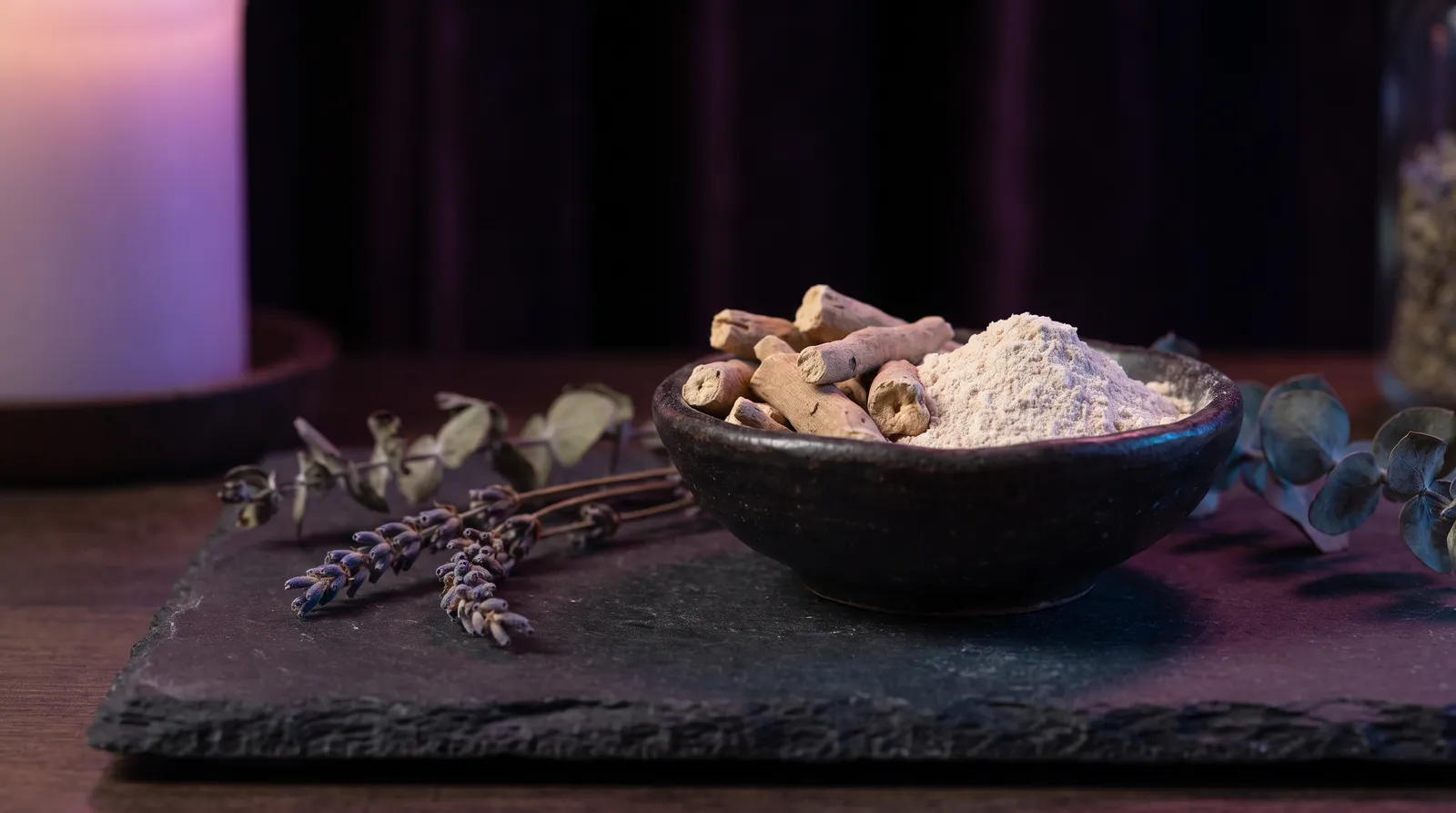
There's a bodega near my apartment that sells ashwagandha gummies at the register, between the lighters and the lotto tickets. That's how you know an herb has made it. It's in sleep teas, stress powders, protein blends, and approximately every wellness influencer's morning routine, usually with the word 'cortisol' doing a lot of unpaid promotional work. So let's do the thing this column does: ignore the marketing, read the actual trials, and figure out what this root does and doesn't deserve credit for.
What ashwagandha is
Ashwagandha, Withania somnifera if you're fancy, is a shrub whose root has been used in Ayurvedic practice for centuries, traditionally as a general tonic. The modern sales pitch calls it an 'adaptogen,' a word that means 'helps your body adapt to stress' and that, I'll note, is a marketing category, not a regulated or precisely defined scientific one. None of that makes the plant useless. It just means the burden of proof sits where it always sits: on the clinical trials.
The trial everyone cites
The study you'll see quoted most often is a 2019 randomized controlled trial by Adrian Lopresti and colleagues, published in the journal Medicine. Sixty stressed but otherwise healthy adults took either a standardized ashwagandha extract or a placebo for 60 days, double-blind, meaning neither participants nor researchers knew who got what. The ashwagandha group reported greater reductions in anxiety and stress measures than the placebo group, and showed a larger drop in morning cortisol. That's a real result from a real design, and it's why ashwagandha gets taken more seriously than most of the supplement aisle.
Now the fine print, because there's always fine print. Sixty people is small. Sixty days is short. The effects, while statistically significant, were moderate rather than dramatic; this was 'the stressed group felt meaningfully less stressed,' not 'participants achieved inner peace.' And across the ashwagandha literature generally, trials are often small, run for weeks rather than years, and frequently funded or supplied by supplement manufacturers. That doesn't automatically invalidate them, but it's the kind of thing a careful reader keeps one eyebrow raised about.
In supplement research, 'promising' is a word doing a lot of heavy lifting.
The extract problem
Here's the part the gummy jar won't tell you: 'ashwagandha' is not one thing. Trials use specific standardized extracts at specific doses, often in the range of a few hundred milligrams of concentrated extract per day. The product at the bodega may use a different extract, a different concentration, or a dose that's decorative rather than functional. Supplements also aren't held to pharmaceutical quality control, so the distance between the thing that was studied and the thing in your cart can be substantial. If the research is the reason you're buying, the extract and dose on the label should match the research.
Safety, briefly and humbly
In the short trials we have, ashwagandha was generally well tolerated, with side effects similar to placebo for most people. But short trials can't tell you much about long-term use, and herbs are not inert: anything strong enough to move your cortisol is strong enough to interact with other things. If you're pregnant, have a thyroid condition, or take any medication, this is a conversation with a professional, not a checkout-line impulse buy. I'm a writer with a search bar, not a clinician, and this is exactly the kind of decision that deserves better than either.
The boring stuff still wins
Here's my actual issue with the ashwagandha moment, and it's not the root's fault. A supplement with a moderate effect in 60-day trials cannot out-argue five hours of sleep, six coffees, and a phone that lives in your hand until 1 a.m. The unglamorous interventions still own the leaderboard: consistent sleep, morning light, actual breaks, and a nervous system you occasionally downshift on purpose. A few slow minutes of breathing costs nothing; I'm partial to running the 4-7-8 exercise in Feelsy with some slow texture drifting behind it, which reliably does more for my 11 p.m. shoulders than anything I've ever bought at the register. If the basics are in place and you want to test ashwagandha on top, that's a reasonable experiment. If the basics aren't in place, the gummy is a rounding error.
If you're going to try it anyway
- Pick a product that names a standardized extract and a dose in the range the trials actually used, rather than a vague 'proprietary blend.'
- Look for third-party testing, since supplement labels are closer to suggestions than guarantees.
- Change one variable at a time and give it several weeks, because the trials that found effects ran for about two months.
- Track something concrete, like how you rate your stress each evening, so you're not grading the experiment on vibes.
- Clear it with a professional first if you're pregnant, have a medical condition, or take medication.
Verdict: ashwagandha is one of the few register-adjacent supplements with legitimate randomized evidence behind it, and that evidence points to a modest, real effect on stress for some people over a couple of months. It is not a cortisol delete button, it is not a personality transplant, and it is not a substitute for sleep. As usual, the most honest sentence in wellness is the least marketable one: it might help somewhat, the basics help more.
Feelsy is a wellness product, not medical advice. If stress, anxiety or sleep problems persist, please speak with a qualified professional.
References
- Lopresti, A. L., Smith, S. J., Malvi, H., & Kodgule, R. (2019). An investigation into the stress-relieving and pharmacological actions of an ashwagandha (Withania somnifera) extract: A randomized, double-blind, placebo-controlled study. Medicine, 98(37), e17186.
Frequently Asked Questions
Does ashwagandha actually work for stress?
There is real evidence it can help modestly. In a 2019 randomized, double-blind trial, stressed adults who took a standardized ashwagandha extract for 60 days reported larger reductions in stress and anxiety than a placebo group, along with a bigger drop in morning cortisol. The effects were moderate, and the trial was small and short, so it's promising rather than proven.
How long does ashwagandha take to work?
The trials that found benefits ran for about 60 days, so think in weeks, not days. If you try it, keep the rest of your routine stable, give it several weeks, and track your stress ratings each evening so you can judge the result on something more solid than vibes.
Is ashwagandha safe to take?
In short clinical trials it was generally well tolerated, with side effects similar to placebo for most people. But short trials say little about long-term use, and anything strong enough to affect cortisol can interact with other things. If you're pregnant, have a thyroid or other medical condition, or take medication, talk to a professional before trying it.
What should I look for when buying ashwagandha?
Match the research: a named, standardized extract at a dose in the range the trials used, not a vague proprietary blend. Look for third-party testing, since supplements aren't held to pharmaceutical quality control, and the product in the store can differ substantially from the extract that was actually studied.

About the author
Contributing writer
Kurt is a New York based writer covering the practical science of stress, sleep and focus. He is the resident sceptic of the Journal: if a technique cannot survive a crowded subway commute and a deadline week, he is not interested in it.
Feel it for yourself.
Feelsy turns reading about calm into practising it. Two minutes of a slow texture is often the whole difference.


Related reading
 Sleep
Does Melatonin Actually Work? What the Science Says
Melatonin is everywhere, but does it actually work? Here's what meta-analyses show about the famous sleep supplement, and when it helps or doesn't.
 Sleep
Magnesium for Sleep: What the Evidence Actually Says
Magnesium is the internet's favorite sleep supplement. Here's what the trials actually found, which forms people use, and what it can't do for you.
 Breath & Body
How to Lower Cortisol: What Actually Works
Cortisol isn't the enemy, chronic elevation is. Here's what research says actually lowers stress hormones, and which viral cortisol fixes you can skip.
 Breath & Body
Time Blocking: The Calendar Trick That Makes Your To-Do List Tell the Truth
Time blocking puts your to-do list on the clock, where it has to be honest about your day. Why the method works, the research behind it, and how to start.
 Breath & Body
The Two-Minute Rule: The Only Productivity Trick I Haven't Quit
The two-minute rule says if a task takes under two minutes, do it now. Why this tiny rule beats fancy systems for procrastination and mental clutter.
 Breath & Body
Why You Work Better Under Pressure (and Why That's Half a Lie)
Deadline pressure really does sharpen focus, and it quietly costs you. The science of arousal, procrastination and borrowing urgency without panic.