The Pomodoro Technique: Why 25 Minutes Beats Willpower
The Pomodoro Technique breaks work into 25-minute sprints with real breaks. Why the tomato timer works, where it fails, and how to fit it to your brain.
By Kurt Woleret
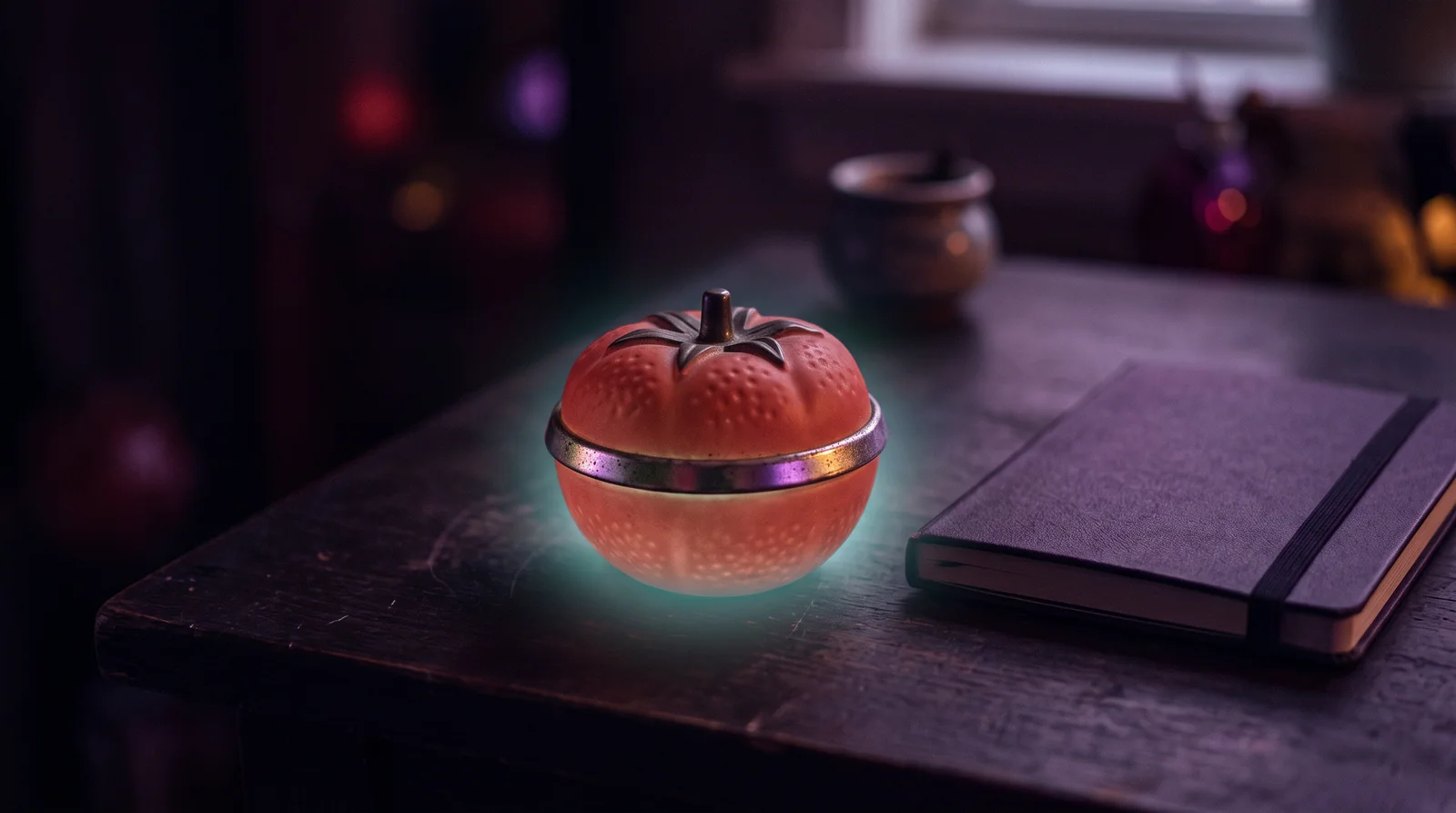
Confession from deadline week: I don't have discipline, I have systems. Left unsupervised, my attention treats every task like a browser with forty tabs. The system that's survived longest in my apartment is embarrassingly low-tech: a timer shaped like a tomato. The Pomodoro Technique, invented by Francesco Cirillo in the late 1980s and named for the tomato-shaped kitchen timer he used as a university student ('pomodoro' is Italian for tomato), is the productivity method that refuses to die. After years of using it, abandoning it, and crawling back, I can report why: it's built on a surprisingly accurate model of how attention actually fails.
The rules, all of them
The whole method fits on an index card:
- Pick one task. Not a category, a task. 'Draft the intro,' not 'work on the report.'
- Set a timer for 25 minutes and work on only that until it rings. The tab quarantine is the hard part, and the point.
- When it rings, stop, even mid-sentence if you can bear it, and take a real 5-minute break away from the task.
- Every four pomodoros, take a longer break, 15 to 30 minutes.
Why 25 minutes beats willpower
Start with the failure mode Pomodoro is built against: the vigilance decrement, the well-documented slide where performance on a sustained task decays the longer you grind at it without interruption. A study at the University of Illinois found something useful about that slide: participants who took two brief breaks during a 50-minute vigilance task showed no decline over time, while the no-break group deteriorated on schedule (Ariga and Lleras, 2011, Cognition). Their interpretation is the interesting part: attention isn't a fuel tank that drains, it's a system that stops registering an unchanging goal, the way you stop hearing your own refrigerator. A brief deactivation and reactivation of the goal, which is exactly what a Pomodoro break is, resets the signal.
The 25-minute sprint also solves a dumber, more important problem: starting. Willpower negotiates. 'Finish the report' is a cliff face, and your brain will find you a hundred reasons not to start climbing. 'Do 25 minutes on the intro' is a staircase step. The deadline-in-miniature recruits a bit of healthy urgency too: work expands to fill the time available, and 25 minutes is a container too small for the expansion to hide in.
Willpower negotiates. A timer doesn't.
Where the tomato fails
Honest accounting, because no method survives contact with every brain. If you do genuinely deep work, the kind where loading the problem into your head takes twenty minutes, a bell at minute 25 can cost you the very state you spent the sprint building; people in that situation tend to do better with 50- or 90-minute containers. Interrupt-driven jobs and meeting-heavy days shred the sequence entirely. And for ADHD brains the report card is mixed in an interesting way: the external structure, the shrunken start, and the guaranteed exit are often exactly right, but the standard durations can be wrong in both directions, 25 minutes being an eternity on a low-dopamine day and an insult in the middle of hyperfocus. The fix in every case is the same: treat 25/5 as a default setting, not doctrine. Cirillo picked the number because that's the timer he owned.
The break is not optional, and your phone is not a break
Here's the part almost everyone gets wrong, me included for years. The five minutes are load-bearing. Skip them and you're just working with extra steps until the decrement catches you. And what you do with them matters. The reflex, checking the phone, isn't rest; it's a second attention task wearing rest's clothes, and you come back to the desk with your alertness already spent on someone else's feed. The breaks that actually restore are low-information and physical. Stand up, refill the water, look out a window at something far away. My own five-minute slot is usually a Feelsy texture running with autoplay on, slime folding, orbs drifting, something my eyes can rest on that asks nothing back, occasionally with a single round of the 4-7-8 exercise if the sprint left my shoulders somewhere around my ears. The bar for a good break is simple: it should make the next start easier, not harder to come back from.
Making it yours
Run a real trial: a week of honest pomodoros, counting completions, adjusting the lengths as data comes in. Stack it with what already works; a tomato pairs unreasonably well with body doubling, one timer shared by two silent people. Keep a scrap of paper beside you and park stray thoughts on it mid-sprint instead of following them. And let the streak stay humble. Four good pomodoros is a genuinely productive morning, whatever the productivity influencers claim from inside their twelve-sprint fantasy. The tomato's actual lesson isn't that you should work more. It's that attention is a rhythm, not a resource, and respecting the rest beat is what keeps the work beat honest.
Feelsy is a wellness product, not medical advice. If stress, anxiety or sleep problems persist, please speak with a qualified professional.
References
- Ariga, A., & Lleras, A. (2011). Brief and rare mental 'breaks' keep you focused: Deactivation and reactivation of task goals preempt vigilance decrements. Cognition, 118(3), 439-443.
Frequently Asked Questions
What is the Pomodoro Technique?
The Pomodoro Technique, invented by Francesco Cirillo in the late 1980s and named after his tomato-shaped kitchen timer, breaks work into focused sprints. You pick one specific task, set a timer for 25 minutes and work only on that task until it rings, then take a real 5-minute break, and after every four sprints you take a longer break of 15 to 30 minutes.
Why do 25-minute work sprints work better than just trying to power through?
The technique targets the vigilance decrement, a well-documented decline in performance the longer you work on a task without interruption. A study found that participants who took two brief breaks during a 50-minute task showed no decline over time, while a no-break group deteriorated on schedule, suggesting attention fails not from running out of fuel but from no longer registering an unchanging goal (Ariga and Lleras, 2011).
Is the Pomodoro Technique good for people with ADHD?
It's mixed but often useful. The external structure, small starting step, and guaranteed exit point tend to work well, but the standard 25-minute duration can be wrong in either direction, feeling like an eternity on a low-dopamine day or an unwelcome interruption in the middle of hyperfocus. The article suggests treating 25 and 5 minutes as a default rather than a fixed rule.
What should I actually do during my Pomodoro break?
The five-minute break is load-bearing and shouldn't be skipped, but checking your phone doesn't count as rest since it's really a second attention task. Better options are low-information and physical, like standing up, refilling water, or looking out a window at something far away, since a good break should make the next work sprint easier to start.
Does the Pomodoro Technique work for deep, complex work?
Not always. If a task requires loading a complex problem into your head, which can take twenty minutes on its own, a bell at minute 25 can interrupt the very focused state you just built, and people doing that kind of work often do better with 50- or 90-minute blocks instead. Interrupt-heavy or meeting-packed days can also break the sequence entirely.

About the author
Contributing writer
Kurt is a New York based writer covering the practical science of stress, sleep and focus. He is the resident sceptic of the Journal: if a technique cannot survive a crowded subway commute and a deadline week, he is not interested in it.
Feel it for yourself.
Feelsy turns reading about calm into practising it. Two minutes of a slow texture is often the whole difference.


Related reading
 Breath & Body
Body Doubling: Why Working Next to Someone Helps You Focus
Body doubling is the focus trick where a silent partner nearby gets your work done. Here's what body doubling is, why it works, and how to do it right.
 Breath & Body
Fidgeting Isn't a Bad Habit: The Case for Stimming
Fidget toys, foot-tapping, doodling: focus problem or focus tool? What research on ADHD hyperactivity and stimming actually says about the wisdom of restless hands.
 Visual Meditation
The Five-Minute Reset: How to Calm Down When There's No Time
You don't need an hour of meditation to come down from a spike of stress. Research-backed ways to reset your nervous system in five minutes or less.
 Breath & BodyNew
Do Cold Showers Actually Work? A Skeptic Reads the Evidence
Cold showers are pitched as a cure for everything from low energy to weak character. Here's what the actual research says, and how to try one without the cult.
 Breath & BodyNew
Dopamine Detox: What It Gets Right and What It Gets Wrong
Dopamine detox promises a factory reset for your distracted brain. Here's what the neuroscience actually says, what helps, and what's just rebranded boredom.
 Breath & Body
How to Stop Overthinking: Quieting a Mind That Will Not Move On
Why overthinking loops and how to interrupt it: what rumination research shows, why you cannot argue with a spiral, and gentler ways to change the channel.