Fidgeting Isn't a Bad Habit: The Case for Stimming
Fidget toys, foot-tapping, doodling: focus problem or focus tool? What research on ADHD hyperactivity and stimming actually says about the wisdom of restless hands.
By Kurt Woleret
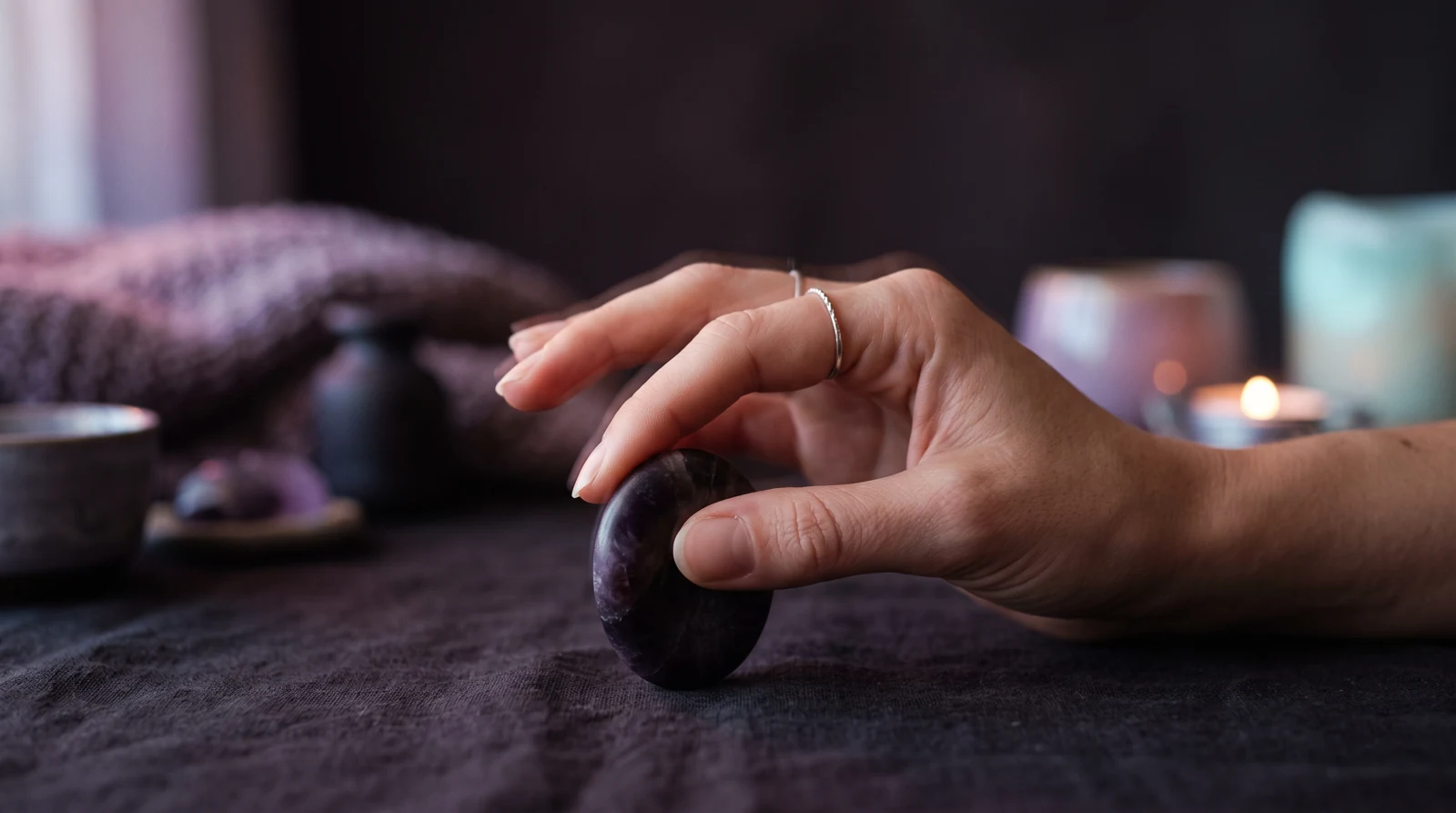
I click pens. I bounce my knee under the desk hard enough to register on the seismographs. In grade school a teacher taped a sign to my desk that said STILL HANDS, and reader, my hands were not still, they were just quietly miserable about it. So I have a personal stake in this question: is fidgeting a bad habit you should break, or a tool you should stop apologizing for? The research has gotten a lot more interesting than that sign on my desk suggested, and it mostly lands on the side of my knee.
First, what we're actually talking about
Two words get thrown around here. Fidgeting is the small restless stuff most people do: tapping, clicking, bouncing, twirling a pen, playing with a ring. Stimming, short for self-stimulatory behavior, is the same family of repetitive movement, a term that comes from the autism and ADHD communities and covers everything from finger-flicking to rocking to humming. The line between them is blurry and mostly about degree and context. Under the hood it's one idea: the body reaching for repetitive movement to manage its own internal state. Which, once you say it plainly, doesn't sound like a defect. It sounds like regulation.
The finding that reframes fidgeting
For years the assumption was that a fidgeting kid is a distracted kid, and the fix is to hold still. Then researchers actually measured it. In a study of boys with ADHD, kids wore motion sensors while doing tasks that loaded up working memory, the mental scratchpad you use to hold and juggle information. The result flipped the script: the children moved significantly more precisely when the task was hardest, and, crucially, more movement during those demanding tasks was associated with better performance, not worse (Sarver et al., 2015, Journal of Abnormal Child Psychology). The wriggling wasn't the attention leaking out. It looked a lot like the engine the kids were using to hold attention in.
That's a big deal, because it recasts hyperactivity, at least some of it, as a compensatory strategy rather than pure noise. The movement may be helping raise arousal to the level the task demands. Tell a kid like that to sit perfectly still and you might be confiscating the very thing keeping them online. My knee, it turns out, may have been doing overtime, not misbehaving.
The wriggling wasn't the attention leaking out. For some kids it was the engine holding it in.
Why movement props up a wandering brain
The leading explanation is about arousal. To focus, your brain needs to sit in a certain zone of alertness: too low and you drift, too high and you're scattered. For some people, especially with ADHD, that zone is hard to hold when a task is dull or demanding. A background stream of movement, a bouncing foot, a rolling object in one hand, seems to nudge arousal up just enough to keep the useful part of the brain in the game. It's a low-effort way to feed a system that would otherwise stall. Think of it less as a distraction and more as revving the engine at a red light so it doesn't stall out.
The other reason stimming matters: it feels good on purpose
Focus is only half of it. When researchers actually asked autistic adults about their stimming instead of just observing it from the outside, the picture that came back was overwhelmingly about self-regulation: participants described it as a soothing, valuable way to manage overwhelming feelings and sensory overload, and pushed back hard on being made to suppress it (Kapp et al., 2019, Autism). The main downside they named wasn't the behavior; it was other people's judgment of it, and the exhausting work of masking it in public. That's worth sitting with. Sometimes the stim is the coping mechanism, and forcing it down just swaps a harmless movement for real distress.
How to fidget on purpose
The move isn't to stim more; it's to stop fighting it and aim it a little. A few things that have worked for me and for people I've compared notes with: pick a quiet fidget for shared spaces, a smooth object or a silent ring you can turn, so you get the movement without becoming the guy clicking a pen in a meeting. Match the fidget to the task, keeping hands busy with something automatic while your eyes and ears do the real work, which is why people doodle through phone calls and retain more, not less. And notice which stims soothe versus which ones ramp you up, because a foot-bounce that steadies you during focus is different from the jittery all-over restlessness that shows up when you're anxious, and the second one is a signal to downshift, not push harder.
That downshift is its own skill, and it's where a slow visual anchor earns its keep. When the restlessness tips from useful into wired, I'll give my eyes something steady and repetitive to rest on instead, a slow texture in Feelsy, cream folding into itself or slime being pressed, with a quiet soundscape underneath. It scratches the same repetitive-input itch the fidget does, just aimed at calming down instead of gearing up. Same instinct, different destination.
Lose the STILL HANDS sign
Here's where I've landed. Fidgeting isn't a character flaw, and stimming isn't something to be trained out of a person for the comfort of onlookers. For a lot of us the restless hands are doing quiet, useful work: holding attention, dialing arousal, taking the edge off a loud environment. The goal isn't stillness for its own sake. It's to work with the instinct, quiet enough not to bother the room, aimed at whatever the moment actually needs. My hands were never the problem. The sign was.
Feelsy is a wellness product, not medical advice. If stress, anxiety or sleep problems persist, please speak with a qualified professional.
References
- Sarver, D. E., Rapport, M. D., Kofler, M. J., Raiker, J. S., & Friedman, L. M. (2015). Hyperactivity in Attention-Deficit/Hyperactivity Disorder (ADHD): Impairing Deficit or Compensatory Behavior? Journal of Abnormal Child Psychology, 43(7), 1219-1232.
- Kapp, S. K., Steward, R., Crane, L., Elliott, D., Elphick, C., Pellicano, E., & Russell, G. (2019). 'People should be allowed to do what they like': Autistic adults' views and experiences of stimming. Autism, 23(7), 1782-1792.
Frequently Asked Questions
Is fidgeting bad for focus or does it actually help?
Research suggests fidgeting can genuinely help focus rather than hurt it. In a study of boys with ADHD, children moved significantly more during tasks that loaded up working memory, and more movement during those demanding tasks was linked to better performance, not worse. The wriggling looked more like an engine helping hold attention than attention leaking out.
What's the difference between fidgeting and stimming?
Fidgeting refers to small restless movements most people do, like tapping, clicking, or bouncing a knee. Stimming, short for self-stimulatory behavior, is a term from the autism and ADHD communities covering a similar family of repetitive movement, from finger-flicking to rocking to humming. The line between them is blurry, but both are the body reaching for repetitive movement to manage its own internal state.
Why does moving your body help you concentrate?
The leading explanation involves arousal: focus requires sitting in a certain zone of alertness, and for some people, especially those with ADHD, that zone is hard to hold during dull or demanding tasks. A steady stream of movement, like a bouncing foot or a rolling object, seems to nudge arousal up just enough to keep the brain engaged, similar to revving an engine at a red light so it doesn't stall.
Should stimming be discouraged or suppressed?
The article argues against suppressing it. When researchers asked autistic adults about their stimming, most described it as a soothing way to manage overwhelming feelings and sensory overload, and pushed back against being made to suppress it. The main downside they reported wasn't the stimming itself but other people's judgment of it and the exhausting effort of masking it in public.

About the author
Contributing writer
Kurt is a New York based writer covering the practical science of stress, sleep and focus. He is the resident sceptic of the Journal: if a technique cannot survive a crowded subway commute and a deadline week, he is not interested in it.
Feel it for yourself.
Feelsy turns reading about calm into practising it. Two minutes of a slow texture is often the whole difference.


Related reading
 Visual Meditation
Meditation for ADHD: What Actually Works
Meditation advice usually assumes a brain that sits still on command. Here's how ADHD brains can actually meditate: open eyes, moving anchors, short sessions.
 Visual Meditation
The Five-Minute Reset: How to Calm Down When There's No Time
You don't need an hour of meditation to come down from a spike of stress. Research-backed ways to reset your nervous system in five minutes or less.
 Breath & Body
Progressive Muscle Relaxation: A Complete Guide
Progressive muscle relaxation releases tension you did not know you were holding. A complete beginner's guide to the tense-and-release technique.
 Breath & BodyNew
Do Cold Showers Actually Work? A Skeptic Reads the Evidence
Cold showers are pitched as a cure for everything from low energy to weak character. Here's what the actual research says, and how to try one without the cult.
 Breath & BodyNew
Dopamine Detox: What It Gets Right and What It Gets Wrong
Dopamine detox promises a factory reset for your distracted brain. Here's what the neuroscience actually says, what helps, and what's just rebranded boredom.
 Breath & Body
How to Stop Overthinking: Quieting a Mind That Will Not Move On
Why overthinking loops and how to interrupt it: what rumination research shows, why you cannot argue with a spiral, and gentler ways to change the channel.