ASMR Mouth Sounds: Why People Love Them (and Why You Might Hate Them)
Mouth sounds are ASMR's most divisive trigger: bliss for some, rage fuel for others. Here's the science of why the same sound splits brains in two.
By Kurt Woleret
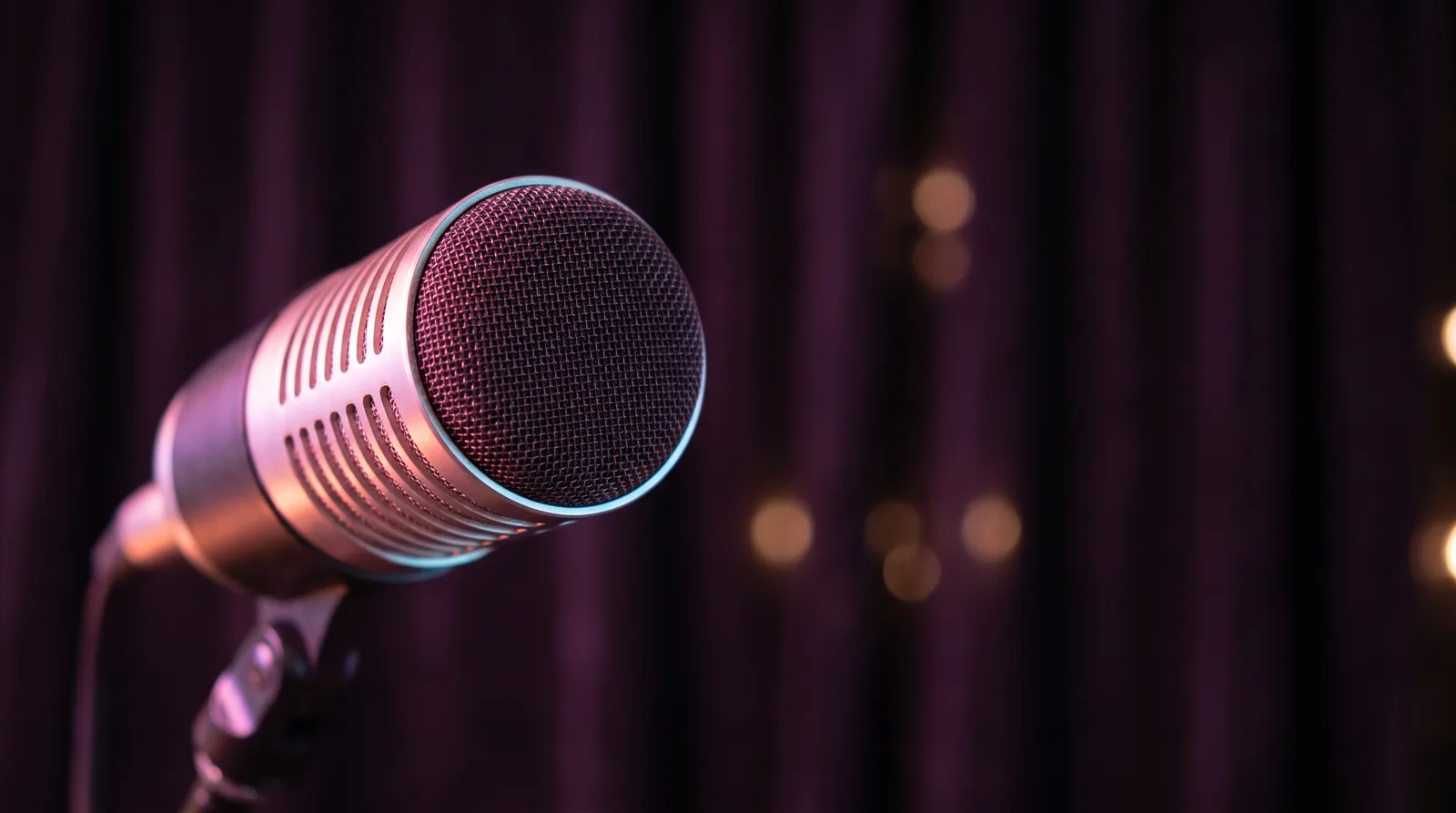
There is no neutral position on ASMR mouth sounds. Mention them in any comment section and you'll watch humanity split cleanly in two: people who describe soft clicks and gentle lip smacks as the most relaxing sound on earth, and people who would rather listen to a car alarm inside an MRI machine. Same audio file, two completely opposite nervous systems. As the resident skeptic here, I find that split more interesting than the trigger itself, because it tells you something real about how hearing works. So let's take it apart.
What counts as mouth sounds
In ASMR land, mouth sounds is a catch-all for the quiet, close-range noises a mouth makes near a sensitive microphone: soft clicks of the tongue, gentle smacking, breathy consonants, the wet articulation you hear inside whispered speech, eating sounds at the extreme end. Creators lean into them because binaural mics pick up detail your ear would only ever catch from someone speaking inches away. And that distance detail, it turns out, is the entire story.
Why fans love them
The first peer-reviewed ASMR study, a survey of around 475 people who experience the tingles, mapped which triggers actually work. Whispering led the field, triggering about 75 percent of respondents, and crisp sounds, the category that includes those close-mic mouth and consonant noises, worked for roughly 64 percent (Barratt and Davis, 2015, PeerJ). The same study found nearly everyone used ASMR to relax or fall asleep. So the fandom isn't a rounding error; for a large share of people who get ASMR at all, this family of sounds is a core trigger.
Why would a lip smack relax anyone? The leading idea is proximity and care. The only time a human voice naturally sounds like that, with every click and breath audible, is when someone is very close to you and being deliberately quiet, and for most of your life that combination has meant safety: a parent at a bedside, a friend leaning in, someone tending to you. The sound is a signal that you're close to a person who is being gentle. ASMR creators are, in effect, performing closeness, and a lot of brains accept the performance and downshift accordingly.
The sound of a quiet mouth up close has meant one thing for your whole life: someone is near, and they're being gentle.
Why haters really, physically hate them
Here's where it gets fun. That same acoustic intimacy is exactly what makes mouth sounds unbearable for the other camp. For many people, eating and mouth noises are a classic misophonia trigger: a strong, fast, involuntary wave of irritation, disgust, or even anger in response to specific ordinary sounds. It's not pickiness and it's not a mood. Misophonia research describes it as the brain tagging certain sounds as threats and firing a genuine fight-or-flight response, which is why the reaction feels less like annoyed and more like get me out of this room.
Notice what's happening: both camps are reacting to the same property of the sound, its inescapable closeness. One nervous system reads that closeness as care; the other reads it as intrusion. The mouth-sound wars aren't a disagreement about taste. They're two different threat-assessment systems returning different verdicts on identical input, automatically, before opinion ever gets a vote. If you're in the hate camp, you can stop feeling bad about it. You didn't choose this, any more than the tingles people chose theirs.
Finding your line
If mouth sounds sit somewhere between meh and mild cringe for you, but you're curious about ASMR's calming effects, there's a whole menu that doesn't involve anyone's lips:
- Search for no talking or tapping only videos; tapping, scratching, and crinkling deliver the crisp-sound category with zero mouth involvement.
- Try visual-first triggers: slow hand movements, pouring, brushing, or the drifting textures in Feelsy, which are built for eyes-first relaxation and sound just as good muted.
- Keep the volume low. Mouth-sound aversion scales hard with loudness and closeness; some fence-sitters find quiet tolerable and loud unbearable.
- If a sound spikes rage rather than mere dislike, respect that. Repeated forced exposure isn't a cure for misophonia; it usually deepens the groove.
I'll admit my own file: whispering, fine. Tapping, great, that's a subway-commute staple with headphones. Deliberate lip smacking directly into a $400 microphone, absolutely not, and I say that as someone who writes about this stuff for a living. I get my wind-down from the visual end of the pool instead, usually one of Feelsy's slow slime textures with the sound off entirely. The tingles crowd can keep the clicks. Everyone gets calm; nobody has to share triggers.
The takeaway
One more note for the fence-sitters: your reaction isn't necessarily permanent or all-or-nothing. Plenty of listeners report tolerating, even enjoying, softer mouth sounds inside a whisper while hating them isolated and amplified, or liking a trigger at night that grates at noon. Context, volume, and your own stress level all move the line. Treat your response as data about today's nervous system, not a lifetime verdict.
Mouth sounds are the clearest demonstration in all of ASMR that a trigger isn't a property of the audio, it's a property of the listener. The same close-range intimacy that flips one brain into deep relaxation flips another into red alert, and neither response is wrong, chosen, or fixable by argument. Find the sounds, or sights, your particular nervous system files under safe, and build your wind-down out of those. There's no prize for forcing it.
Feelsy is a wellness product, not medical advice. If stress, anxiety or sleep problems persist, please speak with a qualified professional.
References
- Barratt, E. L., & Davis, N. J. (2015). Autonomous Sensory Meridian Response (ASMR): a flow-like mental state. PeerJ, 3, e851.
Frequently Asked Questions
Why do people like ASMR mouth sounds?
The leading explanation is proximity and care. A voice only naturally sounds that detailed, with soft clicks and breath audible, when someone is inches away and being deliberately gentle, which the brain associates with safety and personal attention. In the first peer-reviewed ASMR survey, whispering triggered about 75 percent of respondents and crisp sounds, including close-mic mouth noises, about 64 percent.
Why do mouth sounds make me angry?
You're likely describing misophonia, a real and involuntary condition where the brain tags specific ordinary sounds, very often eating and mouth noises, as threats and fires a fight-or-flight response. The reaction is fast, physical, and not a personality flaw. The same acoustic closeness that relaxes ASMR fans reads as intrusion to a misophonic brain.
Can I enjoy ASMR if I hate mouth sounds?
Easily. Mouth sounds are one trigger family among many. Look for no talking or tapping only videos, or lean on visual triggers like slow hand movements and drifting textures, which deliver the relaxation without any mouth audio at all. Many people who dislike mouth sounds respond well to tapping, crinkling, or purely visual ASMR.
Are mouth sounds the most popular ASMR trigger?
Not quite. In the 2015 PeerJ survey of ASMR experiencers, whispering was the most common effective trigger at around 75 percent, with crisp sounds at roughly 64 percent. Mouth sounds overlap both categories, which explains their popularity, but they're also the most commonly hated trigger, thanks to their overlap with misophonia.

About the author
Contributing writer
Kurt is a New York based writer covering the practical science of stress, sleep and focus. He is the resident sceptic of the Journal: if a technique cannot survive a crowded subway commute and a deadline week, he is not interested in it.
Feel it for yourself.
Feelsy turns reading about calm into practising it. Two minutes of a slow texture is often the whole difference.


Related reading
 ASMR
ASMRMisophonia: When Everyday Sounds Make You Furious
Chewing, sniffing, tapping: for some people these sounds trigger real rage, not annoyance. Here's what misophonia actually is, what the research shows, and what helps.
 ASMR
ASMRASMR Triggers: A Field Guide to the Tingles
From whispers and tapping to slime and slow hands: the most common ASMR triggers, how to find yours, and why some people never feel tingles at all.
 ASMR
ASMRWhisper ASMR: Why a Lowered Voice Quiets the Mind
Why whispering is so relaxing: the science behind whisper ASMR, care signals and close attention, and how to use soft-spoken audio for sleep and calm.
 ASMRNew
Why Is Bob Ross So Relaxing? The Science of Happy Little Brushstrokes
Bob Ross has been putting people to sleep for four decades, and he'd take that as a compliment. Here's the science of why his painting videos work like ASMR.
 ASMRNew
What Is 8D Audio? The Science Behind the Spinning Sound
8D audio pans music around your head using binaural tricks. Here's how the illusion works, why it feels immersive, and whether it helps you relax or focus.
 ASMR
ASMRWhy Paint Mixing Videos Are So Satisfying
Why paint mixing videos feel so satisfying: the slow science of swirls and folds, what ASMR research suggests, and how to watch them as a mini meditation.