Ataraxia: The Ancient Greek Art of an Untroubled Mind
Ataraxia is the ancient Greek word for an untroubled mind, prized by Epicureans, Stoics and Sceptics alike. Here is what it means and how they reached it.
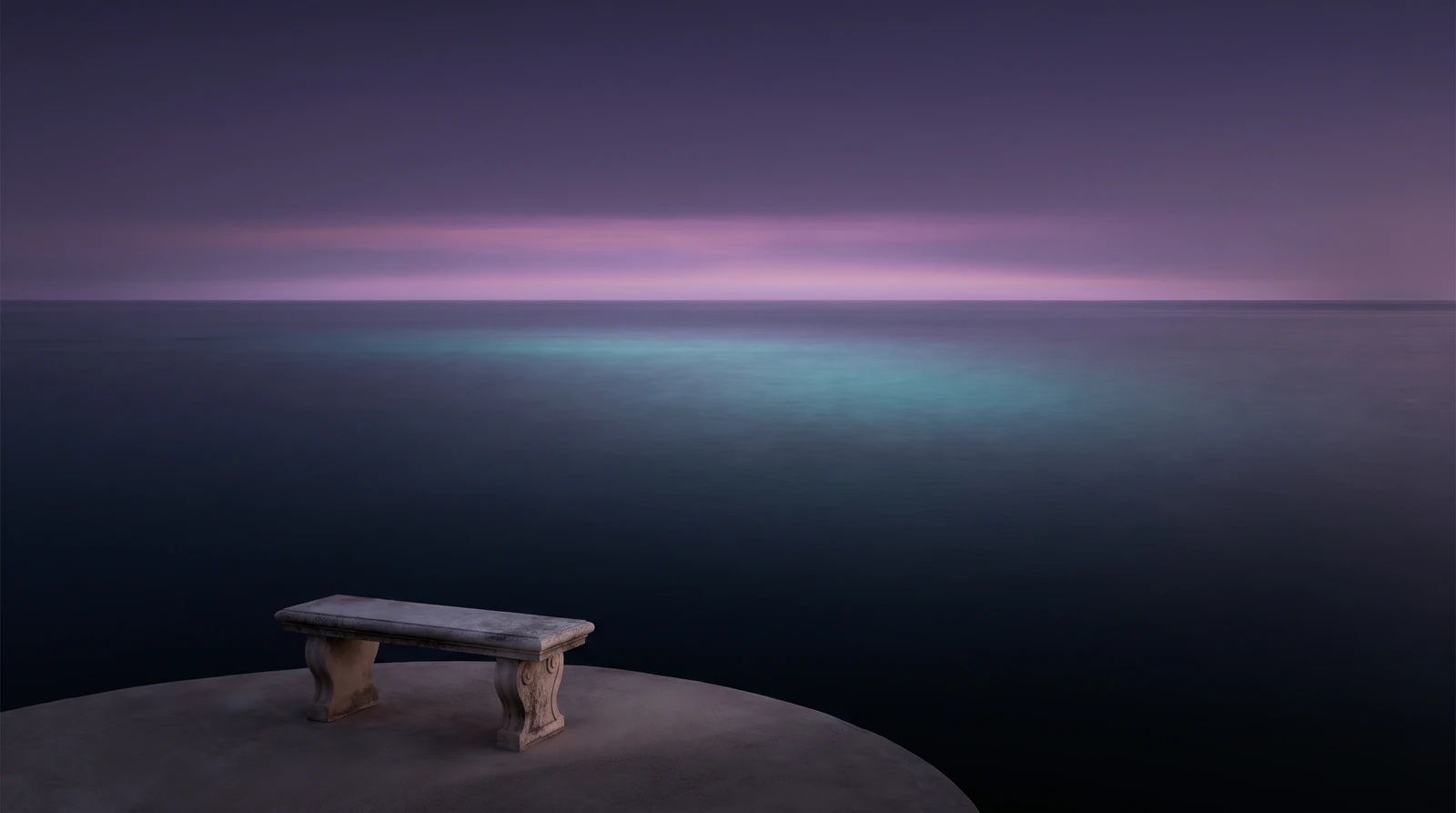
The ancient Greeks, who gave us the word anxiety's oldest cousins, also gave us a word for its opposite. Ataraxia: literally, the state of being untroubled. Not ecstasy, not triumph, not even happiness as we usually imagine it, but something quieter and more durable: a mind like still water, undisturbed by fear of the future or churning over the past. Three rival schools of philosophy, who agreed on almost nothing else, agreed that this was the prize. They merely disagreed, instructively, about how to win it.
That disagreement is worth our attention, because the Greeks were not theorising about a problem we have outgrown. They lived with political chaos, plague, exile and sudden ruin, and they wanted to know how a person might stay inwardly calm in the middle of all of it. Their answers have been field-tested for over two thousand years.
One prize, three paths
For Epicurus, teaching in his garden outside Athens, ataraxia was the very definition of pleasure. This surprises people who know Epicureanism only as a byword for indulgence. In fact Epicurus taught that once pain is absent and the mind untroubled, pleasure is complete; everything beyond that is variation, not improvement. The path to ataraxia was subtraction: trim desires back to the natural and necessary, step away from the scramble for status, keep close friends, and dissolve the great fears, above all the fear of death, through understanding. A mind that wants little and dreads nothing, he argued, is already at rest.
The Stoics took a different road up the same mountain. For them, tranquillity came from a single sharp distinction: some things are up to us, our judgements, choices and responses, and everything else is not. Trouble, they argued, never comes from events themselves but from our opinions about events. Train yourself to meet what happens without demanding it be otherwise, and the weather of fortune passes over a mind that no longer argues with the sky.
The Sceptics, most radically, located the source of distress in belief itself. Pyrrho, their founder, noticed that people are tormented less by things than by their verdicts on things: this is good, that is terrible, this must not happen. His prescription was to suspend judgement where certainty is impossible, which is nearly everywhere, and he observed that tranquillity followed the suspension the way a shadow follows a body. Where we rush to conclude, catastrophise and forecast, the Sceptic practised the art of saying: it appears so, and I do not yet know.
Trouble never comes from events themselves but from our opinions about events.
What the three paths share
Strip away the doctrinal quarrels and the three schools converge on something striking: ataraxia is reached by removal, not acquisition. No school taught that an untroubled mind waits on the far side of wealth, reputation or perfect circumstances. Each identified something to be taken away: excess desire for the Epicureans, misplaced demands for the Stoics, hasty verdicts for the Sceptics. The calm mind, on this view, is not a construction project. It is what remains when the machinery of disturbance is switched off.
Notice too that none of the schools confused ataraxia with numbness. Epicurus savoured cheese and friendship; the Stoics ran empires and armies. The untroubled mind was not a withdrawn mind but a steady one, present to life precisely because it was no longer flinching from it.
Ataraxia in a notification age
It is tempting to say the ancients had it easier, with no inbox and no news cycle, but that is exactly backwards: their world was far more dangerous and far less predictable, which is why they took tranquillity so seriously. What has changed is the economics of disturbance. An Athenian had to walk to the agora to hear alarming opinions; ours arrive on a device that sleeps beside us, carefully ranked by their power to trouble. Every scroll is an invitation to do what Pyrrho warned against: issue instant verdicts on a hundred matters we cannot influence and did not choose.
The old prescriptions translate almost embarrassingly well. Trim inputs back to the natural and necessary. Refuse to pass judgement on every passing headline. Ask, of each worry, whether it concerns something up to you, and if it does not, practise handing it back. These are not life hacks; they are the slow carpentry of a calmer disposition, built one undisturbed evening at a time.
Still water, on purpose
The classical image for ataraxia was the sea in perfect calm, galene, the surface unbroken because the winds have dropped. The image suggests its own practice: the mind settles when you stop stirring it. An evening version might look like this. Put the day's verdicts down. Breathe slowly for a few minutes, perhaps with the 4-7-8 exercise, which gives the judging mind a simple count to hold instead of a case to try. Then rest the eyes on something that moves without meaning anything: a candle, rain on a window, or one of Feelsy's slow drifting textures, which behave very much like still water being gently persuaded back to stillness. Nothing in the scene requires an opinion, and after a while the mind takes the hint.
You will not reach permanent ataraxia by Friday; the Greeks thought it the work of a lifetime, and they were patient people. But the direction can be taken up this evening. Fewer verdicts, fewer demands, fewer desires with your name on them. What remains, the schools promise, is not emptiness but weather: the ordinary day, finally experienced without the storm.
Feelsy is a wellness product, not medical advice. If stress, anxiety or sleep problems persist, please speak with a qualified professional.
Frequently Asked Questions
What does ataraxia mean?
Ataraxia is an ancient Greek word meaning the state of being untroubled: a serene, steady calm of mind undisturbed by fear of the future or churning over the past. The classical image for it was galene, the sea in perfect calm once the winds have dropped. It was prized as the highest goal by the Epicurean, Stoic and Sceptic schools alike.
How did Epicurus say you reach ataraxia?
Epicurus taught that ataraxia is reached by subtraction: trimming desires back to the natural and necessary, stepping away from the scramble for status, keeping close friends, and dissolving great fears, above all the fear of death, through understanding. A mind that wants little and dreads nothing, he argued, is already at rest.
What is the difference between Stoic and Sceptic routes to ataraxia?
The Stoics located disturbance in misplaced demands: trouble comes not from events but from our opinions about events, so tranquillity follows when you stop insisting the world be otherwise. The Sceptics went further and blamed hasty belief itself, practising suspension of judgement where certainty is impossible and finding that calm followed the suspension like a shadow.
Is ataraxia the same as being emotionless?
No. None of the Greek schools confused an untroubled mind with a numb one. Epicurus savoured food and friendship, and the Stoics ran active public lives. Ataraxia describes steadiness rather than withdrawal: being more present to life precisely because the mind is no longer flinching from it.
How can I practise ataraxia today?
Trim your inputs back to what is natural and necessary, refuse to pass instant verdicts on every headline, and ask of each worry whether it concerns something up to you. In the evening, put the day's judgements down, breathe slowly for a few minutes, and rest your eyes on something that moves without meaning anything, such as a candle or rain on a window.

About the author
Contributing writer
Eleonor writes about contemplative traditions, attention and the cultural history of calm. She has spent two decades collecting the rituals humans use to slow down, from zazen halls to hammams, and translating them for modern, screen-lit lives.
Feel it for yourself.
Feelsy turns reading about calm into practising it. Two minutes of a slow texture is often the whole difference.


Related reading
 Ancient Wisdom
Negative Visualisation: The Stoic Habit of Imagining Loss
Negative visualisation, the Stoic practice of briefly imagining losing what you have, sounds grim but works as a gratitude exercise. Here is how to do it well.
 Ancient Wisdom
Amor Fati: The Stoic Art of Loving Your Fate
Amor fati means loving your fate: not resignation but a wholehearted yes to what is. What the Stoics and Nietzsche meant, and how to practise it daily.
 Ancient Wisdom
The Stoic Evening Ritual: How to Close a Day
Seneca reviewed his day every night; Marcus Aurelius wrote himself calm. The Stoic evening practice, why closure beats rumination, and how to run it in ten minutes.
 Ancient WisdomNew
Ma: The Japanese Art of Negative Space
Ma is the Japanese concept of negative space: the pause, the gap, the emptiness that gives everything else meaning. Here is how to invite more of it into a day.
 Ancient Wisdom
Pyt: The Danish Word for Letting the Small Stuff Go
Pyt is the small Danish word Danes say when something minor goes wrong: never mind, let it go. Here is how one syllable carries a whole philosophy of calm.
 Ancient Wisdom
Día de los Muertos: What the Day of the Dead Teaches About Remembering
Día de los Muertos, Mexico's Day of the Dead, is a festival of remembrance, not a Mexican Halloween. Its history, the ofrenda, and why ritual memory calms.