Ma: The Japanese Art of Negative Space
Ma is the Japanese concept of negative space: the pause, the gap, the emptiness that gives everything else meaning. Here is how to invite more of it into a day.
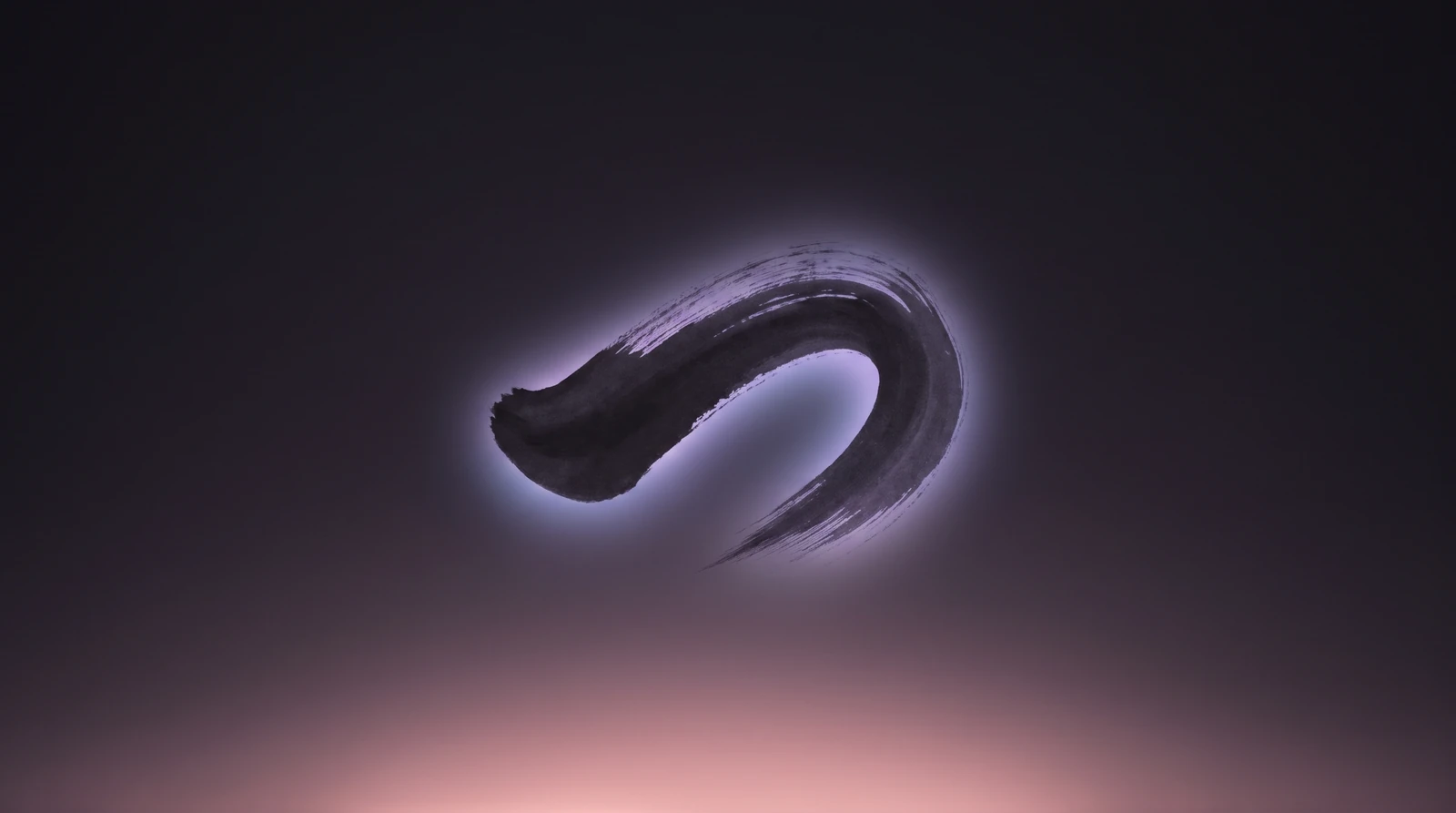
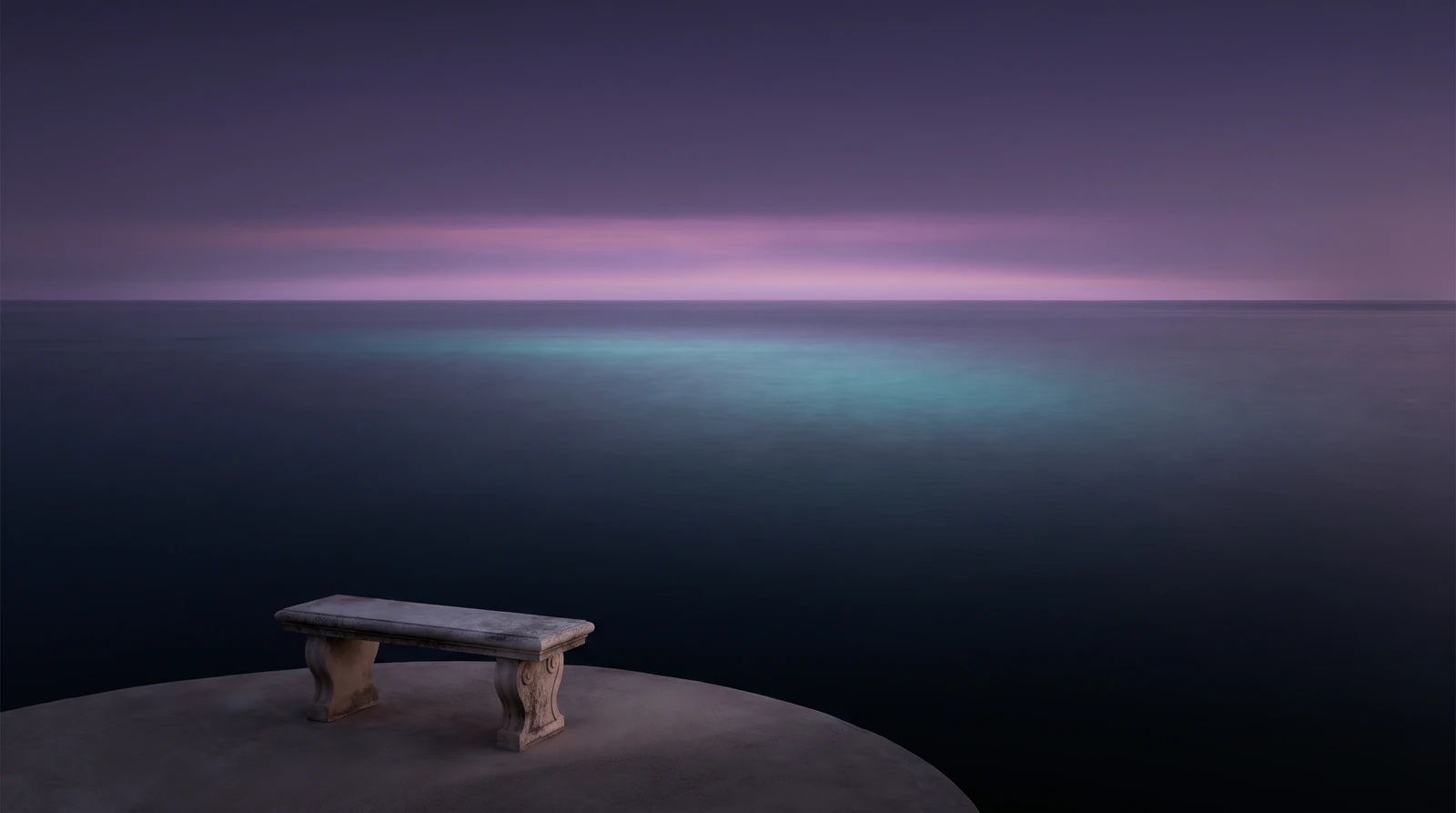
Look at a Japanese ink painting and you will notice, eventually, that you are mostly looking at nothing. A branch, a bird, perhaps a suggestion of mist, and then paper: acres of it, deliberately unmarked. A Western eye, trained to treat empty space as wasted space, tends to read this as restraint. The Japanese tradition reads it as the main event. The emptiness has a name, ma, and it is one of the most quietly useful ideas any culture has produced.
Ma is usually translated as negative space, gap, pause or interval, but none of these quite captures its rank. In Japanese aesthetics, ma is not the absence that remains when the important things have been placed. It is itself a presence: the charged, living space between things, without which the things themselves would have no meaning. The character for ma depicts a gate with the sun shining through the gap in its doors. The gap is not a flaw in the gate. The gap is where the light gets in.
An emptiness that does the work
Once you have the word, you begin to see ma everywhere in Japanese culture. It is the silence between notes in traditional music, held a beat longer than a Western ear expects, so that each sound lands into stillness rather than onto the heels of the last. It is the pause in conversation that is not awkward but respectful, a space in which what has been said is allowed to settle. It is the empty expanse of a rock garden, the bare tokonoma alcove holding a single scroll, the long breath a Noh actor takes before moving. In each case the emptiness is not decoration. It is structural. Remove it and the whole collapses into noise.
The insight underneath is simple and slightly radical: meaning needs room. A word spoken into silence carries further than a word shouted into a crowd of other words. An object on an empty shelf is seen; the same object on a cluttered shelf is merely stored. Ma is the recognition that the space around a thing is part of the thing, and that tending the space is as serious a craft as making the object.
The gap is not a flaw in the gate. The gap is where the light gets in.
Lives with no gaps left
Consider, by contrast, the texture of an ordinary modern day. Meetings scheduled back to back, so that one conversation smears into the next. Messages answered in the gaps where thoughts used to finish themselves. A podcast for the walk, a screen for the queue, a feed for the ninety seconds the kettle takes. None of these things is wicked in itself. The trouble is cumulative: we have engineered a life with no ma in it, a sentence with no spaces between the words, and then we wonder why nothing we do seems to land or settle or mean quite as much as it should.
The exhaustion this produces is distinctive. It is not the tiredness of hard work but the tiredness of unbroken continuity, of a mind that has not been allowed an interval all day. Japanese aesthetics would diagnose the problem instantly: the composition is overcrowded. Nothing needs to be removed from the painting so much as space needs to be restored around what remains.
Practising the pause
Ma is an aesthetic idea, but it translates naturally into practice, because a day, like a painting, is a composition. The practice is not to add anything. It is to protect small emptinesses and let them do their quiet structural work.
- Leave a breath between activities. When one task ends, sit for three slow breaths before beginning the next. The interval tells the mind one chapter has closed.
- Keep one surface empty. A table, a shelf, a corner of a desk. Not minimalism as a lifestyle, simply one place where the eye can rest.
- Let a pause stand in conversation. When someone finishes speaking, wait a beat before replying. What you say next will be better, and they will feel heard.
- Walk one short stretch of the day with nothing in your ears.
- Before sleep, allow a few unfilled minutes: no screen, no plan, just the interval between the day and the night.
None of this requires a temple or a tatami room. Ma is portable. It asks only that you stop treating the gaps in your day as vacancies to be filled and start treating them as the joinery that holds the day together.
A screen with space in it
Even rest, lately, has become crowded: feeds and episodes queue themselves, and the eye is never given an empty corner. This is one reason slow, plotless visuals feel like such an exhale. The drifting textures in Feelsy are, in a sense, compositions made almost entirely of ma: colour and light with generous room around them, nothing arriving, nothing demanded, no next thing. Watching them for a few minutes with autoplay on is a way of lending the mind an empty alcove, a tokonoma for the end of the day. The screen stops being a crowd and becomes a gap.
The space between things
There is a tendency, when meeting an idea like ma, to file it away as something lovely that other cultures do. Resist that. Ma is less a Japanese possession than a Japanese discovery, a truth about perception that holds everywhere: that the pause is part of the music, that the margin is part of the page, that a self with no intervals in it cannot hear its own thoughts. You do not need to make anything today. It may be enough to make room.
Feelsy is a wellness product, not medical advice. If stress, anxiety or sleep problems persist, please speak with a qualified professional.
Frequently Asked Questions
What does ma mean in Japanese?
Ma is a Japanese concept usually translated as negative space, gap, pause or interval. Rather than being mere absence, ma is treated as a living presence: the charged space between things that gives them their meaning. The written character depicts a gate with sunlight shining through the gap in its doors.
Where does the concept of ma appear in Japanese culture?
Ma shapes nearly every traditional Japanese art. It is the silence between notes in music, the respectful pause in conversation, the empty expanse of a rock garden, the bare alcove holding a single scroll, and the long breath a Noh actor takes before moving. In each case the emptiness is structural rather than decorative.
How can I apply ma to everyday life?
Treat your day as a composition and protect small emptinesses within it. Leave three slow breaths between tasks, keep one surface in your home empty, let a pause stand in conversation before replying, walk one stretch of the day with nothing in your ears, and allow a few unfilled minutes before sleep.
Why does negative space feel calming?
Meaning needs room. A word spoken into silence carries further than one shouted among other words, and an object on an empty shelf is seen rather than merely stored. A day with no gaps produces a distinctive tiredness of unbroken continuity, and restoring intervals lets the mind settle in the same way space lets a painting breathe.

About the author
Contributing writer
Eleonor writes about contemplative traditions, attention and the cultural history of calm. She has spent two decades collecting the rituals humans use to slow down, from zazen halls to hammams, and translating them for modern, screen-lit lives.
Feel it for yourself.
Feelsy turns reading about calm into practising it. Two minutes of a slow texture is often the whole difference.


Related reading
 Visual Meditation
Boketto: The Japanese Art of Gazing at Nothing
Boketto is the Japanese word for gazing vacantly into the distance, thinking of nothing. Here is why this idle, gentle habit deserves a place in your day.
 ASMR
The Benefits of Silence: What Happens When the Sound Stops
Silence is not merely the absence of noise; the body treats it as an event in itself. Here is what research says quiet does for the heart and mind.
 Ancient Wisdom
Wabi-Sabi: The Japanese Art of Finding Calm in Imperfection
What wabi-sabi really means: the Japanese aesthetic of imperfect, impermanent beauty, and how its quiet philosophy softens perfectionism and stress.
 Ancient WisdomNew
Ataraxia: The Ancient Greek Art of an Untroubled Mind
Ataraxia is the ancient Greek word for an untroubled mind, prized by Epicureans, Stoics and Sceptics alike. Here is what it means and how they reached it.
 Ancient Wisdom
Negative Visualisation: The Stoic Habit of Imagining Loss
Negative visualisation, the Stoic practice of briefly imagining losing what you have, sounds grim but works as a gratitude exercise. Here is how to do it well.
 Ancient Wisdom
Pyt: The Danish Word for Letting the Small Stuff Go
Pyt is the small Danish word Danes say when something minor goes wrong: never mind, let it go. Here is how one syllable carries a whole philosophy of calm.