Do Cold Showers Actually Work? A Skeptic Reads the Evidence
Cold showers are pitched as a cure for everything from low energy to weak character. Here's what the actual research says, and how to try one without the cult.
By Kurt Woleret
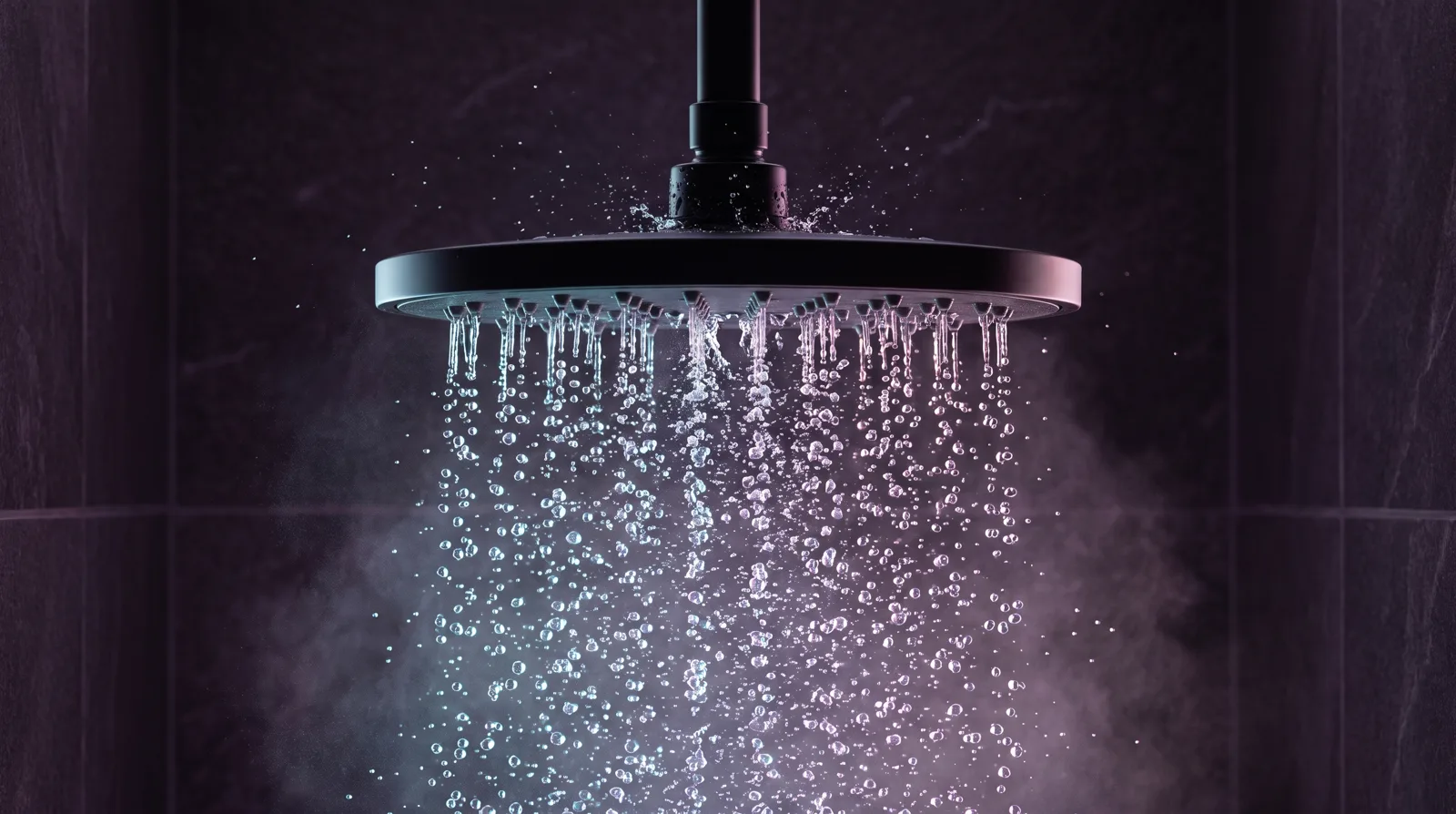
There's a genre of guy, and it is almost always a guy, who wants to tell you about his cold showers. He takes them at 5 a.m. They rewired his brain. They will rewire yours. My building's water heater died for a week last January, so I've done involuntary field research, and I can report that the New York version in midwinter mostly rewired my vocabulary. But strip away the podcast machismo and there's a real question underneath: does ending your shower cold actually do anything measurable? For once, we have a decent answer, because somebody ran the trial.
The one big study everyone should know
In the Netherlands, researchers randomized over 3,000 adults to their regular warm shower or to finishing with 30, 60 or 90 seconds of cold water every day for a month (Buijze et al., 2016, PLoS ONE). The headline result: the cold-shower groups reported 29 percent fewer sickness absence days from work over the follow-up period. The fine print, which the podcasts skip: they didn't actually get sick less often. They reported feeling ill on about as many days; they just went to work anyway. Cold showers didn't upgrade anyone's immune system. They seem to have upgraded people's tolerance for feeling lousy, or their energy, or both.
Two more details worth keeping. The duration didn't matter: 30 seconds performed as well as 90, so the extra minute of suffering buys you nothing but bragging rights. And when asked why they'd continue, the most commonly reported benefit was an increase in perceived energy, which many participants compared to a cup of coffee. Notably, most of the cold group did choose to keep the habit after the trial ended, which tells you something. People rarely volunteer to keep doing something that gives them nothing.
Cold showers didn't make people get sick less. They made people feel like showing up anyway. That's a real effect, just not the advertised one.
What the cold is actually doing
Nobody's confused about the acute effect: sudden cold on your skin is a stressor, and your body responds like one. Sharp inhale, faster heart rate, a jolt of alertness as your stress systems light up. That's the 'alive' feeling the enthusiasts chase, and it's real; it's just arousal, not magic. The interesting part for this site's purposes is what happens around the stressor. The gasp reflex is involuntary, but slow, deliberate exhaling against it is trainable, which is why cold finishers often describe the shower as breath practice with plumbing. You're rehearsing the skill of staying calm inside a stress response, in a situation where the stress is brief, harmless and entirely under your control. The tap is right there. You can always turn it off.
That framing, a controllable stressor you practice relaxing into, is probably the most defensible case for the habit. It's also why the claims tend to inflate: people feel the very real alertness jolt and the very real pride of doing a hard thing, and round it up to biochemistry they haven't measured.
What about the fancier stuff, the ice baths and cold plunges with their own influencer economy? Different animal. Full-body immersion is a much bigger stressor than a shower finish, the research on it is its own contested pile, and the home version costs somewhere between a stock tank and a used car. The shower has one enormous advantage over all of it: you already own one. For the modest, actually-measured benefits we're talking about, 30 seconds under your existing plumbing is the whole entry fee, and the trial data suggests the fancy upgrade path buys you mostly aesthetics.
What cold showers won't do
They won't melt fat off you; brief cold exposure burns trivial extra calories. They won't detox anything, because that's not a thing water temperature does. They won't fix depression or anxiety; the mood claims rest on small studies, anecdotes and hypotheses, not solid trials, and anyone whose mental health plan is a faucet deserves better tools. And they're not for everyone: sudden cold spikes heart rate and blood pressure, so if you have a heart condition, ask a professional before you start plunging. The Wim Hof crowd sometimes talks like cold water is a moral technology. It's a shower. Keep the claims shower-sized.
How to try it without the cult
If you're curious, the evidence-backed version is almost embarrassingly modest:
- Take your normal warm shower. Enjoy it. Warmth is not a character flaw.
- For the last 30 seconds, turn the dial to cold. Cool counts at first; you can work down over a week.
- When the gasp hits, let it happen, then push your exhales long and slow until the panic settles. That's the actual exercise.
- Step out, feel briefly invincible, and resist the urge to found a podcast.
One practical note on placement: because cold is arousing, it belongs at the start of your day, not the end. It's a morning espresso, not an evening chamomile. If what you're after is the wind-down side of the nervous system, the tools run in the opposite direction: warmth, dim light, long exhales. That's the slot where I'd rather hand you a slow Feelsy texture and the 4-7-8 breathing exercise than a bucket of ice. Same nervous system, opposite lever.
Verdict: cold showers are a cheap, legal, mildly unpleasant way to feel more awake and to practice keeping your head during a stress response, with one good trial suggesting people who do them feel well enough to skip fewer workdays. That's not nothing. It's also not enlightenment. It's 30 seconds of cold water, and 30 is all you need.
Feelsy is a wellness product, not medical advice. If stress, anxiety or sleep problems persist, please speak with a qualified professional.
References
- Buijze, G. A., Sierevelt, I. N., van der Heijden, B. C., Dijkgraaf, M. G., & Frings-Dresen, M. H. (2016). The effect of cold showering on health and work: A randomized controlled trial. PLoS ONE, 11(9), e0161749.
Frequently Asked Questions
Do cold showers have proven benefits?
One large randomized trial found that people who ended their daily shower with 30 to 90 seconds of cold water reported 29 percent fewer sickness absence days from work than warm-shower controls. They didn't actually feel ill less often; they felt well enough to show up anyway, and the most commonly reported benefit was an energy boost many compared to coffee. Beyond that, most popular claims remain unproven.
How long should a cold shower be?
About 30 seconds of cold at the end of a normal warm shower. In the main trial on the subject, 30 seconds performed just as well as 60 or 90, so longer exposure added discomfort without measurable extra benefit. You don't need to start fully cold either; cool water works at first, and you can lower the temperature gradually.
Are cold showers good for anxiety or depression?
The evidence isn't there yet. The mood claims rest on small studies, hypotheses and personal anecdotes rather than solid clinical trials. Cold water reliably produces a brief jolt of alertness, and practicing slow exhales against the gasp reflex can be a useful calm-under-stress exercise, but it isn't a treatment. If you're struggling, a qualified professional beats a faucet.
Should I take a cold shower in the morning or at night?
Morning. Cold water is arousing: it spikes heart rate and alertness, which is exactly wrong for bedtime. Think of it as an espresso, not a chamomile. In the evening, the better levers point the other way: warmth, dim light, slow breathing and calm, low-stimulation visuals.
Are cold showers safe for everyone?
Not automatically. Sudden cold exposure raises heart rate and blood pressure, so people with heart conditions or other cardiovascular concerns should check with a professional before starting. For healthy adults, a 30-second cold finish in a home shower, where you control the tap, is a mild and brief stressor.

About the author
Contributing writer
Kurt is a New York based writer covering the practical science of stress, sleep and focus. He is the resident sceptic of the Journal: if a technique cannot survive a crowded subway commute and a deadline week, he is not interested in it.
Feel it for yourself.
Feelsy turns reading about calm into practising it. Two minutes of a slow texture is often the whole difference.


Related reading
 Breath & Body
The Physiological Sigh: A 30-Second Breath That Actually Works
The physiological sigh is a double inhale and long exhale that calms you in under a minute. Here's the science behind it and exactly how to do it right.
 Breath & Body
How to Stimulate Your Vagus Nerve (What's Real, What's Not)
The vagus nerve is the internet's favorite calm switch. Here's what it really does, what actually tones it, and which viral hacks are a waste of your time.
 Ancient Wisdom
The Warm Bath Before Bed: An Old Ritual Science Happens to Agree With
From Roman baths to the Japanese ofuro, cultures have always bathed before rest. Here is why a warm bath before bed helps you sleep, and how to time it.
 Breath & BodyNew
Dopamine Detox: What It Gets Right and What It Gets Wrong
Dopamine detox promises a factory reset for your distracted brain. Here's what the neuroscience actually says, what helps, and what's just rebranded boredom.
 Breath & Body
How to Stop Overthinking: Quieting a Mind That Will Not Move On
Why overthinking loops and how to interrupt it: what rumination research shows, why you cannot argue with a spiral, and gentler ways to change the channel.
 Breath & Body
Löyly: What Finnish Sauna Culture Knows About Rest
Why the Finnish sauna is a ritual of rest rather than a biohack: löyly, silence and the cooling-off, what long-term research found, and how to borrow it.