Understimulation: When Doing Nothing Feels Like Static
Understimulation is the restless, itchy flatness of too little input: common with ADHD and boredom-prone brains. Why it happens and what actually helps.
By Kurt Woleret
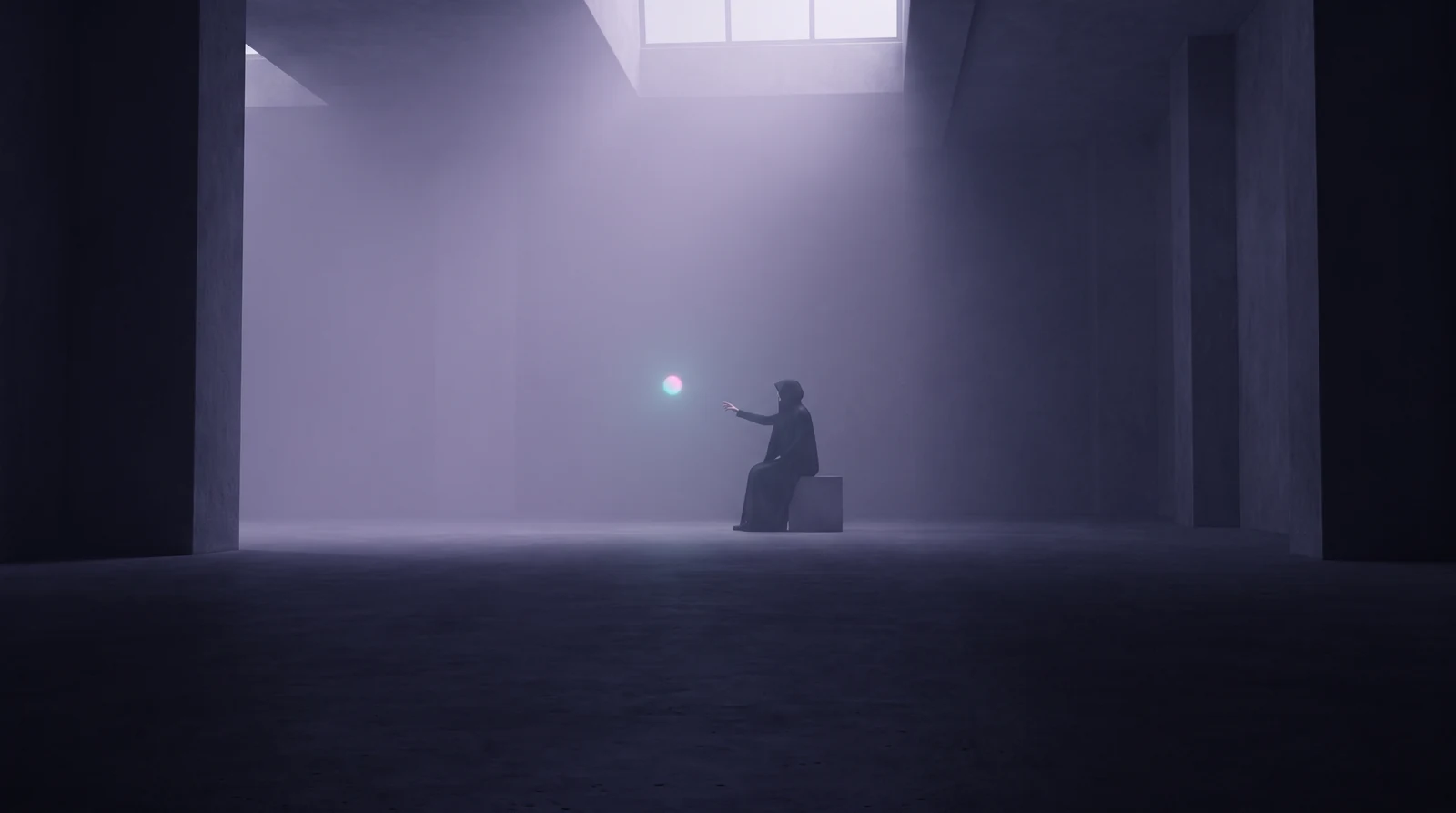
Everyone knows about sensory overload. It gets the press, the infographics, the sympathetic nods. But there's an opposite state that's just as real and far less discussed: the restless, itchy, under-caffeinated-even-after-caffeine flatness of a brain that isn't getting enough input. The afternoon where you open the fridge four times, not hungry. The meeting so slow your skin feels staticky. The scrolling that isn't even fun, you're just dredging for a signal. That's understimulation, and if you've ever described yourself as bored to the point of physical discomfort, you already know it's not a metaphor.
Boredom is not the absence of feeling
The lazy model says boredom is a zero: nothing happening, nothing felt. The evidence says otherwise. In a famous series of studies at the University of Virginia, researchers asked people to sit alone in a plain room with nothing but their thoughts for six to fifteen minutes. Most found it unpleasant. Then the researchers added an option: a button that delivered a mild electric shock. A quarter of the women and two thirds of the men chose to shock themselves rather than just sit there, including one participant who did it 190 times (Wilson et al., 2014, Science). People paid in pain to escape an understimulated state. That's not a zero. That's a brain actively ringing a bell that says get me input.
Which reframes the whole thing. Understimulation isn't laziness or ingratitude for your quiet afternoon. It's an arousal problem: your nervous system has an operating range, and when input falls below it, the system generates discomfort to push you back toward engagement. Restlessness is the error message.
Boredom isn't an empty room in the brain. It's an alarm going off in one.
Why ADHD brains hit this wall harder
Anyone can be understimulated; sit through a long enough compliance training and you'll get there. But people with ADHD tend to live closer to the threshold. A common way researchers describe ADHD is as a difference in how the brain handles dopamine signaling, the chemistry of motivation and reward, which in practice means ordinary-interest tasks often don't generate enough internal signal to hold attention. The result is a brain that needs more or more novel input to reach the same level of engagement, and that suffers more acutely when input runs thin. It's one reason stimulant medication, counterintuitively, calms rather than speeds up: it raises the internal signal so the brain stops scavenging for external stimulation.
This is also why so much classic ADHD behavior is really self-supplied input. Fidgeting, leg bouncing, doodling through meetings, background TV, picking the hard route on the way home. Viewed through the understimulation lens, these aren't attention failures, they're attention maintenance: topping up arousal so the main task can keep running. The research on fidgeting and stimming increasingly supports exactly this reading.
The doomscroll trap
Here's the catch. The modern default fix for understimulation is the phone, and the phone is a bad deal. Feeds offer unpredictable, high-intensity novelty, which is the exact shape of stimulation a hungry brain grabs fastest, and the exact shape that makes the baseline worse. You get spikes instead of a floor. After an hour of scrolling, ordinary life reads as even flatter than before, so the threshold creeps up, and the itch comes back sooner. Not a moral failing, just tolerance mechanics. The problem with the slot machine isn't that it's stimulating. It's that it's the only kind of stimulating it knows how to be.
The better fix is what you might call right-sized stimulation: input that's steady, textured, and low-stakes rather than spiky. Enough signal to quiet the alarm, not so much that it raises the floor. Some reliable options:
- Add a physical channel: a fidget object, kinetic sand, knitting, anything that gives your hands a job while your mind works or rests.
- Add movement: a brisk walk, stairs, a stretch. Arousal tracks the body, and movement is the fastest legitimate way to raise it.
- Add gentle sensory texture: music with some grain to it, an ASMR track, or a slow visual like Feelsy's slime textures, which give the eyes and ears something satisfying to chew on without yanking attention anywhere.
- Make dull tasks heavier: a timer to race, a podcast layered over the dishes. Pairing a flat task with a second channel is often what gets it done.
Respect the signal, redirect the response
The goal isn't to never be bored. Low-stimulation time has real value, and a brain that's always fed never learns to idle, which is its own problem. The goal is to stop treating the restless itch as a defect and start treating it as data: your system is asking for input, and you get to choose the supply. Feed it spikes and it gets hungrier. Feed it texture, movement, and the occasional hard-breathing stair climb, and it settles. I'm the resident skeptic here, so I'll put it as dryly as I can: the people in that Virginia study pressed the shock button because they had nothing better. You have better. Keep it within reach.
Feelsy is a wellness product, not medical advice. If stress, anxiety or sleep problems persist, please speak with a qualified professional.
References
- Wilson, T. D., Reinhard, D. A., Westgate, E. C., et al. (2014). Just think: The challenges of the disengaged mind. Science, 345(6192), 75–77.
Frequently Asked Questions
What is understimulation?
Understimulation is the uncomfortable, restless state of a brain receiving less input than its nervous system wants. It shows up as agitated boredom, fidgeting, aimless snacking or scrolling, and a flat, itchy feeling during slow tasks. It's the opposite of sensory overload: instead of too much signal, there's too little, and the brain generates discomfort to push you toward engagement.
What does understimulation feel like?
People describe it as boredom with a physical edge: restlessness, skin-crawling flatness during slow meetings, opening the fridge without hunger, or scrolling without enjoyment just to find a signal. In one well-known study, many participants chose to give themselves mild electric shocks rather than sit alone with nothing to do, which shows how actively unpleasant the state can be.
Why do people with ADHD get understimulated so easily?
ADHD is commonly described by researchers as a difference in dopamine signaling, the brain chemistry of motivation and reward. Ordinary tasks often generate less internal signal, so an ADHD brain needs more or more novel input to stay engaged and hits the discomfort of understimulation sooner. Behaviors like fidgeting, doodling and background noise are often ways of topping up stimulation so the main task can continue.
How do I deal with understimulation without doomscrolling?
Choose steady, textured input over spiky novelty. Give your hands a job with a fidget object or craft, raise arousal with a brisk walk or stair climb, add gentle sensory texture like grainy music, an ASMR track or a slow visual, and layer a second channel such as a podcast onto flat chores. Feeds deliver unpredictable spikes that raise your stimulation threshold, so the itch returns sooner.
Is being understimulated bad for you?
The state itself is a signal, not a defect: your nervous system asking for more input. Chronically answering it with high-intensity novelty like endless feeds can raise your baseline and make ordinary life feel flatter, while answering it with movement, texture and engaging tasks tends to settle it. Some low-stimulation time is still worth keeping, since a brain that is always fed never learns to idle.

About the author
Contributing writer
Kurt is a New York based writer covering the practical science of stress, sleep and focus. He is the resident sceptic of the Journal: if a technique cannot survive a crowded subway commute and a deadline week, he is not interested in it.
Feel it for yourself.
Feelsy turns reading about calm into practising it. Two minutes of a slow texture is often the whole difference.


Related reading
 Breath & Body
What Is Stimming? The Case for Letting Yourself Fidget
Stimming means repetitive self-soothing movement: rocking, tapping, pen clicking. What it is, why brains do it, and why suppressing it usually backfires.
 Breath & Body
Fidgeting Isn't a Bad Habit: The Case for Stimming
Fidget toys, foot-tapping, doodling: focus problem or focus tool? What research on ADHD hyperactivity and stimming actually says about the wisdom of restless hands.
 Breath & Body
Sensory Overload: Why It Happens and How to Find Quiet
What sensory overload is, why crowded, noisy places can overwhelm the nervous system, and gentle, practical ways to come back when everything is too much.
 Breath & Body
Time Blocking: The Calendar Trick That Makes Your To-Do List Tell the Truth
Time blocking puts your to-do list on the clock, where it has to be honest about your day. Why the method works, the research behind it, and how to start.
 Breath & Body
The Two-Minute Rule: The Only Productivity Trick I Haven't Quit
The two-minute rule says if a task takes under two minutes, do it now. Why this tiny rule beats fancy systems for procrastination and mental clutter.
 Breath & Body
Why You Work Better Under Pressure (and Why That's Half a Lie)
Deadline pressure really does sharpen focus, and it quietly costs you. The science of arousal, procrastination and borrowing urgency without panic.