Why Do You Wake Up With Anxiety? Blame Your Body's Morning Chemistry
Waking up with anxiety isn't a character flaw; it's partly chemistry. Here's how the cortisol awakening response works and what actually calms it down.
By Kurt Woleret
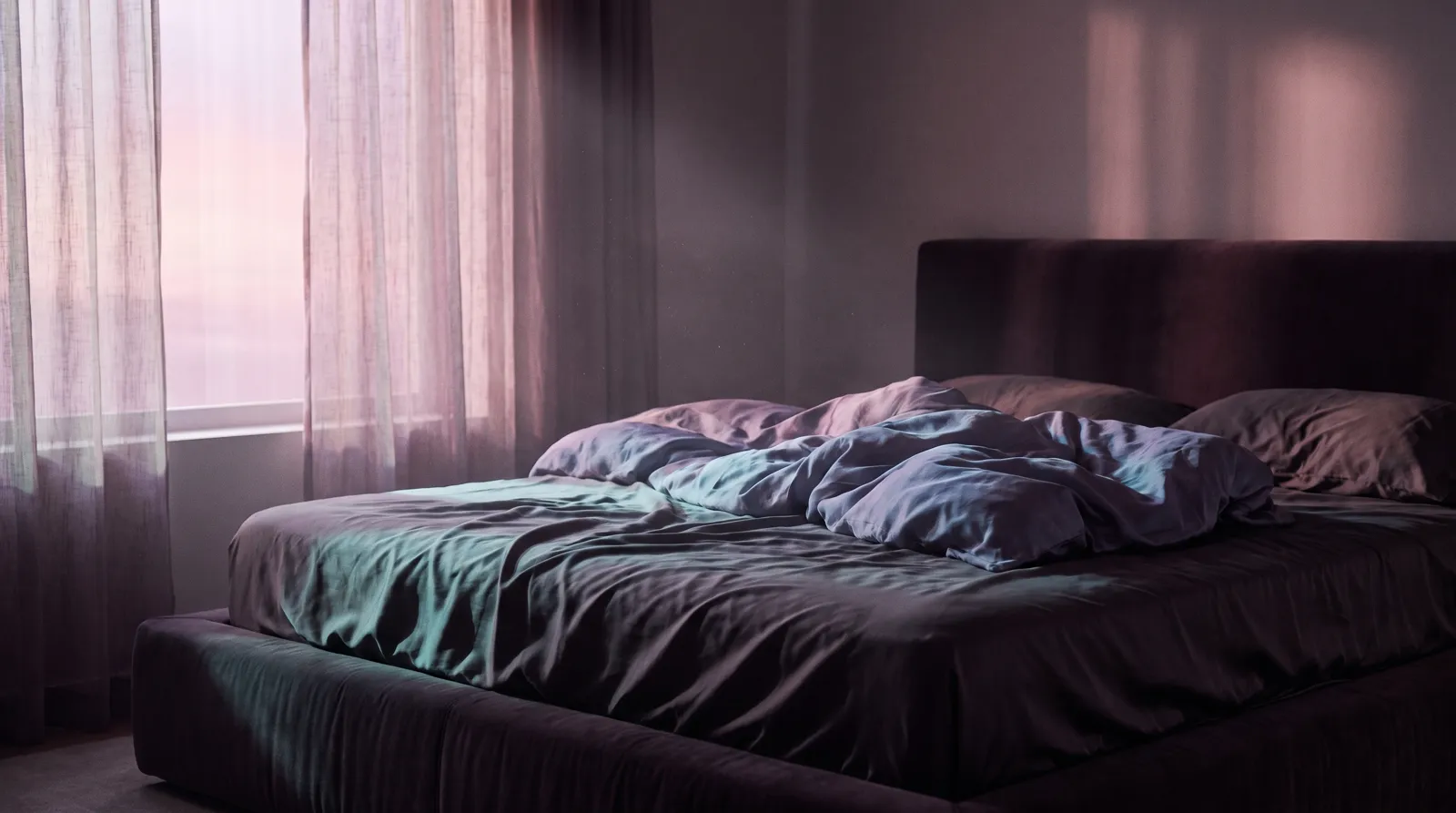
My alarm is set for 7:00. My body prefers 6:38, and it doesn't arrive gently. It arrives like a project manager with a clipboard: heart already thudding, stomach already tight, brain already halfway through a meeting that doesn't exist yet. Nothing bad has happened. I haven't even checked my phone. And yet the dread is sitting on the end of the bed, fully dressed, waiting for me. If your mornings start this way too, here's the part nobody tells you: some of that feeling is scheduled. Your body ships a stress chemical every morning, on purpose, whether or not you have anything to be stressed about.
Meet the cortisol awakening response
Cortisol is your body's main mobilizing hormone, and it doesn't rise smoothly through the day. It has a signature move: within about 30 to 45 minutes of waking, cortisol levels surge sharply, often climbing 50 percent or more above where they were the moment you opened your eyes. Researchers call this the cortisol awakening response, and a widely cited review by Fries and colleagues in the International Journal of Psychophysiology describes it as a distinct piece of the daily rhythm, thought to help the body boot up and face the anticipated demands of the day (Fries et al., 2009). In other words: the jolt is a feature. Evolution wanted you alert enough to leave the cave. It did not anticipate that the first thing you'd face would be forty-seven unread emails.
This is why morning anxiety can feel so unfair. You wake up, your chemistry hands you a shot of mobilization, and your brain, which hates unexplained arousal, goes looking for a reason. A racing heart with no visible tiger needs a story. So the brain grabs whatever's nearest: the presentation, the rent, the text you didn't answer, that thing you said in 2019. The feeling comes first. The content gets attached after. Once you know the order of operations, mornings get a little less convincing.
Why your habits pour gasoline on it
The baseline surge is normal. What most of us do next is not helping. We reach for the phone while still horizontal, which means the news, the feed, and the inbox all land on a nervous system that's already at its daily peak of mobilization. It's like handing an espresso to someone mid panic. Then we add actual espresso, usually on an empty stomach, which layers caffeine's adrenaline nudge on top of the cortisol spike. Then we skip breakfast, sprint to the subway, and wonder why 9 a.m. feels like a crisis. None of these things cause morning anxiety by themselves. They just stack neatly on top of a system that was already running hot.
The night before matters too, more than we like to admit. A short night doesn't just make you tired; it makes the morning surge land on a brain with thinner defenses, so the same spike reads as twice the dread. Alcohol is a repeat offender here: it sedates you into the first half of the night, then leaves you shallow and fragmented in the second half, which is exactly when your body is preparing its morning chemistry. And Sunday nights deserve their own line item. Anticipation sharpens the awakening response; researchers have noted it runs higher on workdays than on free days. Your body literally briefs itself on your calendar. Mine apparently reads it as a threat assessment.
You wake up with a chemical head start on stress. The question is whether your first ten minutes spend it or double it.
What actually helps
You can't cancel the cortisol awakening response, and you wouldn't want to; it's part of how you become a functioning person by mid morning. What you can do is stop feeding it and let it crest and fall on schedule, which it does. A few things that hold up:
- Delay the phone. Give yourself even ten minutes before the feed. The surge peaks and starts declining within the first hour; let it decline before you hand it a reason not to.
- Lengthen your exhale. A few minutes of slow breathing with a long, unhurried breath out nudges the nervous system toward its brake pedal. I use the paced 4-7-8 exercise in Feelsy while the kettle heats; it's the only thing I do before deciding what to do.
- Eat something before, or with, the coffee. Caffeine on an empty stomach at your cortisol peak is a bet against yourself.
- Get light and a little movement. Daylight anchors your body clock, and a short walk gives the mobilization somewhere to go. Even one avenue block counts.
The common thread: your body prepared you for action, so give it mild action and calm input instead of alarming input and no action. A racing system with nothing to chase will chase your thoughts.
When it's more than chemistry
Honesty clause: not all morning dread is a hormone graph. If you're waking with anxiety because your job is genuinely on fire, or your sleep is wrecked, or the dread follows you all day, every day, the morning spike is amplifying something real, and the fix isn't a breathing exercise, it's dealing with the something real, ideally with professional help. The chemistry explains why mornings are the worst hour for worry. It doesn't promise the worry is fake. But for a lot of us, the 6:38 dread is mostly a wave that our habits keep refilling, and the difference between a brutal morning and a manageable one is what we do in the first ten minutes. Let the wave crest. Don't hand it a phone.
Feelsy is a wellness product, not medical advice. If stress, anxiety or sleep problems persist, please speak with a qualified professional.
References
- Fries, E., Dedovic, K., Soliman, N., & Pruessner, J. C. (2009). The cortisol awakening response (CAR): Facts and future directions. International Journal of Psychophysiology, 72(1), 67-73.
Frequently Asked Questions
Why do I wake up with anxiety for no reason?
Part of it is chemistry. Within about 30 to 45 minutes of waking, cortisol surges sharply in what researchers call the cortisol awakening response, a normal daily spike that mobilizes you for the day. Your brain notices the arousal, goes looking for an explanation, and attaches it to whatever worry is nearest, so the feeling often comes before any actual reason.
What is the cortisol awakening response?
It's a sharp rise in the stress hormone cortisol during the first 30 to 45 minutes after waking, often 50 percent or more above waking levels. Researchers describe it as a distinct part of the body's daily rhythm that helps you boot up and meet the day's anticipated demands. It peaks within the first hour and then declines on its own.
How can I calm morning anxiety quickly?
Don't fight the spike; stop feeding it. Delay your phone for at least ten minutes, do a few minutes of slow breathing with a long exhale, eat something before or with your coffee, and get daylight and light movement early. The surge crests and falls within about an hour if you give it calm input instead of alarming input.
Is it bad to check my phone right after waking up?
If you wake up anxious, it usually makes things worse. Your phone delivers news, email, and social feeds onto a nervous system that's at its daily peak of mobilization, giving the arousal a story to attach to. Waiting even ten minutes lets the cortisol spike start declining before you load it with input.
When is morning anxiety a sign of something more serious?
If the dread follows you all day, happens nearly every day, or is tied to real ongoing problems with work, sleep, or health, the morning spike is amplifying something that deserves attention on its own. In that case habits help but aren't the fix, and it's worth talking with a qualified professional.

About the author
Contributing writer
Kurt is a New York based writer covering the practical science of stress, sleep and focus. He is the resident sceptic of the Journal: if a technique cannot survive a crowded subway commute and a deadline week, he is not interested in it.
Feel it for yourself.
Feelsy turns reading about calm into practising it. Two minutes of a slow texture is often the whole difference.


Related reading
 Sleep
SleepWhy Anxiety Feels Worse at Night (and What Actually Helps)
Why is anxiety worse at night? How hormones, darkness and an undistracted mind amplify worry after dark, and the gentle evening practices that help.
 Breath & Body
The Physiological Sigh: A 30-Second Breath That Actually Works
The physiological sigh is a double inhale and long exhale that calms you in under a minute. Here's the science behind it and exactly how to do it right.
 Breath & Body
The Slow Morning Ritual: How to Start Your Day Without Rushing
A slow morning is not a long one. How a few unhurried minutes of warmth, breath and quiet before the scroll can change the shape of your entire day.
 SleepNew
Is Bed Rotting Bad for You? What Sleep Science Actually Says
Bed rotting feels like self-care until your bed stops meaning sleep. Here's what stimulus control research says, and how to rest without ruining your nights.
 SleepNew
Why You Get a Second Wind Right Before Bed
Exhausted all evening, wide awake at 11pm? That burst of energy before bed is your brain's wake maintenance zone. Here's the science and how to beat it.
 Sleep
SleepWhy You Wake Up Right Before Your Alarm Goes Off
Waking up minutes before your alarm isn't spooky. Your body clock predicts the morning and preps you in advance. Here's the science of pre-alarm waking.