ASMR Apps vs Meditation Apps: Which Actually Calms You Down?
One trains your attention like a gym. The other triggers your senses like a warm bath. Picking wrong is why so many calm apps get deleted.
By Tomás Rivera

TL;DR
- Two different mechanisms, not two brands of the same thing. Meditation apps train attention: you practice a skill and calm follows. ASMR apps trigger the senses: calm arrives without practice, while it plays.
- Meditation compounds like exercise; ASMR works like a warm bath, immediate but not cumulative in the same way.
- Neither is superior. The right question is what fails for you: if discipline fails, sensory wins; if you want lasting change, training wins.
- Plenty of people should use both, and we say below exactly how they stack.
The real difference: training vs. triggering
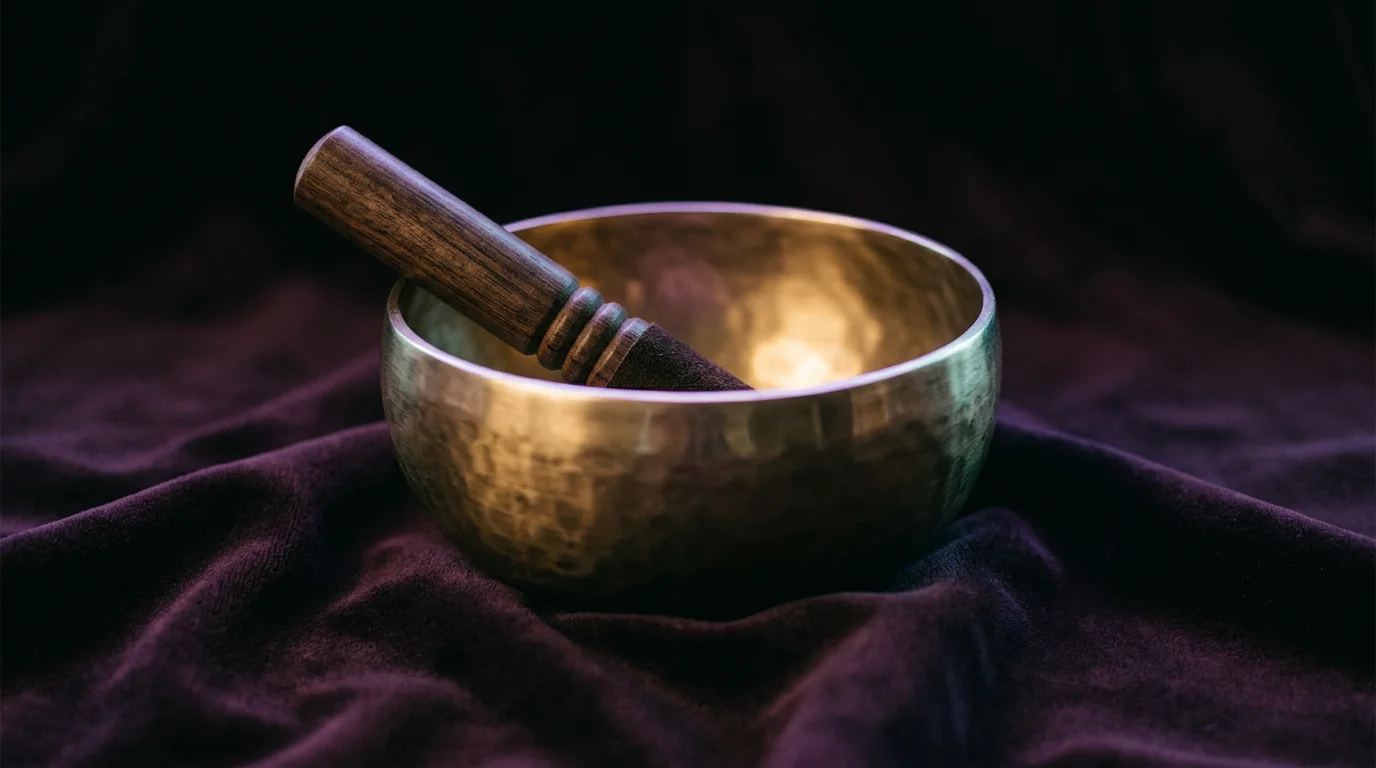
A meditation app like Headspace or Calm is a gym for attention. You practice noticing the breath, losing it, returning; the repetitions build a skill, and the research on app-based mindfulness shows measurable improvements in stress and mood from brief daily use. The cost is the cost of any training: it works if you do it, and most people quietly stop.
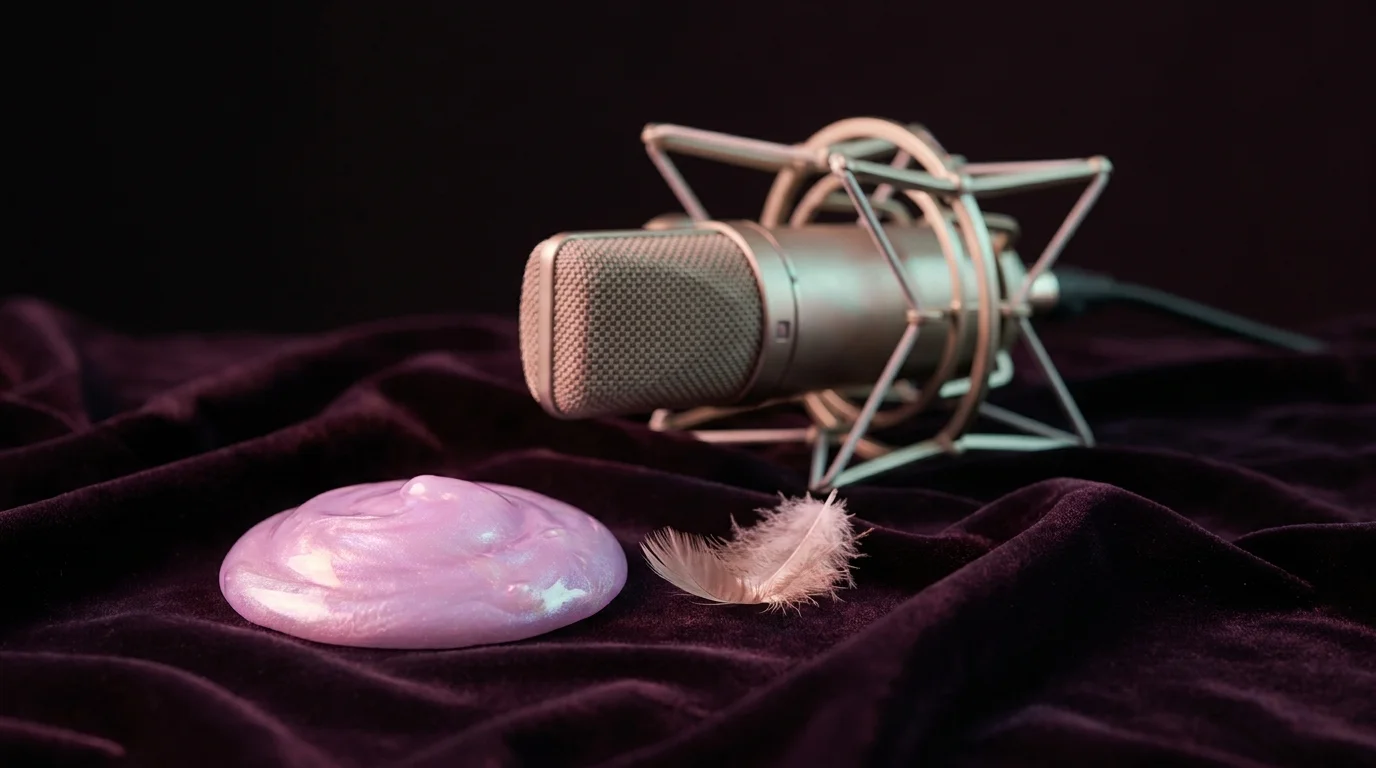
An ASMR app works on the other side of the nervous system. Soft sounds, slow visuals and gentle triggers produce a relaxation response directly; the landmark ASMR study found reliable heart-rate reductions in people who experience it, comparable to established stress-reduction techniques. No skill, no streak, no practice. The cost is the mirror image: the calm arrives while the stimulus plays, and it does not teach you to find it alone on a crowded train. The mechanism is unpacked in ASMR, Explained.
When each one is the right tool
Reach for a meditation app when you want a durable skill, when you have the patience for a course, or when your goal is long-term change in how you relate to stress. The best structured options are compared in Calm vs Headspace.
Reach for an ASMR or sensory app when audio instruction has repeatedly failed you, when you need to downshift in the next five minutes rather than after a ten-day course, or when your mind needs something to rest on, not something to obey. The eyes-open version of this argument is What Is Visual Meditation?, and the honest tour of the ASMR options, ours included, is The 7 Best ASMR Apps.
Side by side
| Meditation apps | ASMR & sensory apps | |
|---|---|---|
| How it works | Trains attention through practice | Triggers relaxation through the senses |
| Time to effect | Weeks of practice for durable change | Minutes, while it plays |
| Effort required | Real: showing up daily is the practice | Minimal: press play, touch, listen |
| Lasting skill | Yes, transfers off-app | Limited; the stimulus does the work |
| Fails when | Discipline runs out, guilt sets in | You need calm with no phone in reach |
| Science base | App-based mindfulness trials show stress and mood improvements | ASMR studies show heart-rate reduction in experiencers |
| Typical apps | Headspace, Calm, Balance, Insight Timer | Feelsy (ours), TeasEar, Loóna |
Can you stack them? Yes, and it works well
The combination is underrated: sensory calm as the on-ramp, training as the destination. A common pattern among our own users: an ASMR or texture session to down-regulate first, then a short breathing or meditation practice while the nervous system is already quiet. Meditation teachers have a version of this too; a warm-up makes the sit easier. Disclosure where it belongs: Feelsy is our app and it is built exactly on this bridge, sensory-first with short breathing practices inside, so we are not neutral about the stack. The apps that teach best, we named above, and they are not ours.
Frequently Asked Questions
Is ASMR a form of meditation?
Not in the traditional sense. Meditation trains attention deliberately; ASMR triggers relaxation passively. They overlap in outcome, not mechanism.
Is ASMR or meditation better for anxiety?
For in-the-moment relief, sensory approaches act faster. For long-term resilience, trained practices have the stronger evidence base. Many people use both; severe anxiety belongs with a professional either way.
Do ASMR apps work if I don't get tingles?
Often yes, as general relaxation. A meaningful share of people never experience tingles and still find the content relaxing.
Which should I try first?
Whichever failure mode sounds familiar. Quit three meditation apps? Start sensory. Feel great during ASMR but nothing changes? Add training.

About the author
Apps & Comparisons
Tomás reviews calm, sleep and meditation apps the way a friend would: he pays for the subscriptions, sets a timer, and reports what actually happened. He believes an honest comparison is more calming than a perfect score, and he has the spreadsheet of cancelled free trials to prove it.
Feel it for yourself.
Feelsy turns reading about calm into practising it. Two minutes of a slow texture is often the whole difference.


Related reading
 Comparisons
The 7 Best ASMR Apps in 2026 (Tested Honestly, Ours Included)
An honest ranking has to start by admitting where the most ASMR lives: YouTube, free. Here is what apps genuinely add, and which ones earn a home screen spot.
 Comparisons
Calm vs Headspace: An Honest Comparison
The two giants of calm are built on different bets: a beautiful library versus a patient teacher. Here is the honest match report.
 Comparisons
Insight Timer Review: Is It Really Free?
The 120,000-session library really is free. The honest catches are volume, variance, and one paywall decision everyone complains about.
 Comparisons
7 Calm Alternatives for 2026 (Including Genuinely Free Ones)
People leave Calm for three different reasons. Each reason has a different best alternative, and two of the best are completely free.
 Comparisons
7 Headspace Alternatives for 2026 (Free and Paid, Honestly Ranked)
Whether you are leaving over the price, the sameness, or the format itself, there is a better-fitting app. Weak points included for every one.
 Comparisons
Calm vs Headspace vs Feelsy: Three Ways to Calm Down
The library, the curriculum, and the sensory room. We made one of these three apps, and we referee the match anyway.