ASMR, Explained: What Science Says About the Tingles
ASMR is more than a trend. Here is what the tingles are, who feels them, and what studies have measured about their effects on heart rate, mood and calm.

The first time someone told me about ASMR, they whispered it. Not because it was secret, but because whispering is one of the things that triggers it. If you know, you know. If you do not, the idea sounds a little strange: a tingling wave that begins at the crown of your head and moves down your spine, brought on by soft sounds, careful movements, or focused attention. To the people who feel it, it is one of the most relaxing sensations a body can produce.
What ASMR actually is
ASMR stands for autonomous sensory meridian response. It is not a clinical diagnosis. It is a plain-language name coined by the community that first noticed the sensation and started making videos to share it. Roughly, ASMR is a pleasant tingling sensation, usually described as static-like, triggered by specific audio and visual cues and often accompanied by a sense of deep calm.
The most common triggers are gentle. Whispering. Slow hand movements. Personal attention like a haircut or a fitting. Tapping on wood or glass. Crinkling paper. Slime being folded, poked, and pulled apart. If any of those made you exhale a little as you read them, you probably have the response.
Who experiences it
Not everyone does, and that is fine. Estimates vary widely, but community surveys and academic work agree that a substantial minority of people report the sensation clearly, another group notice a milder version of the same calming effect without the tingles, and some feel nothing at all. There is nothing wrong with either group. Human nervous systems are not identical.
If you are unsure whether you experience ASMR, the honest test is not a single video. It is to try three or four different trigger types, in a quiet room, with headphones, when you are not stressed or distracted. Slime, whispering, tapping, and personal attention are a good starter set.
What the research actually shows
The academic literature on ASMR is young but steady. Three findings are worth knowing about, because they are grounded in measured data and published in peer-reviewed journals.
Lower heart rate and greater calm
In a widely cited study, participants watched ASMR videos while their heart rate and skin conductance were measured, and they self-reported their affect (Poerio et al., 2018, PLOS ONE). People who experienced ASMR showed a reliable decrease in heart rate while watching, as well as increases in positive affect and social connection, compared with non-ASMR controls. This is one of the first clear pieces of evidence that ASMR is not just a subjective feeling but a physiological state.
Mood and heart-rate effects, replicated
Later work extended those observations. Studies on mood and heart rate in ASMR responders have reported comparable patterns of calming effect and mood improvement (Smejka & Wiggs, 2022, PLOS ONE), suggesting that the original findings were not a fluke.
ASMR versus a neutral video
One important question is whether the effect is specific to ASMR or just what happens when you watch anything relaxing. A comparison study asked participants to watch either ASMR content or neutral, similarly quiet videos, and measured self-reported relaxation and physiological signals (Cash et al., 2022, PLOS ONE). ASMR outperformed the neutral condition for people who experience the response. The tingles, in other words, matter.
For people who feel it, ASMR is one of the fastest routes from a busy day to a slower heart rate.
The most common triggers
You do not have to memorise a list, but knowing the categories helps you find yours faster.
- Vocal triggers: whispering, soft speech, close-microphone breath.
- Tactile object sounds: tapping, scratching, brushing, crinkling.
- Personal attention: mock haircuts, fittings, medical exam roleplays.
- Slow, careful movement: hand tracing, page turning, unboxing.
- Slime and squish sounds: folding, poking, pulling, and the visual that goes with them.
The slime family is interesting because it is genuinely multimodal: it works as sound, as visual, and as an interactive experience if you have an app that lets you touch it. That is part of why slime videos are so satisfying.
How to find your trigger
Give it three sessions before you decide it is not for you.
- Pick a quiet room and a time when you are neither hungry nor rushed.
- Put on wired or well-fitting wireless headphones. ASMR is largely designed for binaural playback.
- Try one video from each of three different categories: a whisper, a tapping session, and a slime or texture piece.
- Notice what happens in the first ninety seconds. If your shoulders drop or your breath slows, that is your trigger family. Explore more from there.
ASMR with headphones, and without
Headphones matter more than most people realise. A lot of ASMR content is recorded on binaural microphones, which capture sound the way your two ears do. Played through speakers, you get the audio. Played through headphones, you get the space: the whispered voice is right by your ear, the tap is in a specific place, and the depth is what triggers the response.
That said, plenty of ASMR works fine on speakers, especially the visual-heavy formats like slime. If you are trying it at bedtime or in a shared room, look for content designed to be gentle on both ears at once, and pair it with a soft visual so your eyes have somewhere to rest. For sleep specifically, the guide on white noise for sleep is a natural next step.
A practical note
ASMR is a tool, not a cure. For people who feel it, it is one of the fastest routes from a busy day to a slower heart rate. For people who do not, other paths work: slow visual meditation, breath, movement, warmth, or simply going for a walk. The goal is calm, not tingles.
Feelsy is a wellness product, not medical advice. If stress, anxiety or sleep problems persist, please speak with a qualified professional.
References
- Poerio, G. L., Blakey, E., Hostler, T. J., & Veltri, T. (2018). More than a feeling: Autonomous sensory meridian response (ASMR) is characterized by reliable changes in affect and physiology. PLOS ONE, 13(6), e0196645.
- Smejka, T., & Wiggs, L. (2022). The effects of autonomous sensory meridian response (ASMR) videos on arousal and mood in adults with and without depression and insomnia. PLOS ONE.
- Cash, D. K., Heisick, L. L., & Papesh, M. H. (2022). Expectancy effects in the autonomous sensory meridian response. PLOS ONE.
Frequently Asked Questions
What is ASMR?
ASMR stands for autonomous sensory meridian response, a plain-language name coined by the community that first noticed the sensation. It is a pleasant, static-like tingling that usually begins at the crown of the head and moves down the spine, triggered by specific audio and visual cues like whispering or slow hand movements, and it is often accompanied by a sense of deep calm.
Does everyone experience ASMR?
No, and that is fine. Community surveys and academic work agree that a substantial minority of people clearly feel the tingling sensation, another group notices a milder calming effect without the tingles, and some feel nothing at all. If you are unsure whether you experience it, try three or four different trigger types such as whispering, tapping, slime, and personal attention in a quiet room with headphones when you are not stressed.
What does research show about ASMR's effects on the body?
A widely cited study by Poerio and colleagues in 2018 measured heart rate and skin conductance while participants watched ASMR videos and found a reliable decrease in heart rate along with increases in positive affect and social connection compared with non-ASMR controls. Later work by Smejka and Wiggs in 2022 found comparable calming and mood effects, and a comparison study by Cash and colleagues in 2022 found that ASMR outperformed neutral, similarly quiet videos for people who experience the response.
What are the most common ASMR triggers?
The main categories are vocal triggers like whispering and soft speech, tactile object sounds like tapping and crinkling, personal attention such as mock haircuts or fittings, slow careful movement like hand tracing or page turning, and slime or squish sounds combining folding, poking and pulling with a matching visual. Slime is especially interesting because it works as sound, visual, and touch all at once if you have an app that lets you interact with it.
Do I need headphones for ASMR to work?
Headphones matter more than most people realise because a lot of ASMR content is recorded on binaural microphones that capture sound the way your two ears do, so through headphones you get the spatial depth that triggers the response, while speakers only give you the audio. That said, plenty of visual-heavy formats like slime work fine on speakers, which is useful at bedtime or in a shared room.

About the author
Contributing writer
Eleonor writes about contemplative traditions, attention and the cultural history of calm. She has spent two decades collecting the rituals humans use to slow down, from zazen halls to hammams, and translating them for modern, screen-lit lives.
Feel it for yourself.
Feelsy turns reading about calm into practising it. Two minutes of a slow texture is often the whole difference.


Related reading
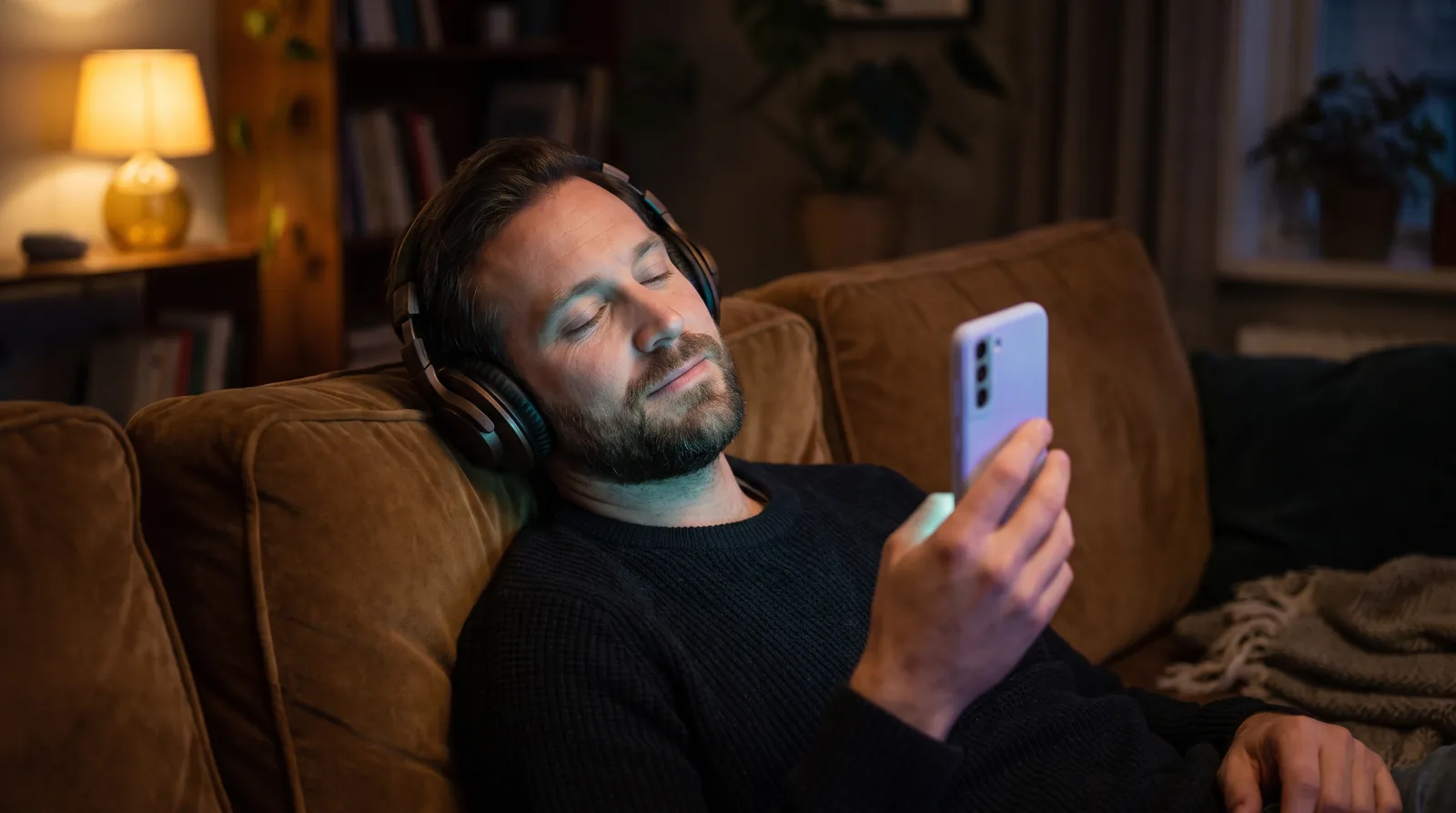 ASMR
ASMRWhy Slime Videos Are So Satisfying
There is a real reason your shoulders drop when you watch slime being folded and poked. A look at ASMR, soft fascination and the design of satisfying motion.
 Sleep
SleepWhite Noise for Sleep: What Works and What Does Not
White, pink and brown noise all promise better sleep. Here is what the evidence actually supports, how to choose, and how to set up sound for a quieter night.
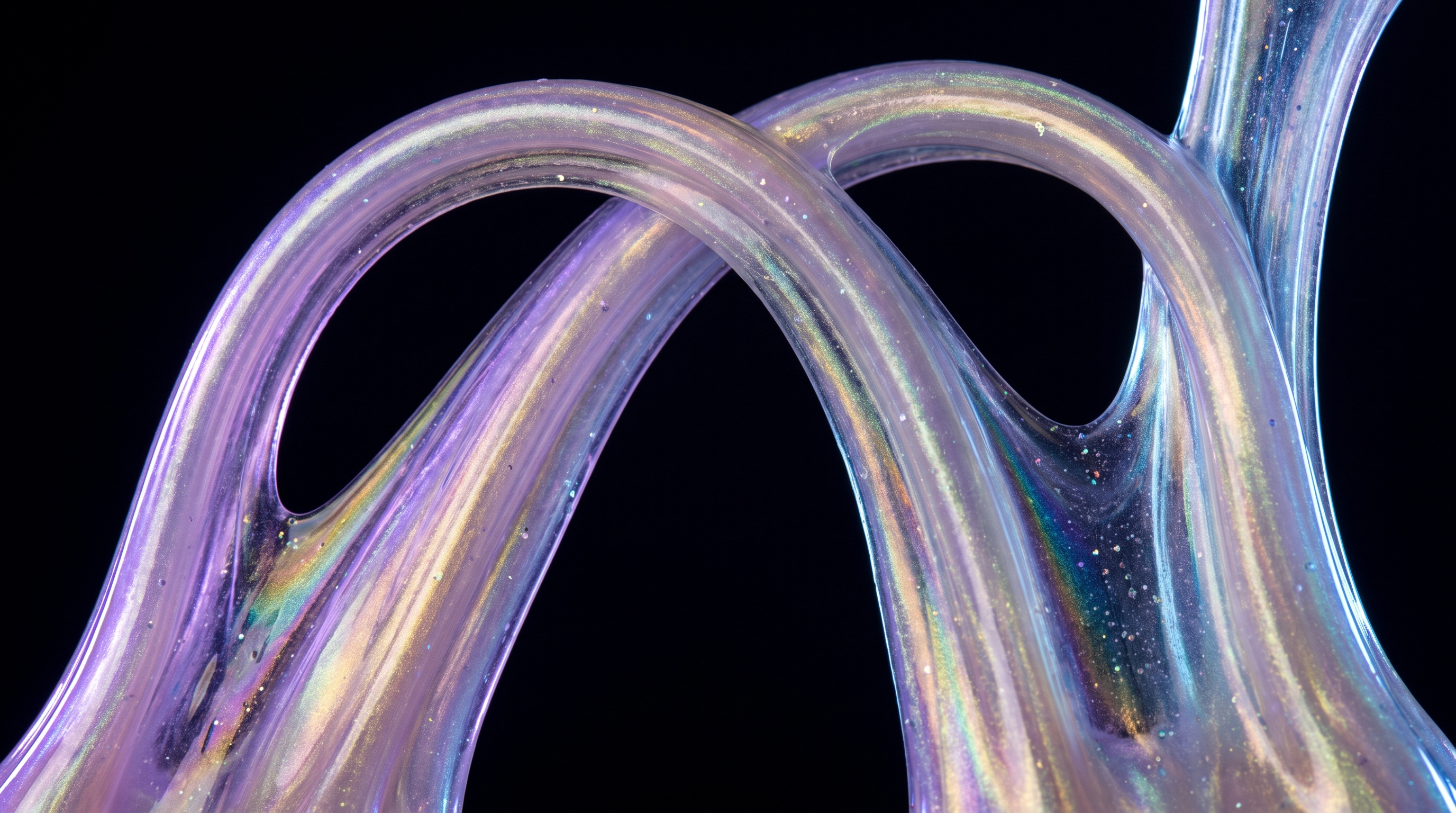 Visual Meditation
What Is Visual Meditation? The Complete Guide
Visual meditation rests your attention on slow, pleasing motion so calm happens almost on its own. Here is how it works, what the research says, and how to practise it in three minutes.
 ASMRNew
Why Is Bob Ross So Relaxing? The Science of Happy Little Brushstrokes
Bob Ross has been putting people to sleep for four decades, and he'd take that as a compliment. Here's the science of why his painting videos work like ASMR.
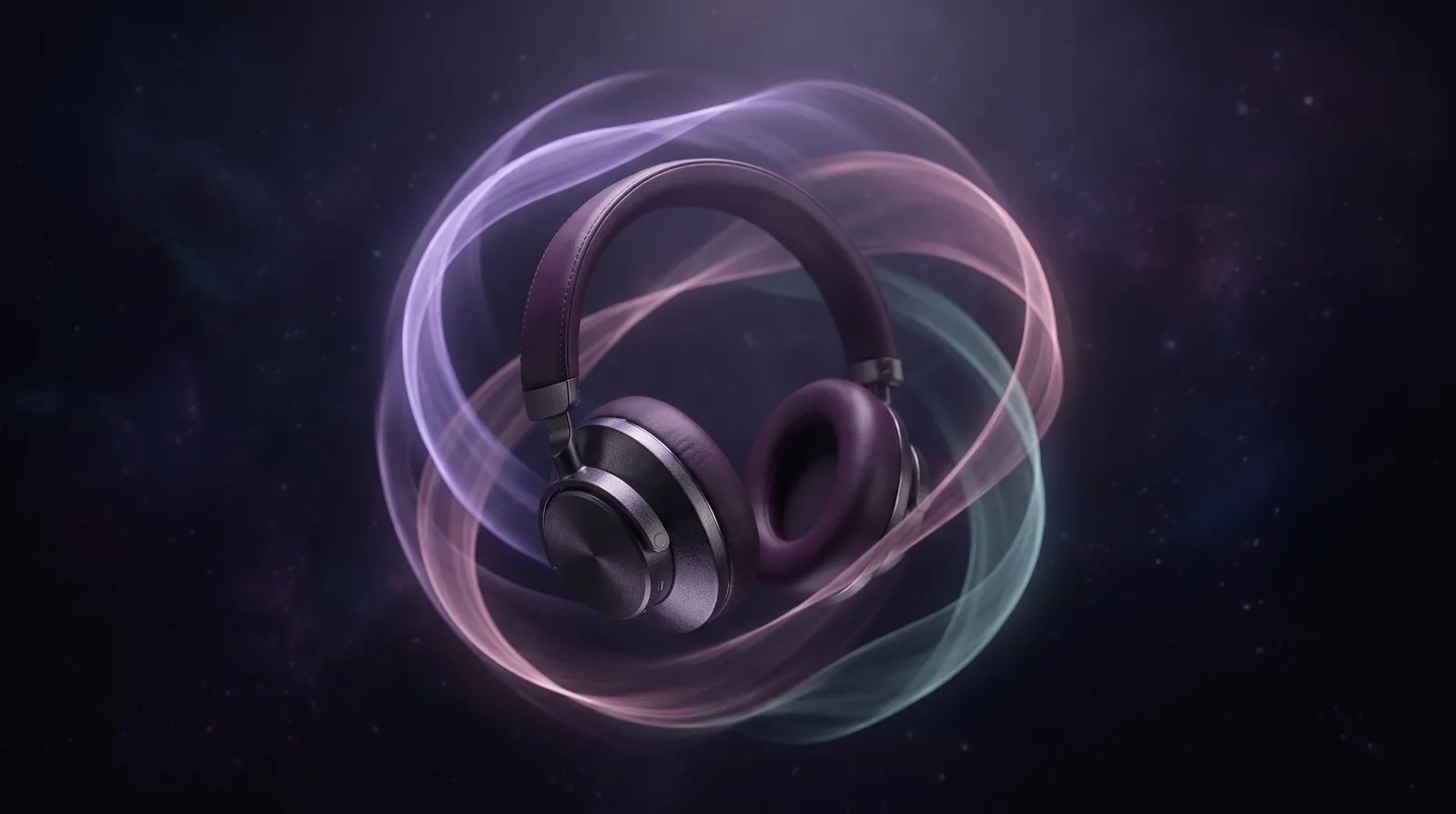 ASMRNew
What Is 8D Audio? The Science Behind the Spinning Sound
8D audio pans music around your head using binaural tricks. Here's how the illusion works, why it feels immersive, and whether it helps you relax or focus.
 ASMR
ASMRWhy Paint Mixing Videos Are So Satisfying
Why paint mixing videos feel so satisfying: the slow science of swirls and folds, what ASMR research suggests, and how to watch them as a mini meditation.