ASMR for ADHD: Why Tapping Videos Calm a Restless Brain
Why ASMR's gentle triggers can settle a restless ADHD brain: what research shows about relaxation and focus, and how to use tingles as a wind-down tool.
By Kurt Woleret
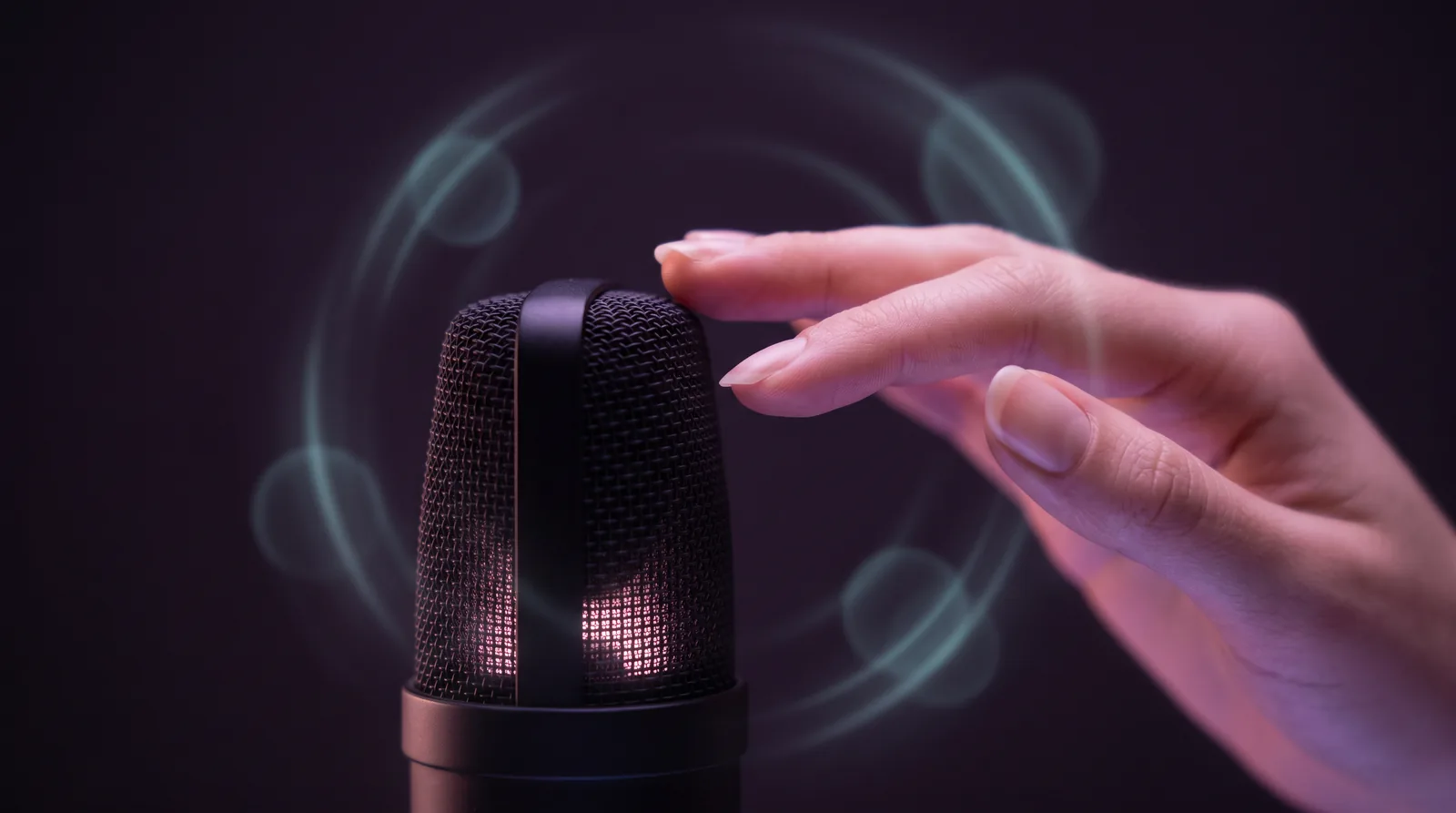
If you've spent any time in ADHD corners of the internet, you've noticed something: they're absolutely saturated with ASMR. Tapping compilations 'for ADHD brains.' Whisper videos tagged as focus aids. Comment sections full of people saying this is the only thing that shuts the static off. As the resident skeptic, my job is to ask the annoying question: is there anything real here, or is this just two internet subcultures colliding? Having read what research exists, my honest answer is: something real, with an asterisk. Let's do both halves properly.
Why an understimulated brain loves gentle noise
Start with the ADHD side. One useful way to think about ADHD is not as a shortage of attention but as trouble regulating it, and a brain that's chronically understimulated goes looking for input. That's the standard explanation for fidgeting, leg-bouncing, and pen-clicking: low-grade extra stimulation that keeps the attention system fed enough to settle. The restlessness isn't a character flaw; it's a brain topping up its own signal.
Now look at what ASMR actually is: a steady drip of gentle, predictable, low-effort sensory input. Tapping, crinkling, whispering, slow hands doing careful things. Nothing surprising ever happens, which is precisely the appeal. For a brain that idles too low, that kind of input can work like a fidget for the ears: enough stimulation to quiet the hunger for input, not enough to demand actual processing. Viewed that way, the ADHD-ASMR romance stops looking like coincidence and starts looking like self-medication with content. People found a sensory tool that fits the shape of their wiring, then built a genre around it.
What the research actually supports
Here's the asterisk, stated plainly: there are no solid clinical trials of ASMR as an ADHD treatment. Nobody has randomized a few hundred people with ADHD into tapping videos versus control and measured symptoms. Anyone selling ASMR as therapy for ADHD is ahead of the evidence, and you should hold onto your wallet.
What research does support is ASMR as a genuine relaxation phenomenon. The first major study, by Barratt and Davis in PeerJ in 2015, surveyed 475 regular ASMR viewers: 98 percent used it to relax and 82 percent used it to fall asleep, and intriguingly, the authors describe the state itself as flow-like, that absorbed, time-melting mode restless brains chase and rarely catch. Then the physiology: Poerio and colleagues, in PLOS One in 2018, brought people into a lab and found that those who experience ASMR showed significantly reduced heart rates while watching, alongside increased feelings of calm. A measurable brake on the nervous system, in the direction every overstimulated evening needs. So the defensible claim isn't 'ASMR treats ADHD.' It's 'ASMR reliably calms many people who respond to it, and brains that regulate attention differently have extra reasons to find that useful.'
The defensible claim isn't that ASMR treats ADHD. It's that it reliably calms responders, and restless brains have extra reasons to find that useful.
Using it well: regulation, not medication
So how do you actually use this, assuming you respond to ASMR at all? (Not everyone does. If whispering makes your skin crawl, this genre owes you nothing; try brown noise or lo-fi instead.) The trick is matching the tool to the job. ASMR is a down-regulator: it's at its best when the problem is too much arousal, not too little focus. The evening spiral, the post-overwhelm crash, the bedtime brain that treats the pillow as a podium: that's ASMR territory. The 9 a.m. report you can't start is task-paralysis territory, and gentle whispering can tip past relaxed into asleep at your desk.
A few honest rules from my own field-testing, deadline weeks included: keep it in the background, not the foreground, because watching ASMR instead of working is just a cozier form of not working. Pick triggers with no words, since spoken roleplay grabs the language part of your brain that the work needs. And be careful with the endless-scroll version: an ADHD brain plus an autoplaying rabbit hole of videos at 1 a.m. is how a relaxation tool becomes a revenge-bedtime accomplice. This is where I'll admit the design of the thing matters. Part of why I use Feelsy at night instead of a video platform is that it's a cul-de-sac, not a highway: slow slime textures with layered ASMR sound that just keep drifting on autoplay, no thumbnails screaming for the next click, nothing to choose. For a brain that treats every choice as an off-ramp, fewer off-ramps is the feature.
Bottom line: the ADHD internet didn't hallucinate this one. ASMR is a real, measured relaxation effect, and a restless, input-hungry brain is exactly the kind of brain that benefits from a steady drip of gentle sensory signal. Just keep the claim the right size. It's a regulation tool, like the fidget toy and the walk around the block: cheap, safe, occasionally magic, and not a substitute for the bigger supports when you need them.
Feelsy is a wellness product, not medical advice. If stress, anxiety or sleep problems persist, please speak with a qualified professional.
References
- Barratt, E. L., & Davis, N. J. (2015). Autonomous Sensory Meridian Response (ASMR): a flow-like mental state. PeerJ, 3, e851.
- Poerio, G. L., Blakey, E., Hostler, T. J., & Veltri, T. (2018). More than a feeling: Autonomous sensory meridian response (ASMR) is characterized by reliable changes in affect and physiology. PLOS One, 13(6), e0196645.
Frequently Asked Questions
Does ASMR help with ADHD?
There are no clinical trials of ASMR as an ADHD treatment, so nobody can honestly claim it treats symptoms. What research does show is that ASMR reliably relaxes people who respond to it, including measurably reduced heart rate in lab studies. Since many ADHD brains seek gentle extra stimulation to settle, ASMR can work well as a calming, regulating tool rather than a treatment.
Why do people with ADHD like ASMR so much?
A common explanation is that ADHD brains are often understimulated and go looking for input, which is why fidgeting helps. ASMR provides a steady stream of gentle, predictable sensory input: tapping, whispering, slow hands at work. It feeds the attention system enough to quiet restlessness without demanding real processing, like a fidget for the ears.
Can I listen to ASMR while working or studying?
In the background, possibly; in the foreground, no. Wordless triggers like tapping or rain-adjacent sounds interfere least, while whispered roleplay grabs the language parts of your brain that work needs. ASMR is fundamentally a down-regulator, so it suits winding down from overwhelm better than powering through a difficult task.
What if ASMR doesn't work for me?
Then skip it, with a clear conscience. Not everyone responds to ASMR, and for some people whispering is actively irritating. The relaxation effect in studies shows up in responders, not universally. Steady background sounds like brown noise or lo-fi music do a similar attention-settling job for many people who get nothing from tingles.
Is ASMR good before bed if I have a racing mind?
That's its natural habitat. Survey research found 82 percent of regular ASMR viewers use it specifically to fall asleep, and lab work shows reduced heart rate in responders, which is the direction a racing evening brain needs. Just avoid endless-scroll platforms late at night; choose something that drifts on its own without asking you to pick the next video.

About the author
Contributing writer
Kurt is a New York based writer covering the practical science of stress, sleep and focus. He is the resident sceptic of the Journal: if a technique cannot survive a crowded subway commute and a deadline week, he is not interested in it.
Feel it for yourself.
Feelsy turns reading about calm into practising it. Two minutes of a slow texture is often the whole difference.


Related reading
 Visual Meditation
Meditation for ADHD: What Actually Works
Meditation advice usually assumes a brain that sits still on command. Here's how ADHD brains can actually meditate: open eyes, moving anchors, short sessions.
 Breath & Body
Fidgeting Isn't a Bad Habit: The Case for Stimming
Fidget toys, foot-tapping, doodling: focus problem or focus tool? What research on ADHD hyperactivity and stimming actually says about the wisdom of restless hands.
 ASMR
ASMRASMR for Studying: Can Tingles Actually Help You Focus?
Can ASMR help you study, or is it strictly a sleep thing? Here's what research says about focusing with tingles, and how to set it up without zoning out.
 ASMRNew
Why Is Bob Ross So Relaxing? The Science of Happy Little Brushstrokes
Bob Ross has been putting people to sleep for four decades, and he'd take that as a compliment. Here's the science of why his painting videos work like ASMR.
 ASMRNew
What Is 8D Audio? The Science Behind the Spinning Sound
8D audio pans music around your head using binaural tricks. Here's how the illusion works, why it feels immersive, and whether it helps you relax or focus.
 ASMR
ASMRWhy Paint Mixing Videos Are So Satisfying
Why paint mixing videos feel so satisfying: the slow science of swirls and folds, what ASMR research suggests, and how to watch them as a mini meditation.