ASMR vs White Noise: Which Actually Helps You Sleep?
ASMR relaxes you into sleep; white noise defends it from a loud world. What the research says about each, and how to pick the right one for your nights.
By Kurt Woleret
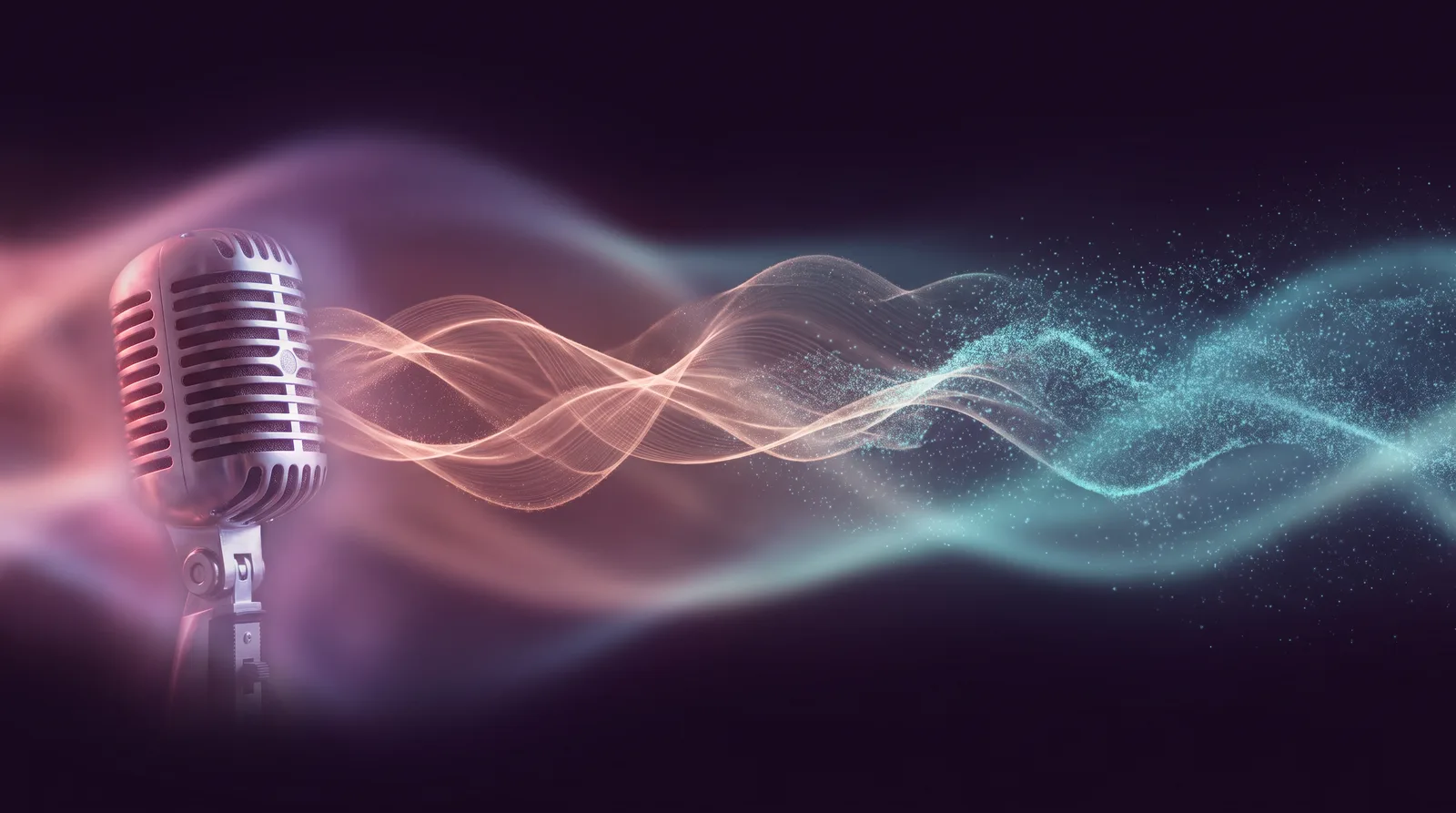
Every night, millions of people fall asleep to sound on purpose. They split into two tribes. Tribe one drifts off to a stranger whispering about nothing, tapping on jars, folding towels with alarming dedication. Tribe two runs a fan app that sounds like a jet cabin and would fight you over it. ASMR versus white noise: both live in the same phone, both promise sleep, and they work in completely different ways. Having spent years sleeping next to a Brooklyn avenue with the acoustic profile of a demolition derby, I've field-tested both. Here's what the research says, and how to figure out which tribe you belong in.
Two very different tools
Start with the mechanical difference, because it explains everything else. White noise is a masker. It's a steady wash of sound across frequencies that raises the floor of what your ears register, so the door slam, the upstairs footsteps, and the 2 a.m. motorcycle get absorbed into an even hum instead of spiking through silence and waking you. White noise doesn't relax you. It defends you.
ASMR is the opposite: not a shield but a signal. Whispering, tapping, crinkling, slow deliberate hands at work; for people who respond to it, these triggers produce a distinctive calm, often with a tingling that starts at the scalp, and the point is to downshift your nervous system until sleep can take over. White noise blocks the world out. ASMR talks you down. Those are different jobs, and most sleep-audio disappointment comes from hiring the wrong specialist.
The case for ASMR
The research on ASMR is young but consistent on one point: for responders, it's relaxing in ways you can measure. The first major study, by Barratt and Davis in PeerJ in 2015, surveyed 475 people who watch ASMR videos: 98 percent used them to relax, and 82 percent specifically used them to fall asleep. Sleep isn't a side effect of ASMR culture; it's the main event.
Then there's the physiology. A 2018 study by Poerio and colleagues in PLOS One had people watch ASMR videos in the lab. Those who experience ASMR showed significantly reduced heart rates while watching, along with increased calm. A slowing heart is exactly the direction you want to be heading at 11 p.m. The catch: not everyone gets it. If ASMR does nothing for you, or a stranger whispering actively annoys you, no amount of exposure therapy is worth it. And even responders should note that tingles aren't required; the relaxation effect is the useful part, and plenty of people get the calm without the fireworks.
White noise blocks the world out. ASMR talks you down. Most sleep-audio disappointment comes from hiring the wrong specialist.
The case for white noise
White noise has been studied longer, and the honest summary is: useful shield, overstated legend. A 2021 systematic review by Riedy and colleagues in Sleep Medicine Reviews went through the research on noise as a sleep aid and found mixed results and generally low-quality evidence. Some studies show people in loud environments fall asleep faster with continuous noise; others show little effect. The authors' caution was pointed: the evidence doesn't justify the miracle-machine reputation, and running loud noise all night, every night, is worth being thoughtful about, not least for your ears.
But notice what the mixed evidence is mixed about. The clearest wins for white noise come from exactly the situation it was built for: a sleeper under acoustic assault. If your nights are punctured by traffic, neighbors, or a snorer, masking the spikes is a mechanical fix for a mechanical problem. If your bedroom is already quiet and your problem is a loud mind rather than a loud street, a masker has nothing to mask. That's not white noise failing; that's the wrong tool.
So which should you use?
Match the tool to the problem:
- Loud environment, falls asleep fine in silence elsewhere: white noise, or a softer cousin like pink or brown noise if the pure static feels harsh.
- Quiet room, racing mind: try ASMR. The whisper-and-tap genre exists precisely to give an overactive brain something gentle to hold onto while it powers down.
- ASMR-curious but tingle-free: still worth a trial. The measured heart-rate calming showed up in responders, but relaxation without tingles is common, and boredom in a good way is underrated as a sleep strategy.
- Both problems at once: layer them. Soft steady noise underneath, gentle triggers on top. This is my personal stack, and it's also roughly how Feelsy approaches it: slow-moving slime textures with layered ASMR sound, and an autoplay mode that keeps drifting quietly so you never touch the phone once you're horizontal.
One practical note on volume, whatever you choose: the goal is the quietest level that does the job. With masking, louder isn't more effective past the point where spikes are covered; it's just louder. With ASMR, the whole genre works at whisper scale anyway. If a sound is interesting enough to keep you listening, it's too interesting; the best sleep audio is the audio you stop noticing.
The real answer to ASMR versus white noise is that it's not a versus. One soothes a nervous system; one soundproofs a bedroom; a lot of modern sleepers quietly need both. Figure out whether your enemy is the street or your own head, pick accordingly, keep the volume humble, and let the towel-folding people or the jet cabin, or the two of them together, walk you down to sleep.
Feelsy is a wellness product, not medical advice. If stress, anxiety or sleep problems persist, please speak with a qualified professional.
References
- Barratt, E. L., & Davis, N. J. (2015). Autonomous Sensory Meridian Response (ASMR): a flow-like mental state. PeerJ, 3, e851.
- Poerio, G. L., Blakey, E., Hostler, T. J., & Veltri, T. (2018). More than a feeling: Autonomous sensory meridian response (ASMR) is characterized by reliable changes in affect and physiology. PLOS One, e0196645.
- Riedy, S. M., Smith, M. G., Rocha, S., & Basner, M. (2021). Noise as a sleep aid: A systematic review. Sleep Medicine Reviews.
Frequently Asked Questions
Is ASMR or white noise better for sleep?
They solve different problems. White noise masks environmental sound, so it helps most when traffic, neighbors, or a snorer keep breaking through. ASMR works by actively relaxing your nervous system, so it suits a quiet room and a racing mind. Many people do best layering soft steady noise underneath gentle ASMR triggers.
Does ASMR help you sleep if you don't get tingles?
It can. In lab research, people who respond to ASMR showed measurably reduced heart rates while watching, and relaxation without tingles is common. If gentle whispering and tapping calms you, that's the useful part; the tingles are optional. If ASMR just annoys you, skip it and use a masking sound instead.
Is it bad to sleep with white noise on all night?
The research is mixed and generally low quality, and reviewers caution against assuming louder or longer is better. The sensible approach is the quietest volume that covers the noise spikes waking you. If your room is already quiet, all-night noise has nothing to mask and adds little.
Can I combine ASMR and white noise?
Yes, and it's a common stack: a soft steady noise bed to blunt environmental spikes, with quiet ASMR triggers layered on top to settle your mind. Keep the overall volume low, and choose sounds boring enough that you stop noticing them, which is exactly what good sleep audio should do.

About the author
Contributing writer
Kurt is a New York based writer covering the practical science of stress, sleep and focus. He is the resident sceptic of the Journal: if a technique cannot survive a crowded subway commute and a deadline week, he is not interested in it.
Feel it for yourself.
Feelsy turns reading about calm into practising it. Two minutes of a slow texture is often the whole difference.


Related reading
 ASMR
ASMRASMR for Sleep: What the Research Actually Says
Millions fall asleep to whisper videos every night. Here's what research says about ASMR for sleep, who it helps, and how to use it without staying up later.
 Sleep
SleepWhite Noise for Sleep: What Works and What Does Not
White, pink and brown noise all promise better sleep. Here is what the evidence actually supports, how to choose, and how to set up sound for a quieter night.
 Sleep
SleepPink Noise for Sleep: The Color of Static That Actually Deepens Rest
White noise gets the headlines, but pink noise is the one sleep researchers keep testing. Here's what pink noise actually is, and whether it helps you sleep.
 ASMRNew
Why Is Bob Ross So Relaxing? The Science of Happy Little Brushstrokes
Bob Ross has been putting people to sleep for four decades, and he'd take that as a compliment. Here's the science of why his painting videos work like ASMR.
 ASMRNew
What Is 8D Audio? The Science Behind the Spinning Sound
8D audio pans music around your head using binaural tricks. Here's how the illusion works, why it feels immersive, and whether it helps you relax or focus.
 ASMR
ASMRWhy Paint Mixing Videos Are So Satisfying
Why paint mixing videos feel so satisfying: the slow science of swirls and folds, what ASMR research suggests, and how to watch them as a mini meditation.