The Benefits of Solitude: Why Time Alone Is Not Loneliness
Solitude and loneliness are not the same thing. Here is why chosen time alone settles the nervous system, what research found, and how to practise it gently.
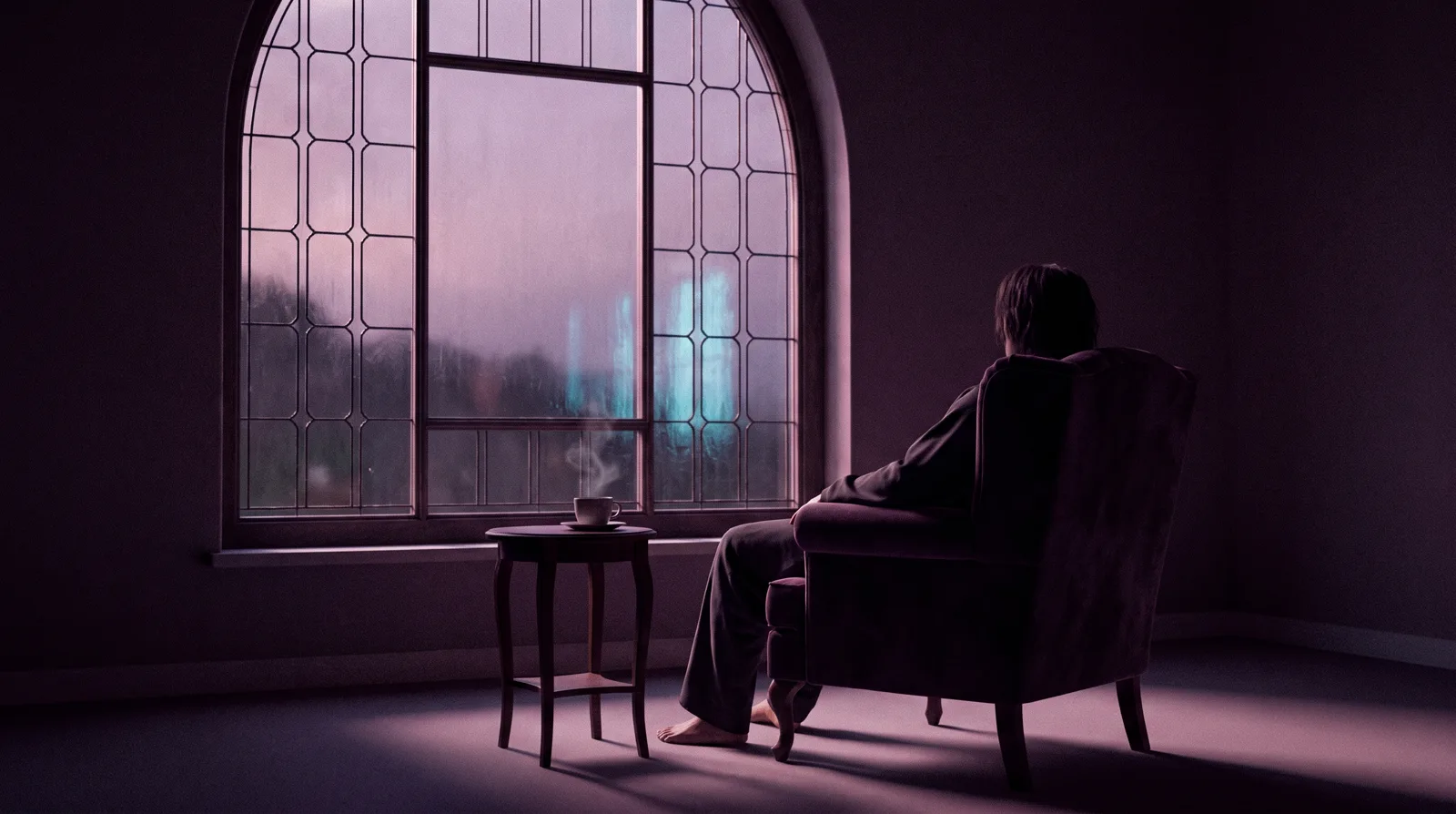
We have built a culture that treats being alone as a problem to be solved. An empty Saturday is something to fill. A table for one is something to apologise for. Yet nearly every contemplative tradition that humans have ever devised, from the desert hermits of fourth-century Egypt to the mountain poets of Tang dynasty China, begins with the same strange prescription: go and be by yourself for a while. They were not punishing themselves. They had noticed something we keep forgetting, which is that the company of other people, however beloved, asks something of us continuously, and that the self needs hours in which nothing is asked of it at all.
Two words we keep confusing
The reason solitude has such a poor reputation is that we keep mistaking it for its shadow. Loneliness is the pain of unwanted isolation: connection sought and not found. Solitude is the opposite condition, chosen aloneness, entered freely and left freely. The two can look identical from the outside, one person, one room, one quiet evening, and feel utterly different from the inside.
The difference is choice. Loneliness happens to us; solitude is something we do. And because it is chosen, it carries none of the social threat that makes isolation corrosive. The body seems to know the difference long before the mind has words for it.
Loneliness is the ache of a door closed against you. Solitude is the quiet of a door you closed yourself.
A very old practice
Every tradition that took the inner life seriously made room for deliberate aloneness. The Desert Fathers and Mothers left the cities of Roman Egypt for cells in the wilderness, not because they hated people but because they wanted to hear themselves think. Chinese hermit poets retreated to mountain huts and wrote some of the most companionable verse ever composed, poems that feel like letters from a friend who has simply stepped out of the noise. Michel de Montaigne, the great French essayist, withdrew to a tower on his estate in 1571 and invented the personal essay there, writing that we must reserve a back shop all our own, entirely free, in which to establish our real liberty.
What unites these figures is not withdrawal from life but a rhythm: out and back, company and quiet, the market and the mountain. Almost none of them stayed alone forever. Solitude was a place they visited to become bearable to themselves, and useful to everyone else.
What the research actually found
Modern psychology has begun to catch up with the hermits. In a series of experiments, researchers asked people to sit alone, without devices or tasks, for about fifteen minutes, and measured what happened to their emotions (Nguyen, Ryan and Deci, 2018, Personality and Social Psychology Bulletin). The consistent finding was what the authors called a deactivation effect: solitude reliably turned down high-arousal states, both the unpleasant ones like anxiety and anger and the fizzy pleasant ones like excitement. What rose in their place were low-arousal states, calm and relaxation chief among them.
In other words, fifteen minutes alone acts like a dimmer switch on the nervous system. The researchers also found that the effect changed character depending on framing: people who chose solitude, and used it with some intention, tended to fare better than those who felt marooned in it. Choice, again, is the hinge on which the whole experience turns.
Why it feels difficult at first
If sitting alone with yourself sounds unappealing, you are in excellent company. An unoccupied mind reaches for stimulation the way a hand reaches for a railing. The first minutes of solitude are often the loudest, because everything postponed during the day arrives at once: the unanswered message, the awkward conversation, the list of things undone.
The mistake is to treat that noise as evidence that solitude is not working. It is the sound of solitude beginning to work. The thoughts arrive, are seen, and, deprived of an audience or an argument, gradually sit down. It helps enormously to give the senses something gentle to hold in the meantime. A window with weather in it. A candle. A cup of tea going slowly cold. A slow visual texture drifting on a screen, the kind Feelsy was built around, can serve the same purpose: not a distraction from solitude but a soft handrail into it.
How to practise solitude in small doses
Nobody needs a tower in France or a cell in the desert. Solitude scales down beautifully, and the small sizes are the ones that fit inside an ordinary week:
- A walk taken without headphones, even a short one, where the only input is the street or the sky.
- The first fifteen minutes of the day claimed before anyone else is awake, with tea and a chair and nothing scheduled.
- A lunch eaten alone on purpose, at a table, without a feed to scroll.
- An evening hour with the phone in another room, given to one slow thing: a bath, a page, a texture, a breath practice such as the 4-7-8 exercise.
The common ingredient is the absence of performance. In solitude nobody is watching, so nothing needs to be interesting, productive or worth reporting. That, precisely, is what the nervous system finds so restful about it.
An evening of your own
Try this once this week. Choose an hour, tell the people who need telling, and close the door. Lower the lights. Let the first ten minutes be as noisy inside as they insist on being. Somewhere in the second ten, notice the shift the researchers measured and the hermits described: the volume easing, the shoulders arriving back down, the evening becoming longer and slower than clock time suggested. You have not gone anywhere, and yet you return.
Solitude will not replace the people you love, and it is not meant to. It is what makes you fit for them. The door opens again, and you walk out quieter than you went in.
Feelsy is a wellness product, not medical advice. If stress, anxiety or sleep problems persist, please speak with a qualified professional.
References
- Nguyen, T. T., Ryan, R. M., & Deci, E. L. (2018). Solitude as an approach to affective self-regulation. Personality and Social Psychology Bulletin, 44(1), 92–106.
Frequently Asked Questions
What is the difference between solitude and loneliness?
Loneliness is unwanted isolation: connection sought and not found. Solitude is chosen aloneness, entered freely and left freely. The two can look identical from the outside, but the deciding ingredient is choice, and the body responds very differently to time alone that you have chosen than to isolation that has happened to you.
What are the benefits of spending time alone?
Research has found that around fifteen minutes of solitude reliably lowers high-arousal emotional states, including anxiety and anger, and raises low-arousal states such as calm and relaxation. Psychologists call this the deactivation effect: chosen time alone works like a dimmer switch on the nervous system, particularly when it is entered with some intention.
Why does being alone feel uncomfortable at first?
An unoccupied mind reaches for stimulation, so the first minutes of solitude are often the loudest, with postponed thoughts arriving all at once. That noise is not a sign that solitude is failing; it is the start of the process. Given a few quiet minutes and something gentle for the senses to rest on, the thoughts are seen and gradually settle.
How do I practise solitude if I have a busy life?
Solitude scales down well. A walk without headphones, fifteen claimed minutes before the house wakes, a lunch eaten alone on purpose, or an evening hour with the phone in another room all count. The essential ingredient is the absence of performance: a stretch of time in which nothing has to be interesting, productive or worth reporting.

About the author
Contributing writer
Eleonor writes about contemplative traditions, attention and the cultural history of calm. She has spent two decades collecting the rituals humans use to slow down, from zazen halls to hammams, and translating them for modern, screen-lit lives.
Feel it for yourself.
Feelsy turns reading about calm into practising it. Two minutes of a slow texture is often the whole difference.


Related reading
 ASMR
ASMRThe Benefits of Silence: What Happens When the Sound Stops
Silence is not merely the absence of noise; the body treats it as an event in itself. Here is what research says quiet does for the heart and mind.
 Ancient Wisdom
Niksen: The Dutch Art of Doing Nothing (and Why Your Brain Needs It)
Niksen is the Dutch art of doing nothing: no phone, no goal, no guilt. What idle moments actually do for a busy brain, and how to practise niksen daily.
 Visual Meditation
In Defense of Staring Out the Window
Staring out the window isn't wasted time. The science of soft fascination and attention restoration, and why your brain needs unfocused minutes.
 Ancient WisdomNew
What Is Kaizen? The Gentle Japanese Art of Tiny Improvements
Kaizen is the Japanese philosophy of improving by small, continuous steps. Here is what the word really means, and how one-minute changes quiet a busy mind.
 Ancient Wisdom
Zhan Zhuang: The Chinese Art of Standing Like a Tree
Zhan zhuang, the 'standing post,' is a Chinese practice of complete stillness on your feet. How standing meditation works and a gentle way to begin today.
 Ancient Wisdom
Döstädning: The Gentle Swedish Art of Death Cleaning
What Swedish death cleaning really means: the calm philosophy of döstädning, how it differs from ordinary decluttering, and how to begin at any age.