Can You Learn While You Sleep? What the Science Actually Says
Sleep learning is an old dream and mostly a myth, but not entirely. What research really shows about learning, memory and your sleeping brain.
By Kurt Woleret
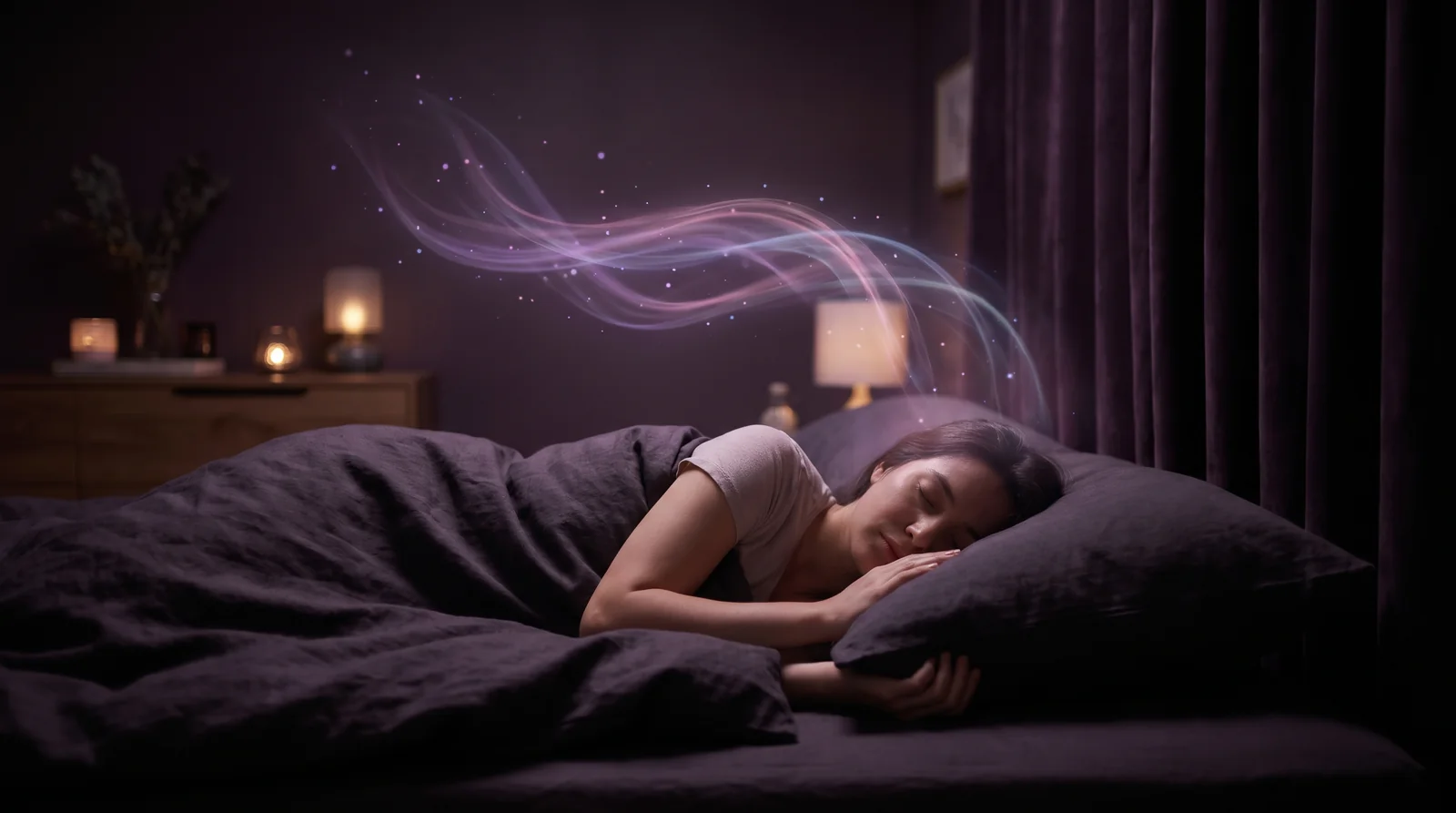
Every few years the dream comes back: put on headphones, play the Spanish tapes, wake up conversational. It's the productivity fantasy with the longest pedigree, sold in the back pages of magazines since the 1950s, and I understand the appeal completely. Eight hours a night, doing nothing, while my to-do list compounds? Monetize the coma. So here's the up-front verdict, because you deserve it: no, you cannot learn Spanish in your sleep. But the full answer is stranger and more useful than the myth, because your sleeping brain turns out to be doing real cognitive work every night. Just not the work the tapes promised.
The myth, briefly autopsied
Sleep learning, or hypnopedia, got its cultural start from early studies that seemed to show people absorbing facts played to them overnight. The problem, discovered once researchers started wiring subjects to EEG machines, was that the learning tracked with brief awakenings. People weren't learning in their sleep; they were learning in the moments the tape woke them up, which is just studying, but worse and lying down. Once studies controlled for actual verified sleep, the effect on new complex material, vocabulary, facts, anything with semantic content, collapsed to roughly nothing. The sleeping brain gates its doors. Complex new information doesn't get in.
What does get in
Roughly nothing is not nothing, though, and this is where it gets interesting. Researchers in Israel ran an elegant experiment: while people slept, they played a tone, then released a smell, pleasant or unpleasant. Sleepers began sniffing in response to the tone alone, and, remarkably, kept doing it the next morning with no memory of any of it (Arzi et al., 2012, Nature Neuroscience). A simple association had formed during sleep and survived into waking. That's genuine learning, in the strict sense. It's also about the ceiling of it: tone means smell. The sleeping brain can apparently wire together basic sensory pairings, the kind of learning you share with every animal that has a nose. What it won't do is take dictation.
Your sleeping brain isn't a student. It's a librarian, re-shelving what you learned while awake.
The real job: consolidation
The genuinely practical science isn't about pushing new material in; it's about what sleep does with material you already learned. During deep slow-wave sleep, the brain replays and stabilizes the day's memories, moving them into longer-term storage. And that replay can be nudged. In a landmark study, people learned a memory task with the scent of roses in the room, then had the same scent piped in during their deep sleep. Their memory of the task was significantly better the next day; the odor cue had apparently prompted the sleeping brain to rehearse exactly those memories (Rasch et al., 2007, Science). The technique is called targeted memory reactivation, and it's real, replicated, and one of the cooler findings in modern sleep research. Note what it requires, though: you did the learning awake. Sleep did the filing.
How to actually use this
So the actionable version of sleep learning looks nothing like the tapes and everything like logistics. Study before bed, since material learned in the hours before sleep gets consolidated with less interference from the day's noise. Protect your deep sleep, because that's when the filing happens: consistent schedule, cool dark room, no doomscrolling into the small hours. Don't play information at yourself overnight; audio that's interesting enough to learn from is interesting enough to fragment your sleep, which destroys the consolidation you were trying to buy. If you like something in your ears at lights-out, make it content-free: quiet textures, rain, the low ASMR hum of a Feelsy soundscape, something that soothes the pre-sleep mind without giving it anything to chew. Then do the one bit of review that actually compounds: look at the material again in the morning, when the librarian has finished shelving.
A word about the apps
Because of course there are apps. The modern descendants of the magazine tapes are subscriptions promising language learning, affirmations, or reprogrammed beliefs piped into your sleeping ears, and the pitch hasn't changed in seventy years: same dream, better interface. Run them through what the research actually supports and the pitch thins out fast. New semantic content, the vocabulary and the affirmations, hits the same gate that stopped the 1950s tapes; if any of it lands, suspect the same old culprit, brief awakenings doing the learning the sleep gets credit for. The genuinely supported mechanism, cueing memories you formed while awake, is real but fussy: in the lab it uses precisely timed cues during verified slow-wave sleep, not an eight-hour audio file hoping to catch the right moment. I won't say no consumer product can ever thread that needle. I'll say that the burden of proof is on the product, the lab versions needed polysomnography to time the cues, and your phone speaker on the nightstand does not know what sleep stage you're in. Skepticism here is cheap, and sleep is not.
The honest summary
Can you learn while you sleep? New facts, no. Simple sensory associations, apparently yes, which is scientifically fascinating and practically useless unless you need to be conditioned to a smell. But can sleep make you better at what you learned today? Demonstrably, every night, for free. The dream of effortless overnight knowledge was always a way of avoiding the real transaction, which is that learning costs waking effort and sleep is where the payment clears. Skip the sleep to study more and you're robbing the back office that processes the deposit. The tapes were a scam. The nap is not.
Feelsy is a wellness product, not medical advice. If stress, anxiety or sleep problems persist, please speak with a qualified professional.
References
- Arzi, A., Shedlesky, L., Ben-Shaul, M., et al. (2012). Humans can learn new information during sleep. Nature Neuroscience, 15(10), 1460-1465.
- Rasch, B., Büchel, C., Gais, S., & Born, J. (2007). Odor cues during slow-wave sleep prompt declarative memory consolidation. Science, 315(5817), 1426-1429.
Frequently Asked Questions
Can you really learn new information while you sleep?
Not in any useful sense. Controlled studies show the sleeping brain doesn't absorb complex new material like vocabulary or facts; early positive results were traced to people briefly waking up during the recordings. The only learning demonstrated during verified sleep is very simple sensory association, such as linking a tone to a smell (Arzi et al., 2012).
What does the brain actually do with memories during sleep?
It consolidates them. During deep slow-wave sleep the brain replays and stabilizes memories formed while awake, moving them into longer-term storage. In one landmark study, piping a rose scent that had been present during learning back into the room during deep sleep measurably improved recall the next day (Rasch et al., 2007).
Does playing audio lessons overnight help at all?
No, and it can backfire. Audio engaging enough to learn from is engaging enough to fragment your sleep, and fragmented sleep undermines the memory consolidation you were trying to gain. If you want sound at night, choose content-free audio like rain or quiet textures rather than information.
How can I use sleep to study better?
Do the learning awake and let sleep do the filing. Review material in the hours before bed, protect your deep sleep with a consistent schedule and a cool dark room, and look at the material again in the morning after consolidation has had a full night to work.

About the author
Contributing writer
Kurt is a New York based writer covering the practical science of stress, sleep and focus. He is the resident sceptic of the Journal: if a technique cannot survive a crowded subway commute and a deadline week, he is not interested in it.
Feel it for yourself.
Feelsy turns reading about calm into practising it. Two minutes of a slow texture is often the whole difference.


Related reading
 Sleep
Sleep Cycles, Explained: What Actually Happens Every 90 Minutes
What a sleep cycle actually is, how long one really lasts, why deep sleep front-loads your night, and how to time your alarm so mornings hurt less.
 Sleep
How Much Deep Sleep Do You Need? An Honest Number
How much deep sleep adults actually need each night, what slow-wave sleep does for memory and recovery, why trackers get it wrong, and what really increases it.
 ASMR
Why Podcasts Put You to Sleep Faster Than Silence
Press play, someone starts talking, you're out in ten minutes. Why podcasts knock you out faster than silence, and how to set them up so they help your sleep.
 Sleep
Falling Back: A Survival Guide for the End of Daylight Saving Time
Clocks fall back this weekend, and the free hour is slightly fake. What the end of daylight saving time really does to your sleep, and how to land it well.
 Sleep
The Best Alarm Sound to Wake Up To, According to Research
Harsh beeping may be making your mornings worse. What research says about the best alarm sound to wake up to, and how to choose one your brain won't fight.
 Sleep
Does Counting Sheep Actually Work? Science Counted, and No
Counting sheep is the oldest sleep trick in the book, and research suggests it barely works. Here's why it fails busy minds and what to do instead.