The Best Alarm Sound to Wake Up To, According to Research
Harsh beeping may be making your mornings worse. What research says about the best alarm sound to wake up to, and how to choose one your brain won't fight.
By Kurt Woleret
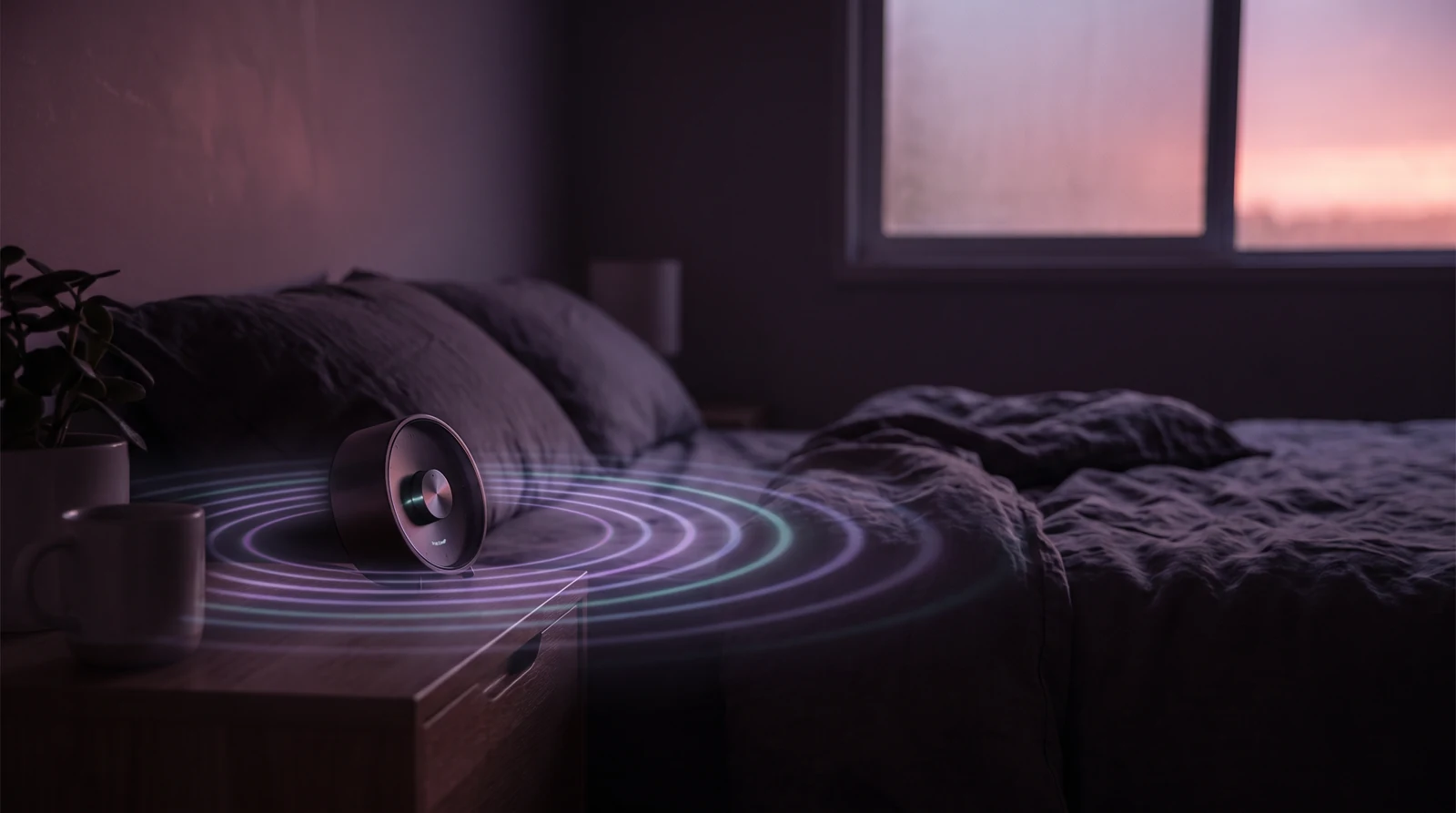
My college roommate woke up every morning to the default phone alarm cranked to maximum, the one that sounds like a submarine declaring an emergency. Technically it woke him. It also woke me, two walls away, into a state I can only describe as combat readiness. Fifteen years later I can still hear it, which raises a question I eventually took seriously: does it matter what sound drags you out of sleep? It turns out researchers have asked the same thing, and their answer should mildly embarrass every default alarm tone ever shipped: the klaxon approach may be the worst of the available options.
Sleep inertia, the fog you wake into
First, the thing your alarm is up against. Sleep inertia is the groggy, cotton-headed state between waking up and actually being awake. For most people it lasts fifteen to thirty minutes; after a short night, or when the alarm lands in deep sleep, it can drag on for an hour or more. During it, your reaction time, working memory and decision-making are all measurably worse. If your morning includes driving, operating anything sharper than a toaster, or saying words in a meeting, sleep inertia is not a cosmetic problem. The interesting idea is that the sound you wake to might shape how hard that fog sits on you.
The study that defended melody
Researchers at RMIT University in Melbourne surveyed adults about what sound woke them and how groggy they felt afterward (McFarlane et al., 2020, PLOS ONE). The pattern ran opposite to what most people would guess: those who woke to melodic alarms, sounds with a tune you could hum along to, reported less sleep inertia than those who woke to harsh, atonal beeping. The classic 'beep beep beep' wasn't neutral; it was associated with more morning grogginess, not less. The honest caveats: it was a self-report study with a modest sample, so it shows an association rather than proof. But the direction is consistent with how the waking brain seems to work. A melody carries structure your brain can follow out of sleep, like a handrail. A harsh beep is just an abrupt demand, and the researchers suggested that jolting, unmusical sounds may confuse the transition rather than smooth it, leaving you awake but scrambled.
A sound you can hum escorts the brain out of sleep. A beep just kicks the door.
Why waking is violent in the first place
Part of the problem is timing you can't hear. An alarm doesn't care which sleep stage it lands in, and the stages care a lot. Get yanked out of deep slow-wave sleep, which dominates the early part of the night, and inertia hits hardest; surface from light sleep or REM, which crowd the morning hours, and the landing is gentler. This is why the same alarm feels survivable at 7:30 after a full night and criminal at 5:45 after a short one: the short night means the alarm is more likely to find you somewhere deep. It's also why no tone, however melodic, can fully rescue chronic undersleeping. The sound shapes the exit. The schedule decides which floor you're exiting from. Fix the schedule first, then let the melody handle the last thirty seconds.
What makes a good alarm sound
Melodic doesn't mean sleepy. You're not looking for a lullaby at 6:40 a.m.; you're looking for something with a hummable tune, a moderate tempo and a bit of brightness, energetic enough to wake you, musical enough not to assault you. A few rules of thumb for choosing yours:
- Pick a real melody, something you could sing back. Tune is the ingredient the research keeps pointing at, not volume.
- Aim for medium tempo and a warm, bright tone. Gentle rhythm beats both the dirge and the air-raid siren.
- Use a rising volume setting if your phone offers one, so the sound arrives like a sunrise instead of an ambush.
- Choose a song you like but don't love. Whatever you pick, you will eventually flinch at it in supermarkets.
- Keep it consistent. A familiar sound needs less volume to work, because your brain learns the cue.
The rest of the wake-up stack
An alarm tone is a garnish, and no melody rescues a five-hour night. The boring load-bearing stuff still decides your mornings: enough sleep, a consistent wake time, and light as soon as possible after waking, since light is the signal that actually shuts down melatonin and tells the clock it's day. If you hit snooze three times, the problem isn't the tone, it's the bedtime. And that's the end of the chain worth fixing first. I fall asleep faster since I stopped treating bedtime as a cliff edge: lights down, phone parked, a slow 4-7-8 cycle, and some nights a Feelsy texture drifting on autoplay with the sound barely audible, which gives my eyes something slow to hold while the day drains out. Fall asleep earlier and better, and the alarm, whatever it sounds like, has far less sleep to drag you out of.
The verdict
Swap the klaxon for a tune. It's a free experiment, takes ninety seconds in your settings, and the research suggests the version of you that exists between the alarm and the coffee will be measurably less scrambled. Your roommates benefit too. I'm told the submarine recovered.
Feelsy is a wellness product, not medical advice. If stress, anxiety or sleep problems persist, please speak with a qualified professional.
References
- McFarlane, S. J., Garcia, J. E., Verhagen, D. S., & Dyer, A. G. (2020). Alarm tones, music and their elements: Analysis of reported waking sounds to counteract sleep inertia. PLOS ONE, 15(1), e0215788.
Frequently Asked Questions
What is the best alarm sound to wake up to?
Research points toward melodic alarms: sounds with a hummable tune, moderate tempo and a warm, bright tone. In an RMIT University study, people who woke to melodic alarms reported less morning grogginess than people who woke to harsh, atonal beeping (McFarlane et al., 2020). A rising-volume setting makes the landing even softer.
Why do harsh beeping alarms make you groggier?
The researchers' interpretation is that an abrupt, unmusical sound may confuse the brain's transition out of sleep rather than smooth it, leaving you awake but scrambled. A melody carries structure the waking brain can follow. The study was based on self-reports, so it shows an association rather than proof, but the pattern was consistent.
What is sleep inertia?
Sleep inertia is the groggy period between waking and feeling actually awake, when reaction time, memory and decision-making are measurably impaired. It typically lasts fifteen to thirty minutes but can stretch to an hour or more after short sleep or when an alarm lands during deep sleep.
Is it better to wake up to music than a standard alarm?
Probably, if the music is melodic and moderately energetic rather than sleepy. Pick a song you could hum, set it to rise in volume, and keep it consistent so your brain learns the cue. No alarm sound compensates for too little sleep, so bedtime still matters more than the tone.

About the author
Contributing writer
Kurt is a New York based writer covering the practical science of stress, sleep and focus. He is the resident sceptic of the Journal: if a technique cannot survive a crowded subway commute and a deadline week, he is not interested in it.
Feel it for yourself.
Feelsy turns reading about calm into practising it. Two minutes of a slow texture is often the whole difference.


Related reading
 Sleep
Sleep Inertia: Why You Wake Up Groggy (and How to Shake It Faster)
That heavy fog after waking has a name: sleep inertia. Here's why mornings feel broken, what the research says, and how to clear your head faster.
 Sleep
Is Hitting Snooze Actually Bad for You? What the Science Says
Everyone says snoozing ruins your sleep. New research says otherwise. Here's what actually happens in those nine minutes, and who should snooze or skip it.
 Sleep
Why You Wake Up Right Before Your Alarm Goes Off
Waking up minutes before your alarm isn't spooky. Your body clock predicts the morning and preps you in advance. Here's the science of pre-alarm waking.
 Sleep
Falling Back: A Survival Guide for the End of Daylight Saving Time
Clocks fall back this weekend, and the free hour is slightly fake. What the end of daylight saving time really does to your sleep, and how to land it well.
 Sleep
Can You Learn While You Sleep? What the Science Actually Says
Sleep learning is an old dream and mostly a myth, but not entirely. What research really shows about learning, memory and your sleeping brain.
 Sleep
Does Counting Sheep Actually Work? Science Counted, and No
Counting sheep is the oldest sleep trick in the book, and research suggests it barely works. Here's why it fails busy minds and what to do instead.