Why Gardening Is Good for Your Mind
Why gardening reduces stress and lifts mood: what a research meta-analysis found, and how soil, water, and tending living things quiet anxious thoughts.
By Mei Lin
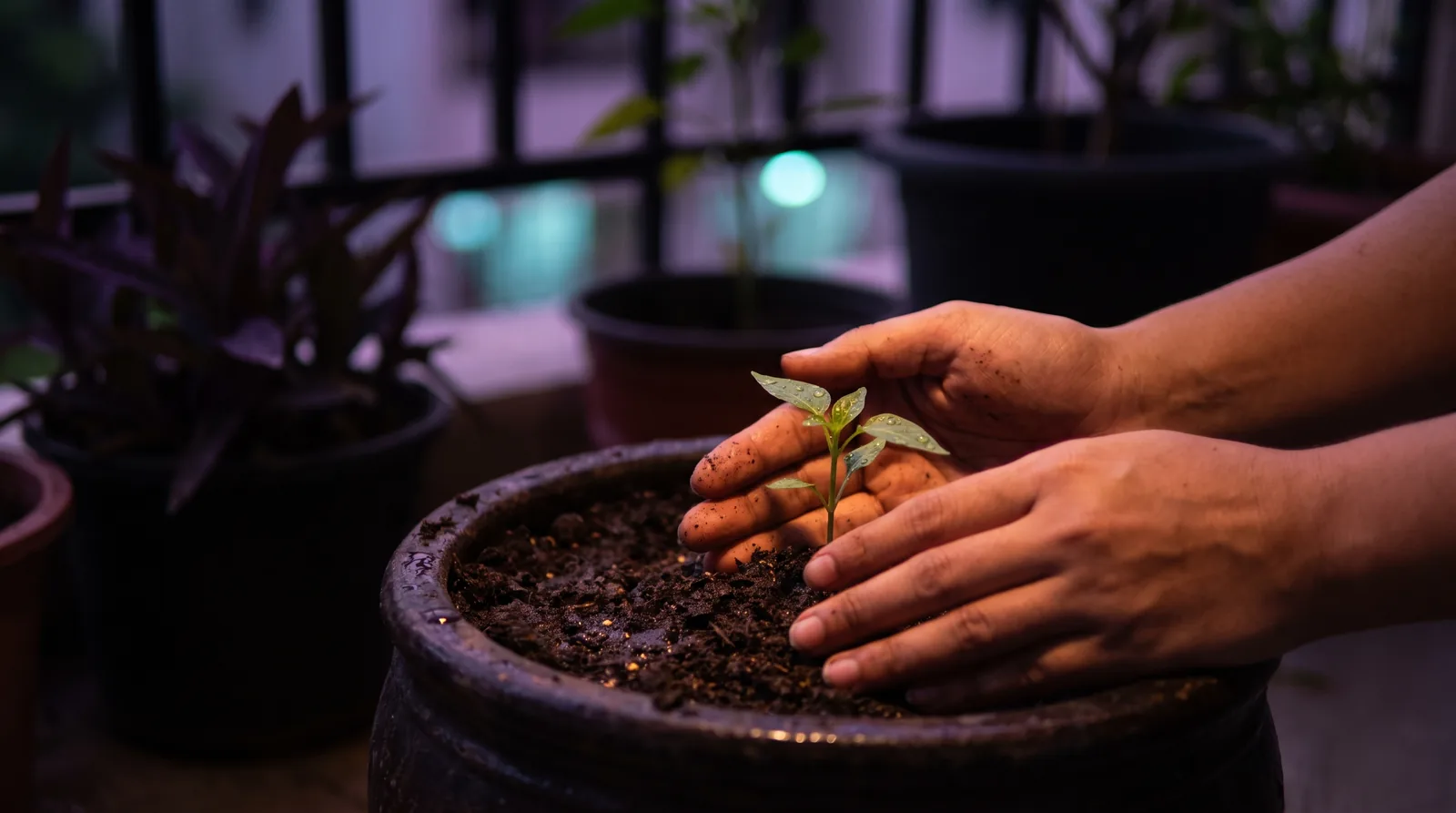
My grandmother kept a garden on a Shanghai balcony that was barely wide enough for two people to pass. Chives in a foam crate, a pot of jasmine, chili peppers she was more proud of than any of her children's report cards. Every morning she watered them before she spoke to anyone, and I understood, even as a child, that the watering was not really about the plants. It was the first quiet act of her day, a few minutes when her hands were busy and her mind was allowed to be still. Years later I learned that science has been slowly catching up to what balcony gardeners have always known: tending plants does something measurable and kind to the mind.
What the research actually shows
The most cited summary of the evidence is a 2017 meta-analysis by Masashi Soga, Kevin Gaston, and Yoshifumi Yamaura in the journal Preventive Medicine Reports. Pooling results across studies, they found that gardening was associated with reductions in depression, anxiety, and stress, along with increases in life satisfaction, quality of life, and sense of community. The authors concluded, plainly, that gardening is beneficial for health. What I find most encouraging in that paper is not the size of any single effect but the breadth: the benefits appeared across different kinds of people and different kinds of gardening, from allotments to indoor pots. You do not need land. You need a container, a living thing, and the habit of showing up for it.
Why soil slows the mind
Part of the answer is sensory. Gardening is one of the few remaining activities that occupies all the hands' intelligence at once: the crumble of potting soil, the resistance of a root ball, the exact weight of a watering can going light. Attention has somewhere concrete to live, and thoughts that were circling begin to land. Screens ask the eyes to do everything; a garden distributes the work across the fingers, the nose, the small muscles of the back. There is also the pace. A plant will not be hurried. Water it twice as much and it will not grow twice as fast; it will die. Working with something that keeps its own calendar loosens the grip of yours.
And there is the caretaking itself. An anxious mind turns inward, checking and rechecking its own alarms. A garden gives that vigilance a better job: are the leaves yellowing, is the soil dry a knuckle deep, is the new shoot leaning toward the window. It is worry, composted into attentiveness.
The rhythm matters as much as the touch. Watering is repetitive in the best sense, the same small circuit each morning, and repetition of this kind is where the mind loosens its grip. You do not have to decide anything. The sequence decides for you: check, water, turn, move on. In a day that will soon demand a hundred choices, those first choiceless minutes are a quiet luxury, and I suspect they are half of what my grandmother was actually growing out there.
A plant will not be hurried. Working with something that keeps its own calendar loosens the grip of yours.
Gardening as a patience practice
In my family the garden was also a teacher of waiting. My grandmother would say that the jasmine decides when it blooms, and our job was only to make blooming possible. That division of labor is the quiet lesson of all tending: effort and outcome are related but not identical, and the space between them is where patience grows. A seed germinates underground for days before anything shows. If you need visible progress to keep going, gardening will train that need out of you gently, one green millimeter at a time. This is the same lesson taught by kneading dough or raising a bonsai, but the garden adds a generosity all its own: it gives back scent, color, and occasionally something for the table.
Starting with one pot
If you have never gardened, do not begin with a plan for tomatoes. Begin with one pot and a plant that forgives. The practice matters more than the harvest:
- Choose something sturdy: chives, mint, a pothos, a snake plant. Early success builds the habit; rare plants punish beginners.
- Put it where you already spend time, a windowsill above the sink, a desk corner, so tending it attaches to an existing routine.
- Give it a fixed morning minute: check the soil with a finger, water only if dry, turn the pot a quarter turn toward the light.
- Touch the work. Repot with bare hands when you can; the texture is half the medicine.
- Let one plant become two only when the first has survived a season. A small garden kept is better than a large one abandoned.
The evening version
Morning is for watering; evening is for looking. A few unhurried minutes noticing what changed, a new leaf unrolling, a bud where there was none, makes a gentle bookend to the day. On nights when I am away from my plants, or the winter light has made the balcony bare, I keep the same ritual with Feelsy: slow textures that move at a plant's pace, with rain sounds underneath, watched the way my grandmother watched her jasmine, expecting nothing, noticing everything. The point, in both cases, is the same. The mind settles when it is given something alive and slow to care about.
Her chili peppers, for the record, were never actually very good. It did not matter. The garden was never really the harvest. It was the watering.
Feelsy is a wellness product, not medical advice. If stress, anxiety or sleep problems persist, please speak with a qualified professional.
References
- Soga, M., Gaston, K. J., & Yamaura, Y. (2017). Gardening is beneficial for health: A meta-analysis. Preventive Medicine Reports, 5, 92-99.
Frequently Asked Questions
Is gardening good for mental health?
Research suggests it is. A 2017 meta-analysis in Preventive Medicine Reports by Soga, Gaston, and Yamaura pooled results across studies and found gardening was associated with reduced depression, anxiety, and stress, and with higher life satisfaction and quality of life. The benefits appeared across many kinds of gardening, from allotments to indoor pots.
Why does gardening reduce stress and anxiety?
Gardening gives attention a concrete, sensory home: the texture of soil, the weight of a watering can, the visible state of the leaves. It redirects an anxious mind's vigilance toward useful caretaking, and it moves at a plant's pace, which cannot be hurried. Together these qualities slow racing thoughts in a way screens rarely do.
Can indoor plants help with anxiety like a garden does?
Yes. The research on gardening's benefits includes indoor and container growing, not just outdoor plots. One forgiving plant on a windowsill, checked and watered as a small daily ritual, offers the same core ingredients: sensory contact, caretaking, and a living thing that keeps its own calendar.
What is the best plant to start with for a beginner?
Choose something sturdy that forgives inconsistent care: chives, mint, a pothos, or a snake plant. Place it where you already spend time, tend it for one fixed minute each morning, and only expand to a second plant once the first has survived a season. Early success builds the habit; delicate plants punish beginners.
How much gardening do you need to feel a benefit?
The studies summarized in the 2017 meta-analysis covered a wide range of gardening styles and time commitments, and benefits were not limited to people with large gardens. A realistic starting point is a single pot and a daily minute of tending, treated as a small ritual rather than a chore, then growing the practice as it takes root.

About the author
Contributing writer
Mei grew up in Shanghai around tea that could not be hurried and grandmothers who considered stillness a skill. She writes about slow hands and sensory ritual: tea, calligraphy, qigong, and the quiet crafts that taught the world how to pay attention.
Feel it for yourself.
Feelsy turns reading about calm into practising it. Two minutes of a slow texture is often the whole difference.


Related reading
 Ancient Wisdom
Shinrin-Yoku: Why Forests Calm the Human Mind
Japan turned a walk in the woods into preventive medicine. The research behind forest bathing, what it does to stress physiology, and how to practise it without a forest.
 Ancient Wisdom
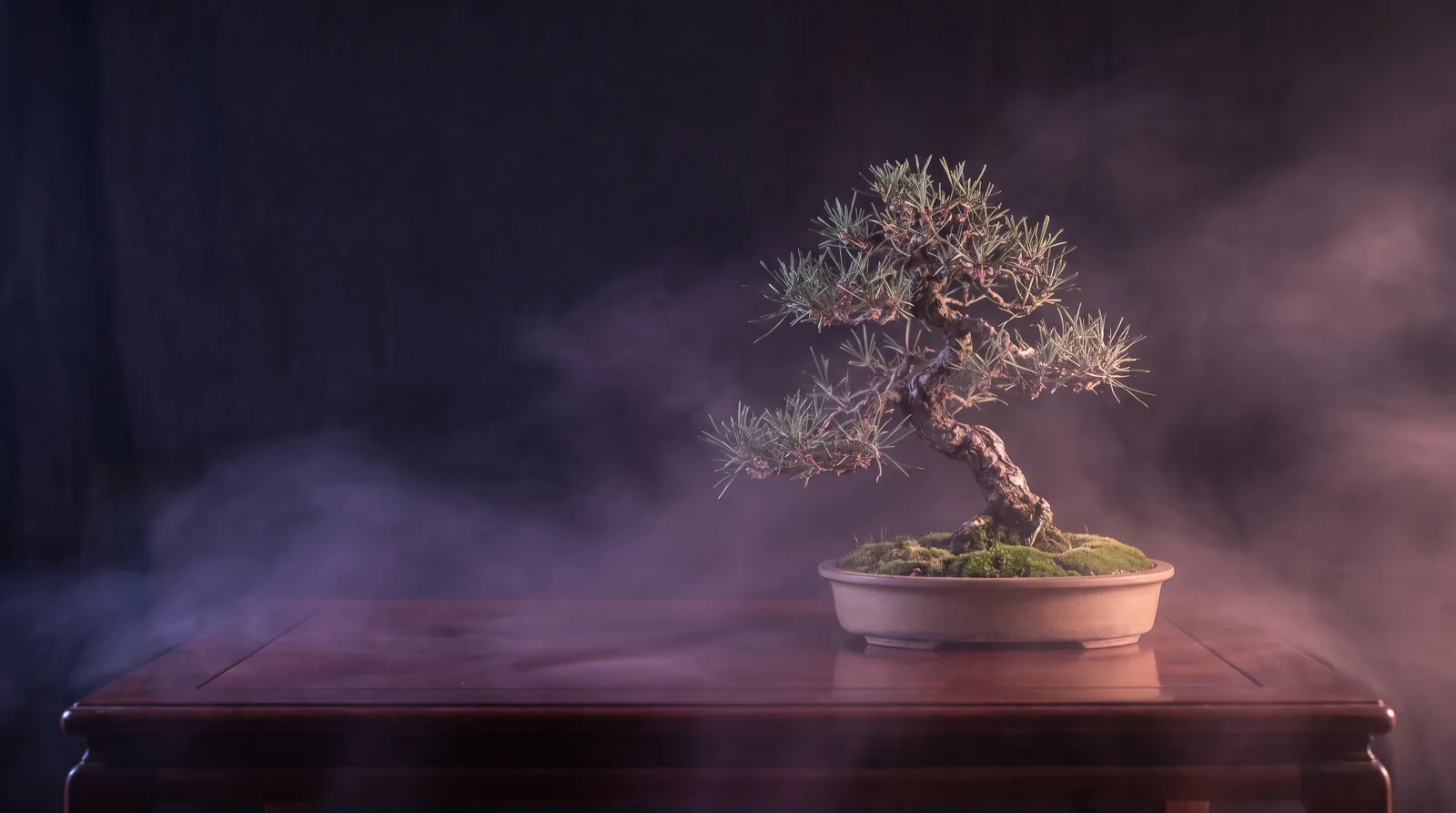
Bonsai and Penjing: The Slow Art of Growing Patience
Bonsai began as Chinese penjing: a landscape grown in a tray over decades. Why tending a miniature tree calms the mind, and how to begin without owning one.
 Breath & Body
Kneading Dough: Why Baking Bread Quiets the Mind
Baking as therapy is real: kneading dough gives restless hands rhythm, warmth and patience. Why bread calms the mind, plus a simple kneading meditation.
 Breath & BodyNew
Do Cold Showers Actually Work? A Skeptic Reads the Evidence
Cold showers are pitched as a cure for everything from low energy to weak character. Here's what the actual research says, and how to try one without the cult.
 Breath & BodyNew
Dopamine Detox: What It Gets Right and What It Gets Wrong
Dopamine detox promises a factory reset for your distracted brain. Here's what the neuroscience actually says, what helps, and what's just rebranded boredom.
 Breath & Body
How to Stop Overthinking: Quieting a Mind That Will Not Move On
Why overthinking loops and how to interrupt it: what rumination research shows, why you cannot argue with a spiral, and gentler ways to change the channel.