The Quiet Pleasure of Oddly Satisfying Videos
Why are oddly satisfying videos so satisfying? The psychology of perfect fits, clean sweeps and slow swirls, and how to turn watching into meditation.
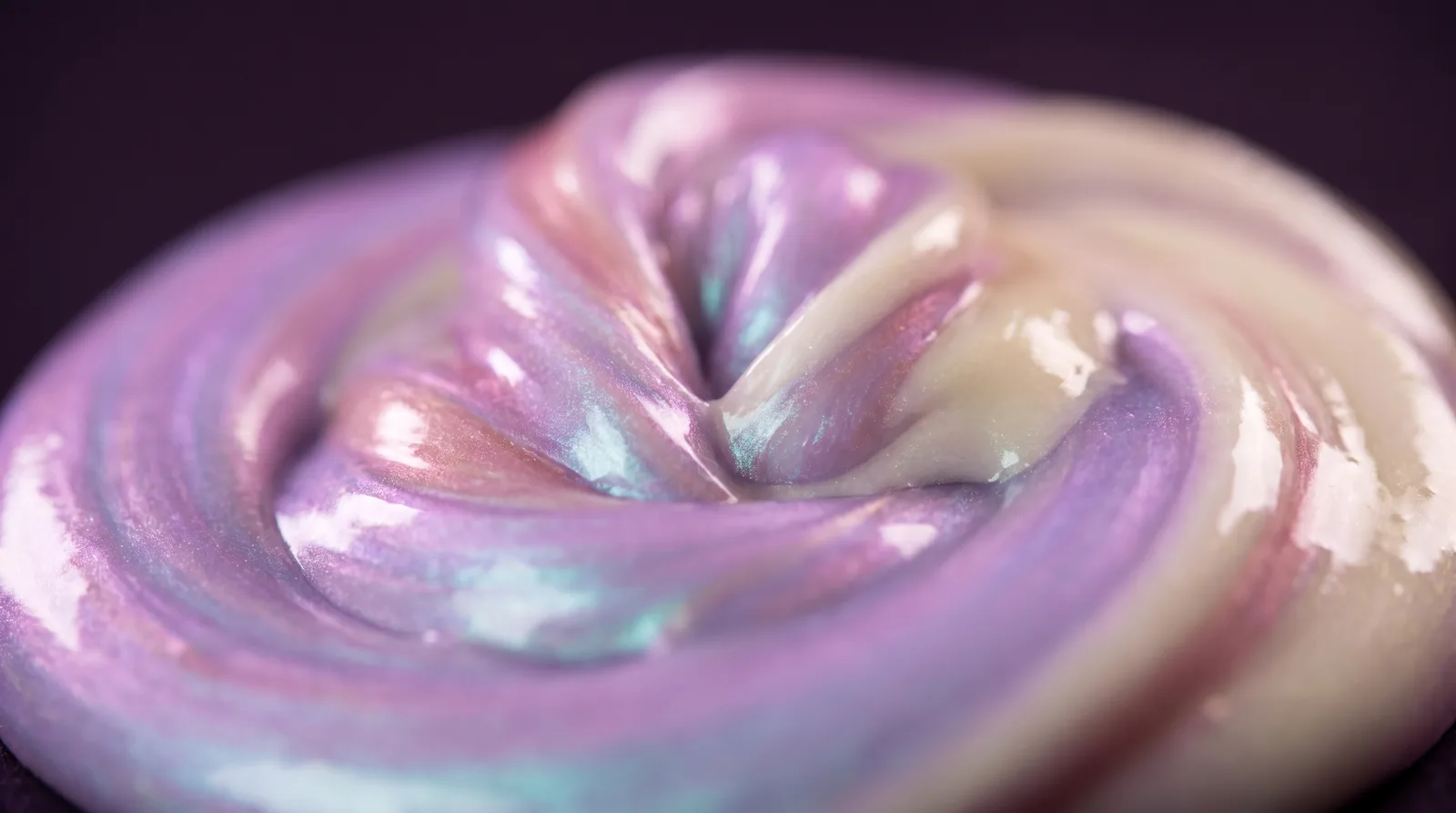
Somewhere on your phone, a stranger is power-washing a patio, and you cannot look away. A blade shaves a ribbon from a bar of soap. Kinetic sand yields to a knife in impossibly clean slices. Paint of two colours becomes, under a slow mixer, one. Nothing is at stake. Nothing is learned. And yet the label under which the internet files these clips, oddly satisfying, is one of the most quietly accurate phrases our era has produced. The satisfaction is real, and measurable in the sheer scale of the audience. The oddness is the interesting part: why should footage of order being restored to small physical systems feel this good?
A taxonomy of tiny completions
Watch enough of the genre, in a spirit of pure research naturally, and its species become clear. There are perfect fits: objects sliding into exactly-sized spaces. Clean sweeps: pressure-washing, window-wiping, the peeling of protective film in one unbroken sheet. Slow deformations: slime folded, dough kneaded, foam pressed. Symmetries: cake icing spun on a turntable, mandalas of coloured powder. And completions: the last tile laid, the final piece placed, the pattern resolved. What unites every species is the same underlying event: a small disorder, thoroughly and visibly resolved. The world, in one corner, for one moment, made exactly right.
Why the brain leans in
The best available explanation begins with prediction. The brain is, among other things, a forecasting engine: it spends its whole life guessing what happens next and checking the result. Most of daily life pays out these forecasts messily or not at all; the inbox never empties, the news never resolves. An oddly satisfying clip is a prediction that pays out perfectly, on schedule, every time. The film peels in one piece. The colours merge. The gap is exactly the size of the peg. Each completion is a tiny, frictionless confirmation that the world can be modelled, and the brain, which lives by modelling, finds this deeply reassuring in a way it does not bother to announce in words.
There is a physiology to the calm as well. Research on ASMR, the genre's whispering cousin, found that people who experience the response showed significantly lowered heart rates while watching, alongside increased feelings of calm and social connection (Poerio et al., 2018, PLoS ONE). Oddly satisfying content seems to occupy a neighbouring room in the same quiet house: not everyone gets tingles, but the slow pace, soft sounds and gentle resolution reliably down-shift an over-revved attention. It is stimulation, but stimulation shaped like rest.
An oddly satisfying clip is a prediction that pays out perfectly, on schedule, every time.
From snack to meditation
Here a distinction is worth drawing, because not all watching is equal. Consumed as a feed, thirty clips in four minutes, thumb always moving, oddly satisfying content becomes just another slot machine: each completion a small pull of the lever, the calm undone by the scrolling that chases it. The same material, taken slowly, becomes something else entirely: a genuine visual meditation. One texture, watched for five unhurried minutes, invites the breathing to fall into step with the motion on screen. The difference is not the content but the contract: are you grazing, or are you gazing?
This is the contract we tried to honour in Feelsy. The textures, cream folding into itself, orbs drifting, slime yielding and recovering, are built for the long watch rather than the quick hit: no cuts, no captions, nothing to tap. The autoplay mode strings them into one continuous, unhurried channel, so the thumb has nothing to do and the eyes can simply settle. Many people pair a texture with slow breathing, or use one as the landing strip at the end of the day: a few minutes of watching order restore itself, on a dimmed screen, before the lights go out.
Watching well
A few habits turn the genre from diversion into practice. Choose one clip or texture and stay with it past the first itch to move on; the settling happens in the second and third minute, after novelty has worn off and rhythm has taken over. Let the sound play quietly if you can, since much of the genre's calm lives in its soft acoustics. Notice, occasionally, what your breath is doing; it will usually have slowed to match the screen without being asked. And when you finish, finish: put the phone down on the final completion, rather than letting the feed carry you into the algorithm's less restful neighbourhoods.
There is something quietly humane about this smallest of genres. In a world that resolves nothing on schedule, we have built ourselves a library of tiny guaranteed endings, and we visit it nightly, the way earlier generations watched embers settle or waves repeat. The instinct is old; only the screen is new. Sailors watched wakes, farmers watched wheat move under wind, and whole villages once gathered to watch bread rise and butter turn, activities every bit as uneventful as a pressure-washed patio and every bit as absorbing. Watched slowly and left gracefully, these small completions do what good ritual has always done: they remind the nervous system that somewhere, reliably, things still come out right.
Feelsy is a wellness product, not medical advice. If stress, anxiety or sleep problems persist, please speak with a qualified professional.
References
- Poerio, G. L., Blakey, E., Hostler, T. J., & Veltri, T. (2018). More than a feeling: Autonomous sensory meridian response (ASMR) is characterized by reliable changes in affect and physiology. PLoS ONE, 13(6), e0196645.
Frequently Asked Questions
Why are oddly satisfying videos so satisfying to watch?
The brain is essentially a forecasting engine that spends its life predicting what happens next and checking the result, and most of daily life pays those forecasts off messily or not at all. An oddly satisfying clip is a prediction that pays out perfectly every time, like film peeling in one piece or a peg fitting exactly, which the brain finds deeply reassuring since it lives by modelling the world.
What are the common types of oddly satisfying content?
The article describes several categories: perfect fits, where objects slide into exactly-sized spaces; clean sweeps, like pressure-washing or peeling protective film; slow deformations, such as slime folding or dough kneading; symmetries, like spun cake icing; and completions, where a final piece resolves a pattern. What unites them all is a small disorder being visibly and thoroughly resolved.
Is watching oddly satisfying videos actually good for you, like meditation?
It depends on how you watch. Consumed as an endless scrolling feed, thirty clips in four minutes, it becomes just another slot machine that undoes any calm with constant scrolling. But watching one texture slowly for five unhurried minutes can become a genuine visual meditation, letting breathing fall into step with the motion on screen.
Is oddly satisfying content related to ASMR?
They're related but distinct. Research on ASMR found that people who experience the response show significantly lowered heart rates and increased calm and social connection while watching. Oddly satisfying content seems to occupy a neighbouring space: not everyone gets tingles, but the slow pace, soft sounds, and gentle resolution reliably help an over-revved attention downshift.

About the author
Contributing writer
Eleonor writes about contemplative traditions, attention and the cultural history of calm. She has spent two decades collecting the rituals humans use to slow down, from zazen halls to hammams, and translating them for modern, screen-lit lives.
Feel it for yourself.
Feelsy turns reading about calm into practising it. Two minutes of a slow texture is often the whole difference.


Related reading
 ASMR
ASMRWhy Slime Videos Are So Satisfying
There is a real reason your shoulders drop when you watch slime being folded and poked. A look at ASMR, soft fascination and the design of satisfying motion.
 ASMR
ASMRASMR, Explained: What Science Says About the Tingles
ASMR is more than a trend. Here is what the tingles are, who feels them, and what studies have measured about their effects on heart rate, mood and calm.
 Visual Meditation
The Five-Minute Reset: How to Calm Down When There's No Time
You don't need an hour of meditation to come down from a spike of stress. Research-backed ways to reset your nervous system in five minutes or less.
 ASMRNew
Why Is Bob Ross So Relaxing? The Science of Happy Little Brushstrokes
Bob Ross has been putting people to sleep for four decades, and he'd take that as a compliment. Here's the science of why his painting videos work like ASMR.
 ASMRNew
What Is 8D Audio? The Science Behind the Spinning Sound
8D audio pans music around your head using binaural tricks. Here's how the illusion works, why it feels immersive, and whether it helps you relax or focus.
 ASMR
ASMRWhy Paint Mixing Videos Are So Satisfying
Why paint mixing videos feel so satisfying: the slow science of swirls and folds, what ASMR research suggests, and how to watch them as a mini meditation.