Phantom Phone Vibrations: Why You Feel Buzzes That Aren't There
Most phone users have felt a buzz that never happened. What phantom vibration research found, why an alert brain invents signals, and how to quiet the ghost.
By Kurt Woleret
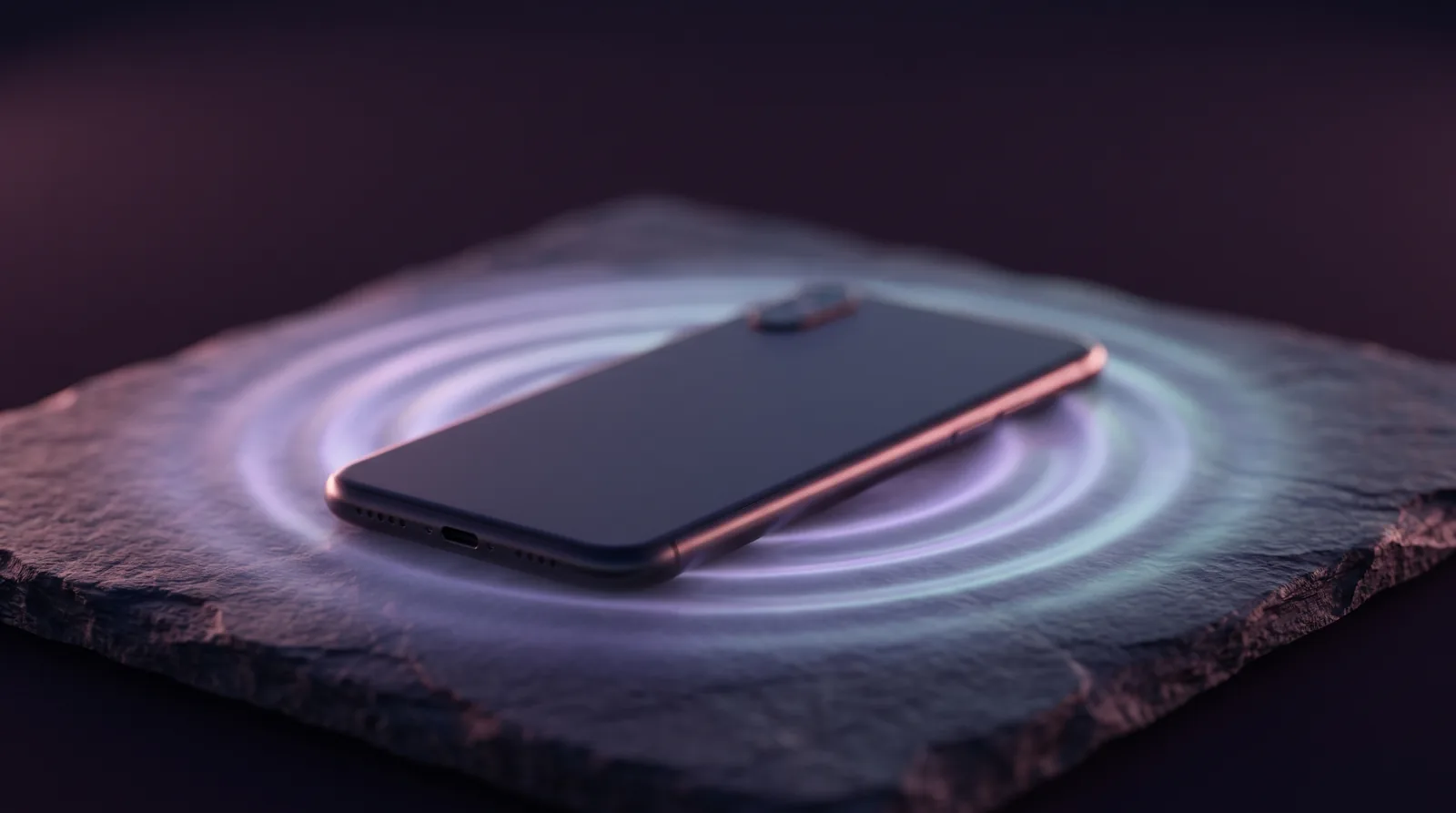
The thigh buzz. You feel it, clear as anything, reach for your phone, and find a dark screen and no notification. Nothing. The phone didn't buzz. Your leg invented it. If this has happened to you on the subway, in a meeting, or with the phone in the other room entirely, welcome to one of the most common hallucinations in modern life.
Yes, it's been studied
The phenomenon has a clinical-sounding name, phantom vibration syndrome, and real numbers behind it. In a survey of medical staff at a Massachusetts hospital, 68 percent reported feeling phantom vibrations from their pagers or phones, and 13 percent felt them daily (Rothberg et al., 2010, BMJ). The sensations were more common in people who carried the device longer, used vibrate mode more, and kept it in a chest pocket rather than on a belt.
Note the population: doctors and nurses, people whose devices page them about genuinely urgent things. That detail matters, because it points straight at the mechanism.
A detector tuned too hot
Your brain is a prediction machine running a constant background question: did something important just happen? When a signal matters to you, missing it feels costly, so the detector gets biased toward false alarms. A nerve twitch, fabric shifting against your leg, a muscle flicker: ambiguous noise gets rounded up to the thing you're waiting for. The brain would rather ring the bell twice than miss the call once.
That's why the hospital staff felt more ghost buzzes the more their devices actually mattered. And it's why your phantom buzzes cluster in exactly the stretches when you're waiting on a reply, a delivery, or bad news. The ghost vibration is an expectation wearing a costume.
A phantom buzz is your attention, billed in advance.
Is it harmful?
Mostly no. In the hospital survey, only a small minority found the sensations bothersome, and researchers generally treat the phenomenon as benign. I'd still argue it's informative. A body that invents notifications is a body that has filed your phone under 'things that might matter at any second.' That's a reasonable setting for an on-call resident. It's a questionable one for the rest of us, whose buzzes are mostly a group chat deciding where to eat.
Quieting the ghost
- Cut vibrate mode for the low-stakes hours. The survey itself found stopping vibrate use was among the most effective fixes people tried.
- Move the phone: a bag instead of a pocket, the desk instead of your thigh. Less skin contact, fewer ambiguous signals to misread.
- Trim which apps may buzz at all. A vibration that only ever means a human you care about recalibrates the detector fast.
- Give your hands and attention something slower. A couple of minutes with a texture in Feelsy, or one round of the 4-7-8 exercise, is a decent trade for the eleventh phantom check of the afternoon.
The quiet experiment
Try this for one week: phone on silent-no-vibrate for two chosen hours a day, somewhere off your body. The first days, you'll feel ghost buzzes anyway, which is the detector showing you its settings. By the end of the week, most people notice the phantoms thinning out, because the brain stops budgeting attention for a signal that no longer arrives. The buzz was never in your leg. It was in the forecast. Change the forecast, and the ghost mostly packs up.
Feelsy is a wellness product, not medical advice. If stress, anxiety or sleep problems persist, please speak with a qualified professional.
References
- Rothberg, M. B., Arora, A., Hermann, J., Kleppel, R., St Marie, P., & Visintainer, P. (2010). Phantom vibration syndrome among medical staff: A cross sectional survey. BMJ, 341, c6914.
Frequently Asked Questions
What is phantom vibration syndrome?
Phantom vibration syndrome is feeling your phone or pager buzz when it didn't. In a BMJ survey of medical staff, 68 percent reported experiencing phantom vibrations and 13 percent felt them daily, making it one of the most common perceptual quirks of modern device use.
Why do I feel my phone vibrate when it didn't?
Your brain constantly predicts whether an important signal just arrived, and when missing a buzz feels costly, the detector is biased toward false alarms. Ambiguous sensations, like fabric shifting or a small muscle twitch, get rounded up into the vibration you were half expecting. The hospital survey found phantom buzzes were more common in people who carried their device longer and relied on vibrate mode more.
Are phantom phone vibrations dangerous?
Generally no. In the research, only a small minority of people found the sensations bothersome, and the phenomenon is treated as benign. It's best read as information: your nervous system has filed your phone as something that might matter at any second, which you can recalibrate if you'd rather it didn't.
How do I stop phantom phone vibrations?
Reduce the inputs that feed the false alarms: turn off vibrate mode during low-stakes hours, carry the phone off your body in a bag or on a desk, and limit which apps are allowed to buzz. In the survey, stopping vibrate use was among the most effective fixes. Most people notice the phantom sensations thin out within days once the expected signal stops arriving.

About the author
Contributing writer
Kurt is a New York based writer covering the practical science of stress, sleep and focus. He is the resident sceptic of the Journal: if a technique cannot survive a crowded subway commute and a deadline week, he is not interested in it.
Feel it for yourself.
Feelsy turns reading about calm into practising it. Two minutes of a slow texture is often the whole difference.


Related reading
 ASMR
ASMR, Explained: What Science Says About the Tingles
ASMR is more than a trend. Here is what the tingles are, who feels them, and what studies have measured about their effects on heart rate, mood and calm.
 ASMR
Why Popping Bubble Wrap Is So Satisfying
Popping bubble wrap measurably calms people, and a 1992 study showed it. The psychology of the pop, why your hands crave it, and digital stand-ins that work.
 Visual Meditation
Meditation for People Who Can't Meditate
If sitting still with your eyes closed feels impossible, you are not broken. Here is a gentler on-ramp built around senses, movement and very small doses.
 ASMR
Video Game Music for Focus: Why Boss Fight Composers Beat Your Study Playlist
Why video game music helps you focus: it's composed to keep you engaged for hours without stealing attention. How to use soundtracks for deep work.
 ASMR
The Mozart Effect: How One Small Study Launched a Thousand Baby CDs
One 1993 study convinced the world that Mozart raises IQ. What the research actually found, what the meta-analysis says, and what music really does for focus.
 ASMR
The Cocktail Party Effect: How You Hear One Voice in a Crowd
The cocktail party effect lets your brain tune into one voice in a noisy room, and snap to your own name across it. The science of auditory attention.