Why Watching Snow Fall Is So Calming: The Science of the Hush
Snow hushes the street, slows the eye and settles a busy mind. Here is the science of why watching snow fall is so calming, and how to make it a practice.
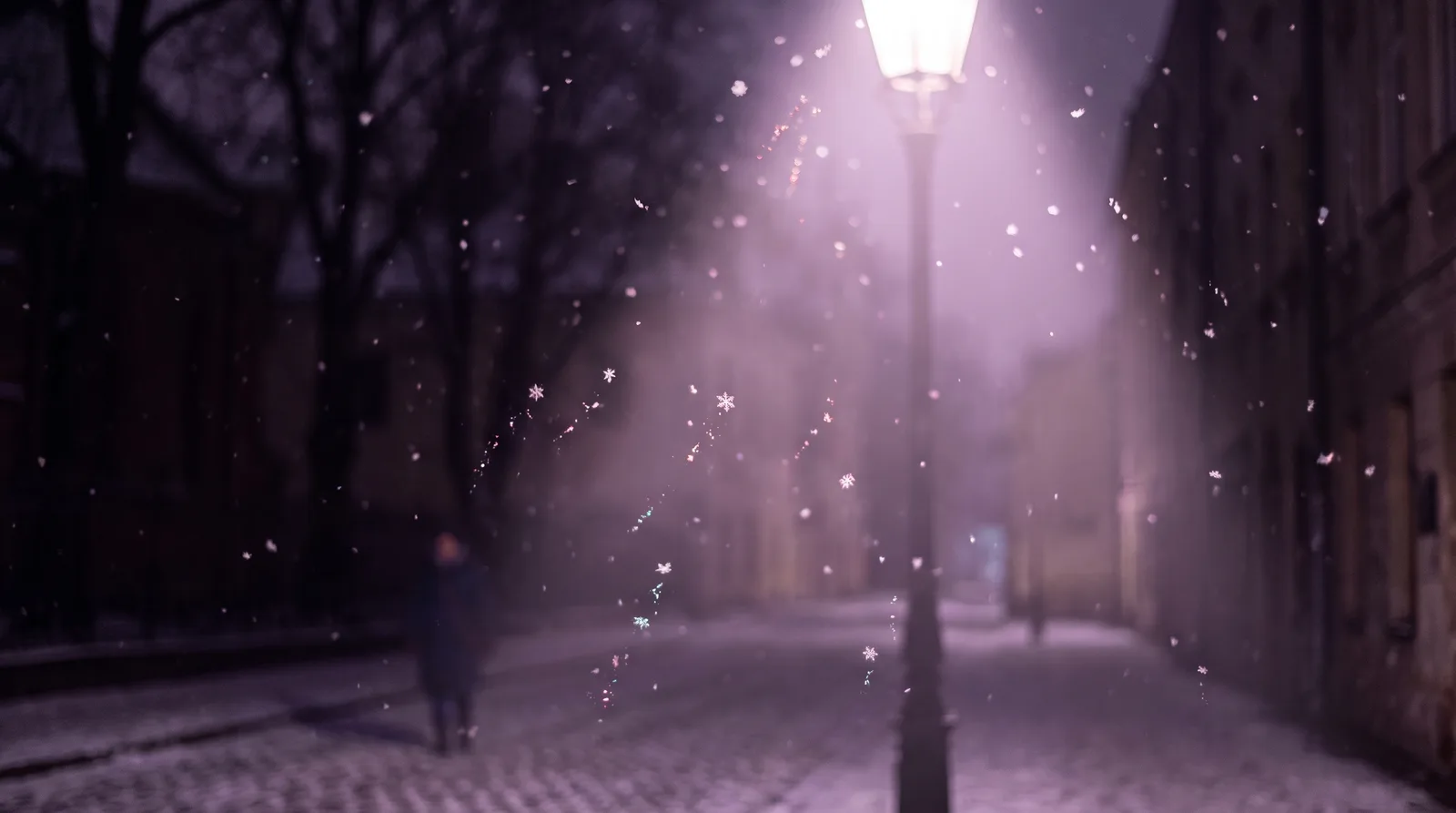
There is a moment, familiar to anyone who has lived through a proper winter, when you glance up from whatever you were doing and realise it has begun to snow. Whatever you were doing loses the argument. You go to the window. The street you have seen ten thousand times is being gently revised, edge by edge, and the usual soundtrack of traffic and footsteps has dropped away as though someone had turned down the world's volume. People who feel no pull towards meditation whatsoever will stand at a window watching snow for ten unbroken minutes, which is longer than most beginners manage on a cushion. It is worth asking what the snow is doing that the cushion is not.
The quietest weather
Part of the answer is acoustic, and rather lovely. Fresh snow is not a solid blanket but a lattice: each flake is a delicate crystal, and when billions of them settle loosely together the result is a deep layer full of tiny air pockets. Sound waves that would normally bounce off tarmac and pavement wander into those pockets and are absorbed, the way a thick curtain swallows an echo. A city under new snowfall is measurably quieter than the same city an hour before, and the ear notices the difference immediately, even if the mind cannot name it. We spend our lives inside a low ambient roar we have stopped hearing; snow removes it, and the removal registers as relief.
There is a visual hush to match the audible one. Snow simplifies. It lays one soft colour over a scene that normally clamours in dozens, rounds the hard edges of bins and railings, and hides the parked cars' chrome. The visual system, which spends its waking hours parsing clutter, is briefly handed a scene with far less to parse. Painters have always understood this; a snow scene is one of the few subjects where leaving most of the canvas empty is not laziness but accuracy.
Soft fascination, falling gently
The deeper mechanism, though, is the falling itself. Environmental psychologists have a name for the particular way natural scenes hold the eye: soft fascination. The term comes from attention restoration theory, developed by Stephen Kaplan, which distinguishes between the hard, effortful attention we spend on tasks and the effortless kind that certain stimuli invite: leaves moving, water flowing, clouds crossing a sky (Kaplan, 1995, Journal of Environmental Psychology). Softly fascinating scenes are interesting enough to occupy attention but not so demanding that they exhaust it, and in that gentle occupation the overworked, deliberate attention we use all day is allowed to rest and refill.
Snowfall may be the purest example of soft fascination the sky produces. A snowflake does not fall so much as negotiate its way down, drifting, hesitating, taking a sudden sideways excursion for no reason the eye can find. The scene is endlessly various, since no two flakes take the same route, yet utterly without stakes; nothing in it needs you. The mind settles on to it the way it settles on to a fire or an aquarium, with the important difference that snow is slower than either. Watching it, your attention is fully employed and completely unburdened at once, which is more or less the state meditation teachers spend years trying to describe.
A snowflake does not fall so much as negotiate its way down. The scene is endlessly various, yet nothing in it needs you.
The world made slow
There is also, I suspect, a quieter psychology underneath. Snow imposes a tempo. When it falls, the city visibly downshifts: cars crawl, pedestrians shorten their strides, plans are cancelled with a guilty pleasure nobody quite admits to. The snow day is one of the last socially sanctioned pauses left to us, a permission slip written in weather. Even watching snow somewhere it will not settle, you feel the offer being made: nothing that matters can be hurried right now. The nervous system, which takes its cues about urgency from the environment far more than we like to think, reads a snowfall as a verdict that the emergency has been postponed.
And snow points backwards, for most of us, to childhood, when its arrival was unambiguous good news. Few sights carry so little accumulated dread. Rain can mean ruined plans and grey moods; wind unsettles; but snow, at least while it is falling, tends to arrive with its old associations of cancelled school and altered rules intact. We watch it partly because we once watched it with delight, and the body remembers.
How to watch snow properly
If snow is going to fall anyway, it may as well be practised upon. The method is hardly a method at all. Go to the window, or better, step outside where the acoustic hush can reach you. Find a streetlamp or a lit window and watch the cone of light, where the flakes become individually visible; this is the snow-watcher's equivalent of a candle flame. Pick one flake high up and follow it all the way down, then another. When the mind wanders to the pavement that will need clearing, notice that, and return to the next flake. Ten minutes of this is a complete visual meditation, no instruction required beyond the weather's.
Those of us in mild climates, or mild months, are not entirely out of luck. The qualities that make snowfall soothing, slow descent, soft light, endless unrepeating variation, can be found in other slow drifts: dust in a sunbeam, blossom in April, the unhurried particle textures I sometimes let Feelsy play on autoplay through a winterless December evening, snow's gentler cousins drifting across a dark screen. None of them hushes the street. But the eye hardly minds, and the practice is the same: watch one small falling thing all the way down, and let the rest of the evening fall with it.
Feelsy is a wellness product, not medical advice. If stress, anxiety or sleep problems persist, please speak with a qualified professional.
References
- Kaplan, S. (1995). The restorative benefits of nature: Toward an integrative framework. Journal of Environmental Psychology.
Frequently Asked Questions
Why does everything sound quieter when it snows?
Fresh snow is a loose lattice of ice crystals full of tiny air pockets, and those pockets absorb sound waves rather than reflecting them, much as a thick curtain swallows an echo. A city under new snowfall is measurably quieter than the same city an hour earlier, and the sudden drop in the ambient roar we normally tune out registers as a feeling of relief.
Why is watching snow fall so relaxing?
Snowfall is a near perfect example of what attention restoration theory calls soft fascination: a scene interesting enough to hold the eye but too gentle to tire it. Each flake drifts down on its own unrepeating route, so the scene stays endlessly various while demanding nothing from you, which lets effortful, task-focused attention rest and recover.
How do you meditate on falling snow?
Go to a window or step outside, find a streetlamp or lit window, and watch the cone of light where individual flakes become visible. Choose one flake high up and follow it all the way down, then choose another. When the mind wanders, simply return to the next flake. Ten minutes of this is a complete visual meditation.
What can you watch instead of snow in warmer months?
The soothing qualities of snowfall are slow descent, soft light and endless variation, and other slow drifts share them: dust moving through a sunbeam, blossom falling in spring, or slow particle textures drifting across a dark screen, such as those in the Feelsy app. The practice is the same: follow one small falling thing all the way down.

About the author
Contributing writer
Eleonor writes about contemplative traditions, attention and the cultural history of calm. She has spent two decades collecting the rituals humans use to slow down, from zazen halls to hammams, and translating them for modern, screen-lit lives.
Feel it for yourself.
Feelsy turns reading about calm into practising it. Two minutes of a slow texture is often the whole difference.


Related reading
 Visual Meditation
Why Watching Fire Is So Calming
Why is watching fire so relaxing? The science of flames, flicker and fireside calm, and how to borrow the campfire effect from a screen on an ordinary night.
 Visual Meditation
Cloud Watching: The Easiest Meditation There Is
Why drifting clouds restore tired attention when screens cannot: the science of soft fascination, and how to practise the art of looking up.
 ASMR
ASMRWhy the Sound of Rain Is So Calming (and So Good for Sleep)
Why rain sounds help you sleep: the acoustics of rainfall, what research says about natural sound and stress, and how to use rain well at bedtime.
 Visual MeditationNew
Highway Hypnosis: Why You Can't Remember the Last Ten Miles
You arrive at your exit with no memory of driving there. Highway hypnosis is real and common: here's the science of the road trance and how to use it safely.
 Visual Meditation
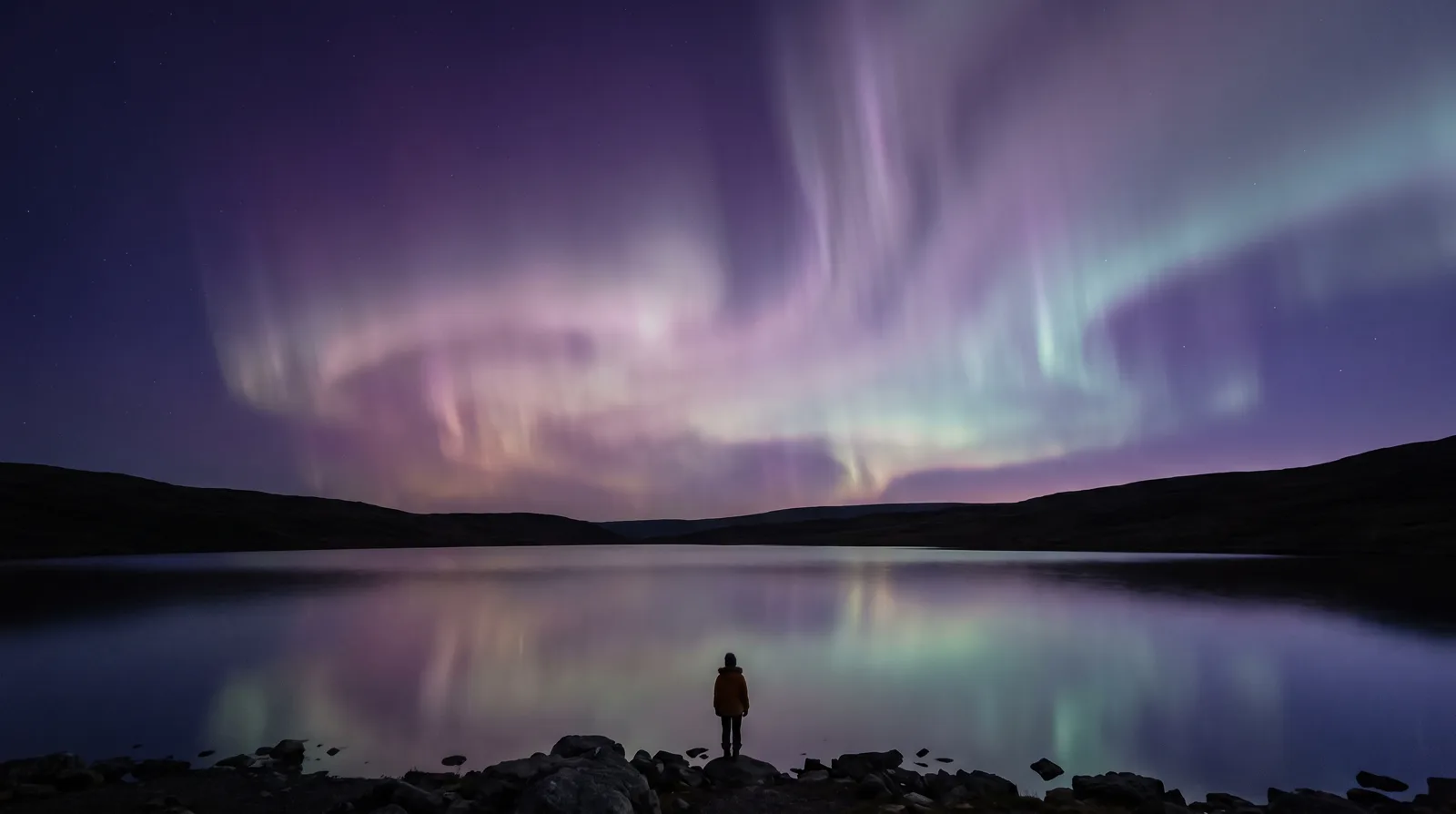
Why the Northern Lights Mesmerise Us: Aurora Watching as Visual Meditation
What causes the northern lights, why the aurora feels so calming to watch, and how to turn sky watching into a simple visual meditation practice.
 Visual Meditation
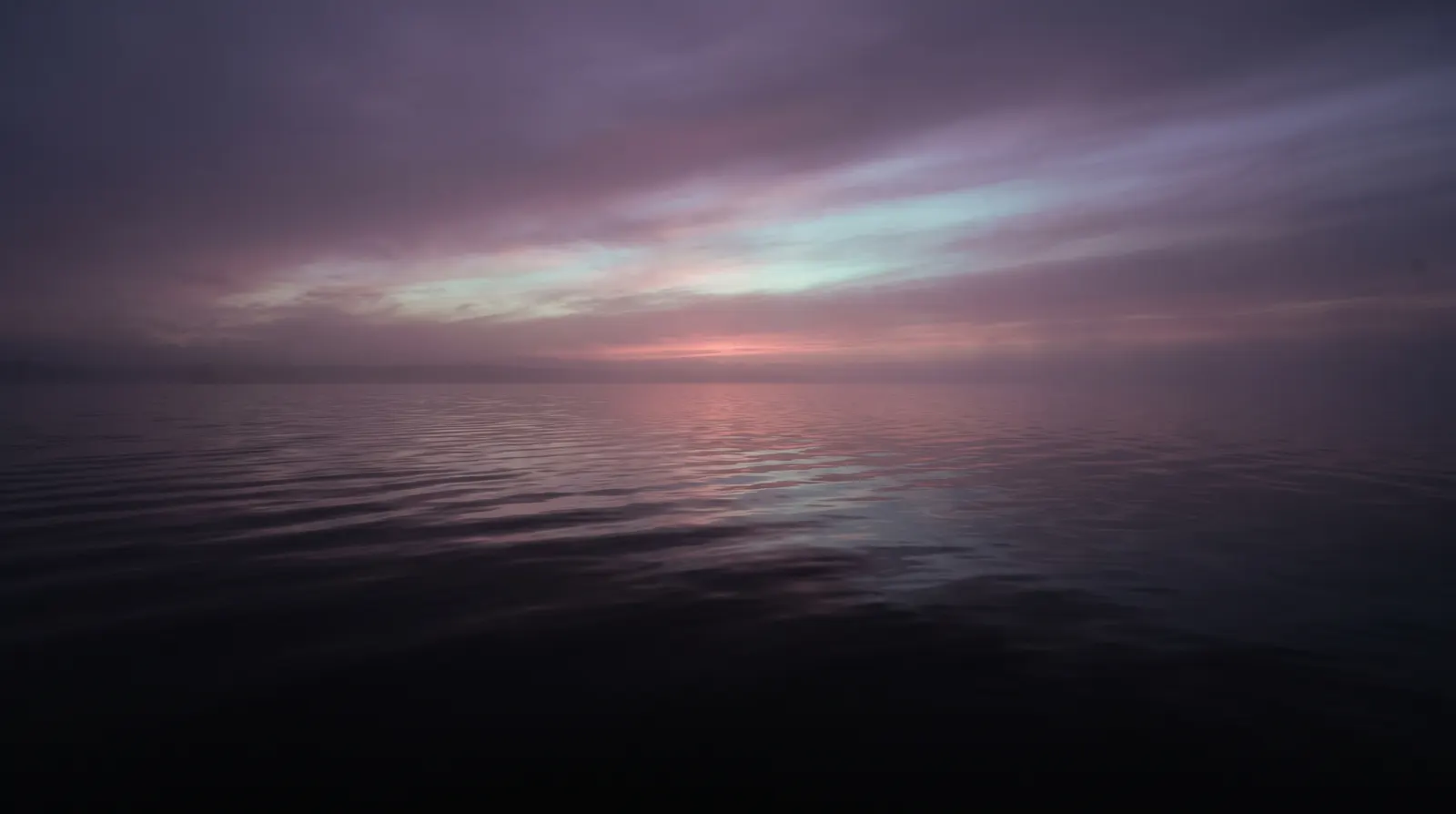
Blue Mind: Why Being Near Water Calms the Brain
What blue mind theory says about why oceans, lakes and rivers soothe us: the research on blue space, water's pull on the eye, and how to use it daily.