Apricity: The Forgotten Pleasure of Winter Sun
Apricity is a forgotten English word for the warmth of the sun in winter. Here is why a few minutes of low winter sunlight can soften the darkest months.
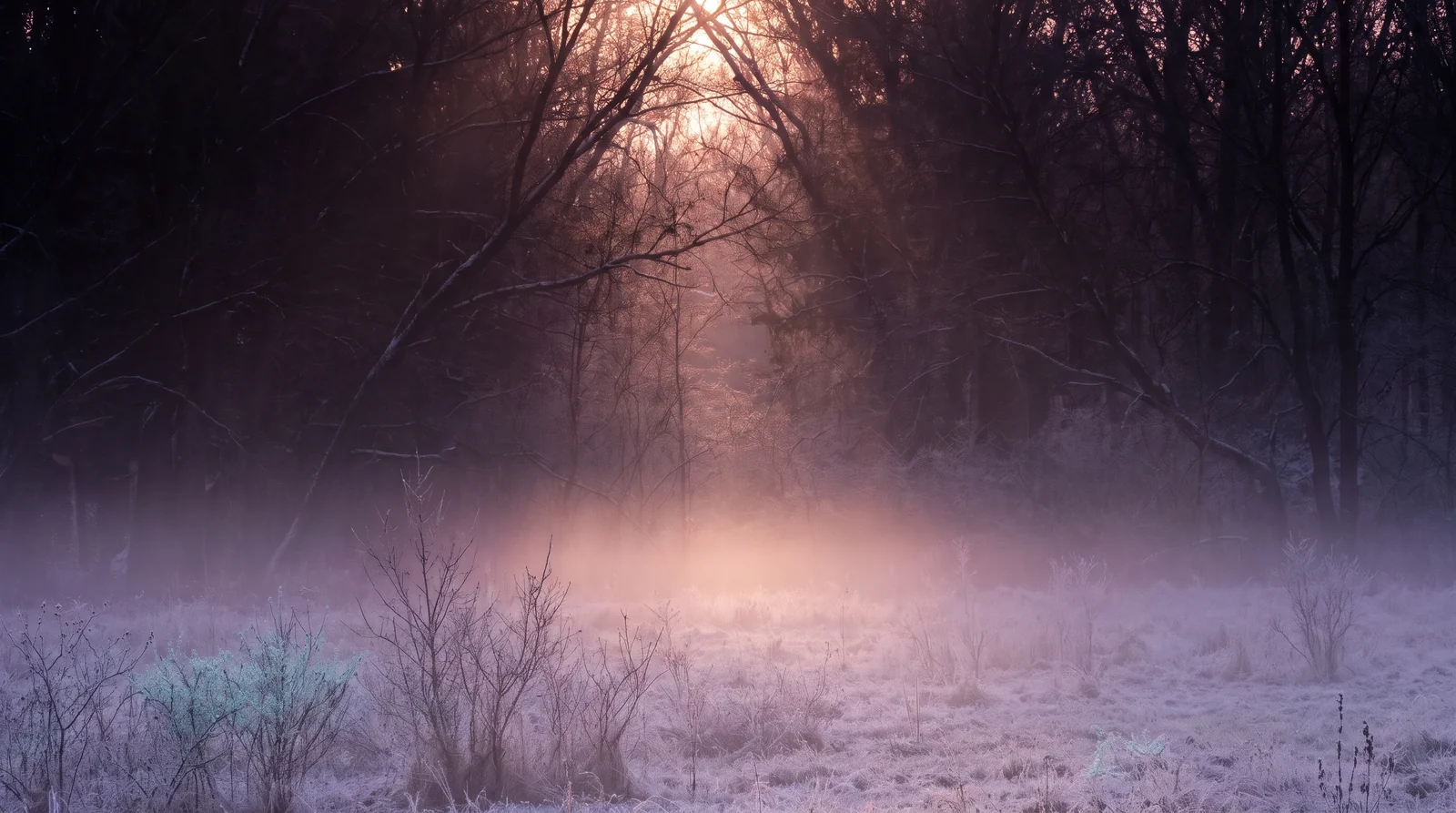
English once had a word for one of the smallest and most exquisite pleasures available to a human being: the warmth of the sun in winter. Apricity. It appears in Henry Cockeram's dictionary of 1623 and then, having barely drawn breath, slips out of use almost entirely. The cat asleep in the one bright parallelogram on the carpet knows the word's meaning perfectly. So does anyone who has stepped out of a cold shadow into December sunlight and stopped, mid-errand, eyes closed, for no reason they could defend in a meeting.
It is worth rescuing the word, because the thing it names is not a trivial comfort. Winter sun is scarce, brief and disproportionately kind to both mood and body, and a season that many people merely endure can be measurably softened by the deliberate pursuit of it. Apricity, practised rather than stumbled into, is one of the cheapest forms of self-kindness there is.
Why winter light hits differently
The warmth is only half of it. Light itself does chemical work. Researchers in Melbourne, sampling blood from veins draining the brain, found that the brain's turnover of serotonin, a neurotransmitter central to mood, was lowest in winter and rose directly with the day's hours of bright sunlight, changing with the weather on the very day of sampling (Lambert et al., 2002, The Lancet). The finding put numbers to something people have always reported: that a bright winter day feels different from a grey one not just aesthetically but from the inside.
Winter is precisely when this machinery runs short of fuel. Days shrink, skies flatten, and much of the remaining light is spent on the far side of office glass. The sunlight that does come is low, raking and often beautiful, but it must be gone out and met. The sun in January does not visit; it receives.
The sun in January does not visit; it receives.
The connoisseurship of a scarce thing
There is a paradox at the heart of apricity: winter sun is objectively weaker than summer sun, and subjectively far more precious. Nobody writes poems about the warmth of the sun in July; it is simply weather. The same warmth in January is an event. Scarcity does for sunlight what it does for everything else, and the dark months, oddly, are when the sun is most capable of delighting us.
The old world understood this and built for it. South-facing benches against church walls, where stone gathers and returns the afternoon's heat. Walled gardens angled to trap the low light. The word apricity itself comes from the Latin apricus, meaning open to the sun, a quality people once listed when describing a good spot as though it were running water. This was connoisseurship: a precise, cultivated appreciation of exactly where and when the thin winter sun could be caught and savoured.
How to practise apricity
The practice is almost insultingly simple, which is perhaps why it needs defending: in winter, when the sun appears, you stop what you are doing and go and stand in it. A few refinements earn their keep. Morning light is worth the most; taking your first minutes of sun early, ideally with your coffee by a bright window or better still outside the door, helps anchor the body clock that winter otherwise lets drift. Ten or fifteen minutes is a worthwhile dose, and a cold, bright day counts double, because the chill makes the warmth legible. Find your own apricus spots, the bus stop that catches the eleven o'clock light, the sheltered corner of the park, the one chair at home the afternoon reaches, and use them the way the cat does, without apology. Eyes closed, face tilted, the light doing its slow work through the lids: it is a form of basking, and basking, despite its reputation, is a practice.
Treat the forecast as an appointments diary. If tomorrow offers two bright hours, decide tonight where you will spend ten of those minutes. This sounds excessive until you remember how few sunlit intervals a northern winter actually contains. They are not background; they are the season's small currency, and they can be spent or lost.
For the sunless days
And then there are the other days, the lid-of-a-saucepan days when the sun never properly arrives. On those, the practice becomes inward. Warm light can be kept the way the walled gardens kept it: a lamp pooling amber in a dim room, a candle, and a few minutes of slow, warm visuals. The glowing textures in Feelsy lean into exactly this register, honeyed roses and ambers drifting against the dark, and pairing a few minutes of them with the app's 4-7-8 breathing exercise makes a small deliberate hearth of the evening: light for the eyes, a slow count for the breath. It is not sunlight and does not claim its chemistry, but it keeps the ritual of warmth alive until the real thing returns.
A word worth keeping
Languages lose words when people stop finding the things they name worth mentioning, and the loss of apricity says something slightly damning about us: we stopped noticing. The remedy is not linguistic but practical. This winter, when the light comes, go out and be received. Stand in the thin gold for ten minutes with no better justification than the cat has. The word will look after itself once the habit is back.
Feelsy is a wellness product, not medical advice. If stress, anxiety or sleep problems persist, please speak with a qualified professional.
References
- Lambert, G. W., Reid, C., Kaye, D. M., Jennings, G. L., & Esler, M. D. (2002). Effect of sunlight and season on serotonin turnover in the brain. The Lancet, 360(9348), 1840–1842.
Frequently Asked Questions
What does apricity mean?
Apricity is a rare English word meaning the warmth of the sun in winter. It appears in Henry Cockeram's dictionary of 1623 and comes from the Latin apricus, meaning open to the sun. The word fell out of use almost immediately, though the pleasure it names is familiar to anyone who has stepped from cold shadow into December sunlight.
Does winter sunlight really affect your mood?
Light does measurable chemical work. Researchers in Melbourne found that the brain's turnover of serotonin, a neurotransmitter central to mood, was lowest in winter and rose directly with the day's hours of bright sunlight, varying with the weather on the day of sampling. A bright winter day feels different from a grey one from the inside, not just aesthetically.
How much winter sun should I try to get?
Ten or fifteen minutes at a time is a worthwhile dose, and morning light is worth the most because it helps anchor the body clock that winter otherwise lets drift. A cold, bright day counts double, since the chill makes the warmth easier to feel. Treat the forecast like an appointments diary and decide the night before where you will spend a bright interval.
What can I do on days with no sun at all?
Keep the ritual of warmth alive indoors. A lamp pooling amber light in a dim room, a candle, or a few minutes of slow, warm visuals paired with unhurried breathing can hold the same register of warmth and stillness until the real sun returns. It is not sunlight and does not claim its chemistry, but the habit itself steadies the dark months.

About the author
Contributing writer
Eleonor writes about contemplative traditions, attention and the cultural history of calm. She has spent two decades collecting the rituals humans use to slow down, from zazen halls to hammams, and translating them for modern, screen-lit lives.
Feel it for yourself.
Feelsy turns reading about calm into practising it. Two minutes of a slow texture is often the whole difference.


Related reading
 Sleep
Morning Sunlight: The Cheapest Sleep Aid You're Not Using
Morning sunlight is the strongest signal your body clock gets all day. What the camping study showed, why window light falls short, and how to use it right.
 Sleep
Why You're So Tired in Winter (and What Actually Helps)
Winter tiredness is real: less light, a confused body clock, and research showing we need more sleep in the dark months. What helps, backed by evidence.
 Visual Meditation
Komorebi: The Japanese Word for Sunlight Through Leaves, and Why It Calms the Mind
Komorebi is the Japanese word for sunlight filtering through leaves. Here is what the word holds, why dappled light soothes the brain, and how to practise it.
 Visual MeditationNew
Momijigari: The Japanese Art of Autumn Leaf Viewing
Momijigari is the old Japanese tradition of travelling to see autumn leaves. Here is why fiery foliage calms the mind, and how to practise it anywhere.
 Visual MeditationNew
Why Libraries Feel So Calming
Step into a library and your shoulders drop. Here is the psychology of hush, tall shelves and shared silence, and how to borrow that feeling for your rooms.
 Visual Meditation
Boketto: The Japanese Art of Gazing at Nothing
Boketto is the Japanese word for gazing vacantly into the distance, thinking of nothing. Here is why this idle, gentle habit deserves a place in your day.