Why Watching the Sunset Is Good for You
Why sunsets capture us so completely, what awe research says about watching the evening sky, and how a few minutes of colour can quiet a racing mind.
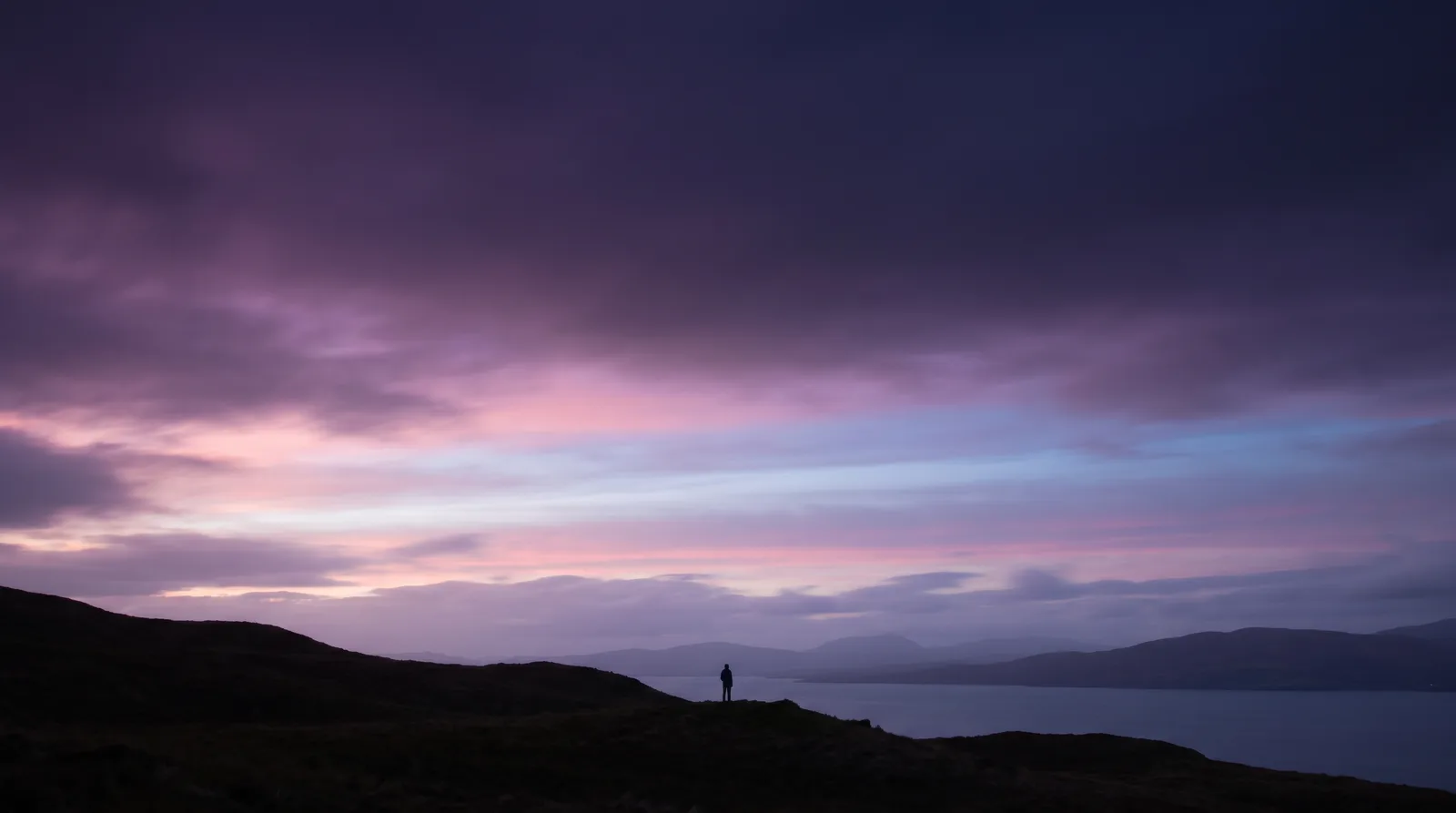
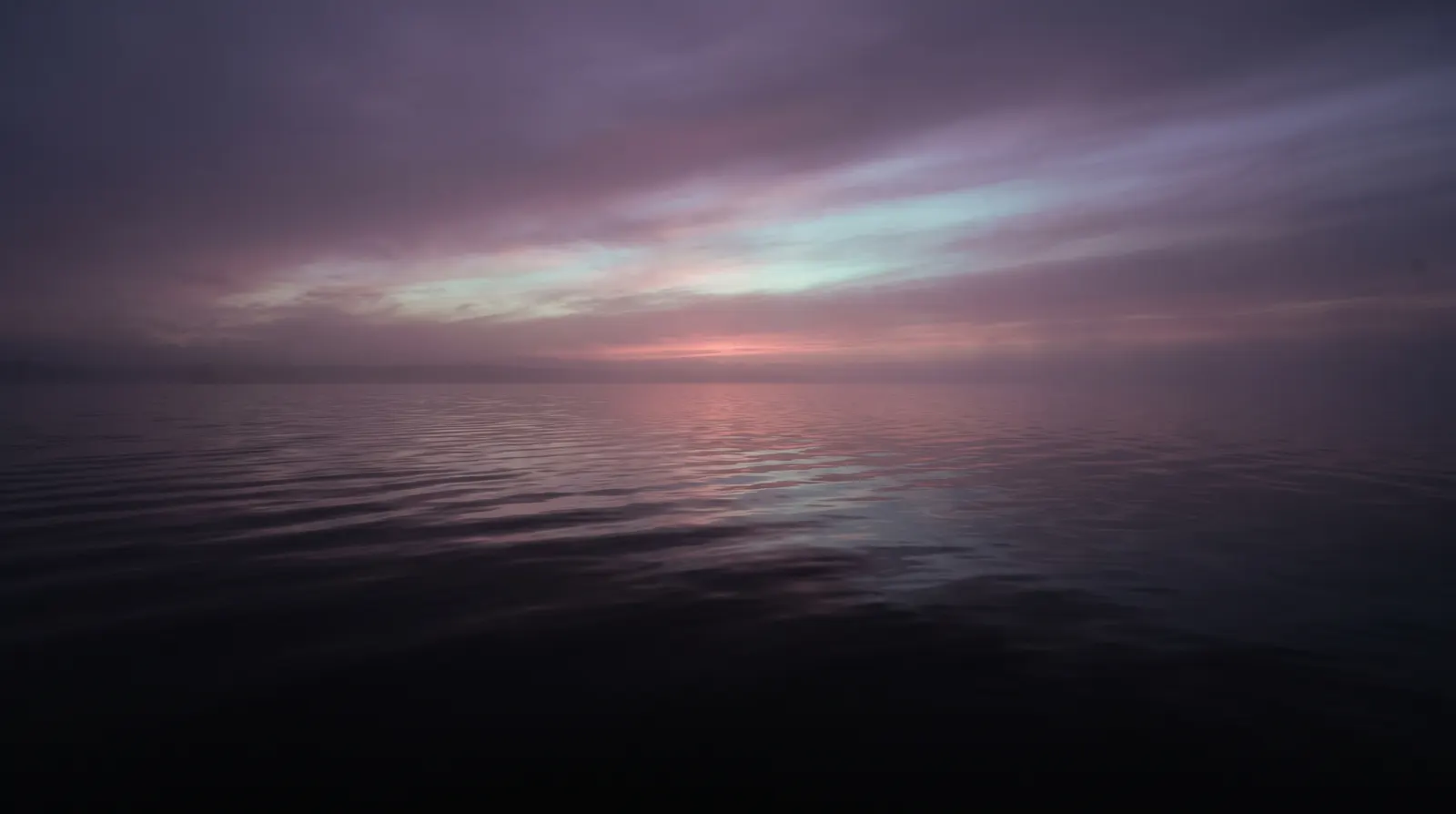
It is one of the few spectacles that still stops us mid-stride. People on evening trains look up from their phones for it; strangers on beaches stand in accidental congregation, all facing the same direction, saying nothing. The sunset is the world's most reliably scheduled wonder, free of charge, staged nightly, and yet it has never quite become boring. That fact alone is worth pausing over. In an attention economy engineered to make everything stale within a week, the same star setting behind the same horizon has held humanity's gaze for the whole of our existence. This piece is about why, and about the quietly serious case for treating sunset watching not as a guilty idleness but as one of the simplest contemplative practices available.
What awe is, and why the sky produces it
The feeling a great sunset produces has a name in psychology: awe. In an influential paper, Dacher Keltner and Jonathan Haidt described awe as the emotion that arises when we encounter something vast, something that exceeds our ordinary frames of reference and forces the mind to stretch to accommodate it. Mountains do it, cathedrals do it, and the sky at dusk does it on a nightly schedule: a ceiling of colour hundreds of kilometres wide, changing by the second, entirely indifferent to our deadlines. One of awe's most consistent signatures is what researchers call the small self: in the presence of vastness, our sense of self, along with its anxieties, grievances and to-do lists, shrinks. What feels like insignificance turns out to be relief. For a few minutes, you are not the centre of anything, and the concerns that loomed at desk height resume their actual size.
The evidence that sky-watching does something
Awe research has moved from description to measurement. In a study published in the journal Emotion, Craig Anderson, Maria Monroy and Dacher Keltner followed military veterans and young people from underserved communities on whitewater rafting trips, and separately tracked students' everyday nature experiences. The finding was striking: the amount of awe people felt in nature predicted improvements in wellbeing and reductions in stress-related symptoms, above and beyond the other positive emotions the outings produced. Awe, in other words, was not decorative; it appeared to be an active ingredient. A sunset is not a rafting expedition, and honesty requires saying so. But the study's second strand found that even ordinary, everyday encounters with nature delivered measurable doses of the same emotion, and the evening sky is the most democratic source of it we have: visible from car parks, balconies and hospital windows, requiring no fitness, no equipment and no admission fee.
A sunset is vastness on a schedule: the one nightly appointment where being made to feel small is precisely the point.
The dusk sky as visual meditation
Beyond awe, the sunset has the precise properties that make something restful to look at. Its movement is slow and non-repeating: clouds drift, colour deepens, nothing loops. It demands nothing: there is no plot to follow and no decision to make, which allows what attention researchers call soft fascination, the effortless, wide-angle attention in which the mind's focused circuits finally rest. It is also, not incidentally, a light cue: dusk's warm, dimming palette is the opposite of the bright blue signalling of our screens, and watching the day visibly end is about as legible a wind-down signal as a nervous system could ask for. In this sense the sunset belongs with firelight, aquaria and falling rain in the small family of natural visual meditations: sights that hold the eye gently enough that the watcher, without trying, begins to breathe more slowly.
How to actually watch one
It sounds absurd to need instructions, but most of us have replaced watching sunsets with photographing them. A few gentle suggestions:
- Give it the full quarter of an hour. The best colour often arrives ten to twenty minutes after the sun itself has gone, in the afterglow most people leave too early to see.
- Take at most one photograph, early, then put the phone away with intent. A sunset viewed through a screen is a preview of an experience you are declining to have.
- Let the eyes wander without assignment: horizon, zenith, the colour changing on buildings behind you. Soft, aimless looking is the entire technique.
- Notice the temperature, the sound, the birds changing shift. Awe deepens when more senses are invited.
- Make it recurring. A sunset watched weekly becomes a standing appointment with perspective, which is rather more than most calendar entries deliver.
And for the evenings that offer only ceilings and cloud, a substitute ritual is better than none: I am fond of ending screen days with Feelsy's slower colour fields, whose dusk-like drift of rose and violet makes an honest understudy for the horizon, before lamps go low and the actual night takes over.
The view from the hillside
There is a reason every contemplative tradition points its practitioners at the sky, and a reason the rest of us keep gathering on beaches at day's end without being told to. The sunset is perspective, administered visually, in a dose that takes fifteen minutes and asks nothing in return. The research suggests the feeling it produces is one of the more restorative emotions we have access to; the experience itself suggests something simpler, that it is good, nightly, to be reminded how large the world is and how briefly lit. The next clear evening will provide a demonstration, free of charge, at the usual time.
Feelsy is a wellness product, not medical advice. If stress, anxiety or sleep problems persist, please speak with a qualified professional.
References
- Keltner, D., & Haidt, J. (2003). Approaching awe, a moral, spiritual, and aesthetic emotion. Cognition and Emotion, 17(2), 297-314.
- Anderson, C. L., Monroy, M., & Keltner, D. (2018). Awe in nature heals: Evidence from military veterans, at-risk youth, and college students. Emotion, 18(8), 1195-1202.
Frequently Asked Questions
Why does watching the sunset make me feel calm?
A sunset combines several restful ingredients at once. Its vastness triggers awe, an emotion that shrinks the sense of self and puts worries back at their actual size; its slow, non-repeating movement invites soft fascination, the effortless kind of attention that lets focused mental circuits rest; and its warm, dimming light is a natural signal to the nervous system that the day is ending.
Is there scientific evidence that sunsets are good for you?
There is good evidence for the emotion sunsets reliably produce. A study in the journal Emotion following military veterans, young people and students found that awe felt in nature predicted improved wellbeing and reduced stress-related symptoms, beyond the effect of other positive emotions, and that even everyday encounters with nature delivered measurable doses of awe. The evening sky is one of the most accessible sources of that emotion available.
What is the best way to watch a sunset mindfully?
Give it a full fifteen minutes or more, since the richest colour often arrives in the afterglow, ten to twenty minutes after the sun has gone. Take one photograph early if you must, then put the phone away, and let your eyes wander without assignment across horizon, sky and the changing light behind you. Inviting the other senses, air, temperature and birdsong, deepens the effect.
What is awe and why does it matter?
Psychologists describe awe as the emotion that arises when we encounter something vast that exceeds our usual frames of reference, forcing the mind to stretch. One of its most consistent effects is the small self: in the presence of vastness, self-concern and rumination shrink, which people experience as relief and perspective. Research links awe felt in nature to improved wellbeing and lower stress.
Do I need a dramatic view to get the benefit?
No. Research on everyday nature experiences suggests ordinary encounters, a sky from a balcony, a car park horizon, clouds from a window, deliver real doses of awe. The sunset's advantage is precisely that it requires no travel, fitness, equipment or fee. On evenings with no view at all, a slow, dusk-coloured visual ritual indoors is a reasonable understudy while you wait for a clear sky.

About the author
Contributing writer
Eleonor writes about contemplative traditions, attention and the cultural history of calm. She has spent two decades collecting the rituals humans use to slow down, from zazen halls to hammams, and translating them for modern, screen-lit lives.
Feel it for yourself.
Feelsy turns reading about calm into practising it. Two minutes of a slow texture is often the whole difference.


Related reading
 Visual Meditation
Why Stargazing Calms the Mind: The Science of Awe
Why looking at the night sky quiets an anxious mind: the research on awe and the small self, and how to practise stargazing without a telescope.
 Visual Meditation
Cloud Watching: The Easiest Meditation There Is
Why drifting clouds restore tired attention when screens cannot: the science of soft fascination, and how to practise the art of looking up.
 Visual Meditation
In Defense of Staring Out the Window
Staring out the window isn't wasted time. The science of soft fascination and attention restoration, and why your brain needs unfocused minutes.
 Visual MeditationNew
Highway Hypnosis: Why You Can't Remember the Last Ten Miles
You arrive at your exit with no memory of driving there. Highway hypnosis is real and common: here's the science of the road trance and how to use it safely.
 Visual Meditation
Why the Northern Lights Mesmerise Us: Aurora Watching as Visual Meditation
What causes the northern lights, why the aurora feels so calming to watch, and how to turn sky watching into a simple visual meditation practice.
 Visual Meditation
Blue Mind: Why Being Near Water Calms the Brain
What blue mind theory says about why oceans, lakes and rivers soothe us: the research on blue space, water's pull on the eye, and how to use it daily.