Yin and Yang: What the Symbol Really Means for Everyday Calm
Yin and yang is not good versus evil but a map of how opposites feed each other. The real meaning of the symbol, and how to use it to balance your days.
By Mei Lin
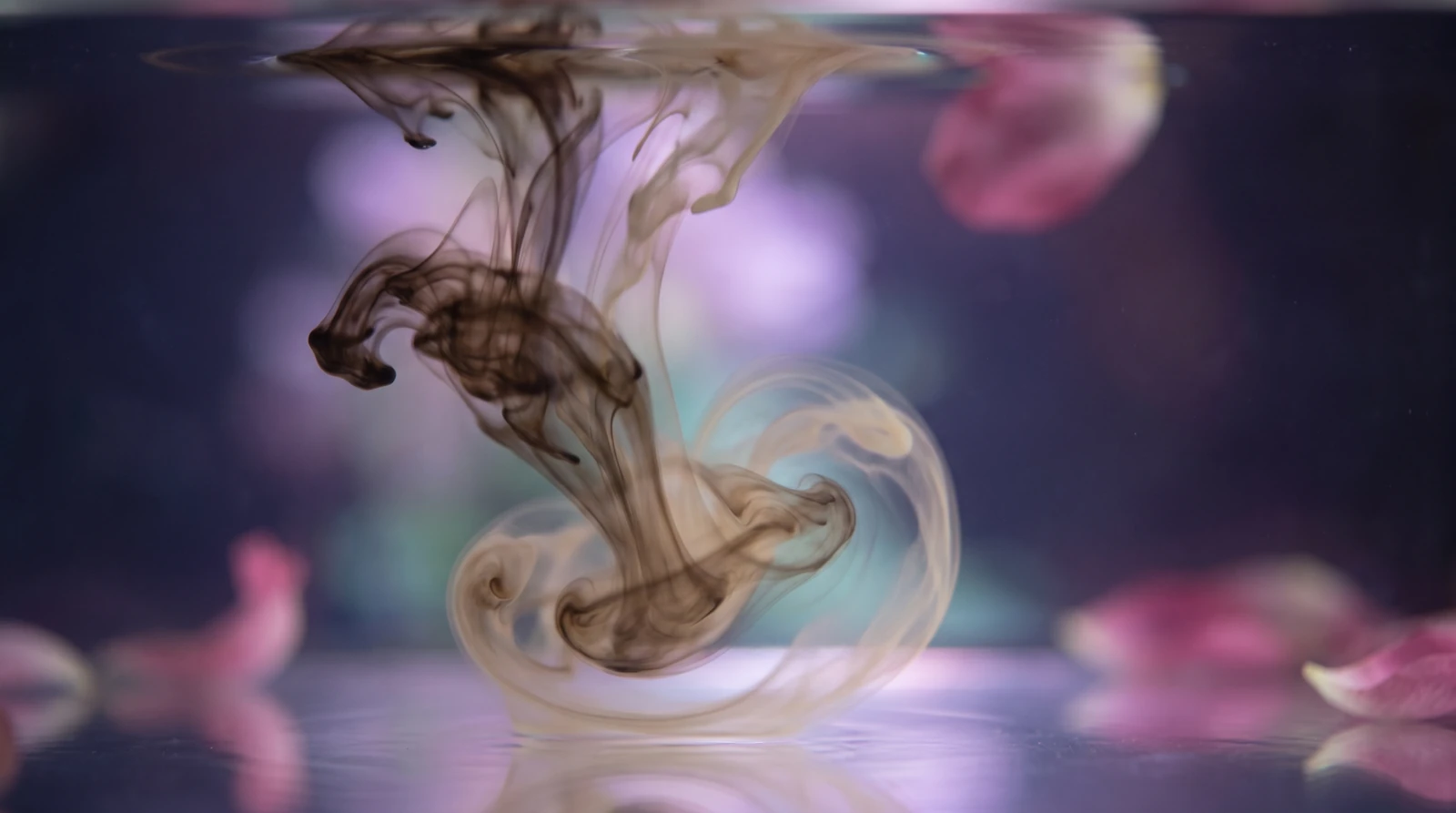
My grandmother never explained yin and yang to me. She demonstrated it, daily, without comment. Tea too hot was left to stand; a room too loud was answered with a quieter voice, not a louder one; after a morning of hard cleaning came an afternoon of shelling beans in a chair by the window, hands still moving, pace cut in half. When I finally met the famous symbol in a textbook, the black and white fish curled around each other, I remember thinking: oh, it is a drawing of how she lives.
Outside China, the symbol has had a strange career. It surfaces on surfboards and tattoos, and it is routinely explained as good versus evil, light versus dark, a cosmic tug-of-war. This is almost exactly wrong. Yin and yang are not enemies and the diagram is not a battlefield. It is a map of how a whole thing breathes.
What the words actually mean
The original characters are humble. Yin referred to the shaded side of a hill; yang, the sunlit side. Same hill. The shade is not fighting the sunlight; they are two faces of one slope, and as the sun moves, each becomes the other. From that single image, Chinese thought built a vocabulary for every paired quality in experience: rest and activity, cool and warm, soft and firm, inward and outward, night and day. Yin gathers, stores, receives, slows. Yang spends, expresses, pushes, quickens. Neither is better. A life of pure yang burns out; a life of pure yin never gets out of bed.
The diagram, properly called the taijitu, encodes three ideas worth keeping. The curve between the halves is an S, not a straight line, because the proportions are always shifting: more dark in winter, more light in summer, more rest in the evening, more effort at noon. Each half carries a dot of the other's color, because nothing is purely one thing: there is stillness inside exertion, like the quiet eye of a storm, and activity inside rest, like a sleeping body healing itself. And the two halves together form a circle, because the point is not either side winning. The point is the circle.
Yin and yang were never at war. They are the shaded and sunlit sides of one hill, trading places as the sun moves.
The diagnosis hiding in an old symbol
Read this way, the symbol becomes a quiet diagnostic tool, and most modern lives fail the reading in the same direction. Our days are engineered for yang: screens that brighten, feeds that quicken, work that follows us home, light that never fully goes out. Even our rest is often yang in disguise, loud, bright, stimulating, a second shift of consumption after the first shift of production. The complaint the old framework would make about us is not that we work too hard. It is that our circle has lost its dark half, and so the bright half has nothing to renew it.
The repair is not dramatic. Chinese tradition never asked anyone to abandon activity; it asked for proportion and alternation. Qigong and taijiquan alternate gathering and releasing within a single movement. Gongfu tea alternates pouring and pausing. Even the classical advice about seasons is rhythmic: rise with more sun in summer, keep more stillness in winter. Balance is not a state you achieve once and keep. It is a rhythm you re-enter, breath by breath, day by day.
Practicing the circle in an ordinary day
Begin by noticing your ratio. For one day, loosely tally the yang hours, output, screens, noise, effort, and the yin hours, rest, quiet, slowness, receiving. Most people find the score lopsided in a way no one ever chose. Then, rather than overhauling your life, pair things. Follow the sprint with ten slow breaths before the next task. Follow the bright afternoon with a lamplit evening. Follow talking with listening, the hot meal with a slow walk. My own smallest pairing lives on my phone: after the last work message of the day, I open Feelsy and let one slow texture drift while the kettle heats, two or three minutes of deliberate shade after a day of sun. Paired with a few rounds of its 4-7-8 breathing, inhale brief, exhale long, it is yin practice in miniature: the exhale is the shaded side of the breath.
The dot in each half deserves its own practice. Inside busy hours, keep one still point: feet flat on the floor during the difficult call, one unhurried sip in the middle of the rush. Inside rest, keep one living spark: stretch slowly while the bath runs, let the mind wander on a walk instead of podcasting over it. You are not switching between two lives. You are letting each half carry a seed of the other, which is what the old diagram advised all along.
My grandmother would have had no patience for the tattoo version of her philosophy, but she would have recognized the practice instantly: hot answered with cool, noise with quiet, effort with ease, nothing winning, everything turning. The symbol is not asking you to believe anything. It is asking you to look at your own day and find the missing half of the circle.
Feelsy is a wellness product, not medical advice. If stress, anxiety or sleep problems persist, please speak with a qualified professional.
Frequently Asked Questions
What do yin and yang actually mean?
The original characters referred to the shaded side and the sunlit side of the same hill. From that image, Chinese thought built a vocabulary for paired qualities in all experience: yin gathers, cools, slows and receives, while yang spends, warms, quickens and expresses. They are complementary faces of one whole, not opposing forces of good and evil.
Is yin and yang about good versus evil?
No. That is the most common Western misreading. Neither yin nor yang is good or bad; each is necessary, and each becomes harmful only in excess or isolation. The symbol describes how opposites define, feed and transform into each other, the way day turns to night and effort turns to rest, not a battle one side should win.
What do the dots in the yin-yang symbol mean?
Each half of the symbol carries a small dot of the opposite color to show that nothing is purely one thing. There is stillness inside activity, like the calm concentration inside skilled movement, and activity inside stillness, like a sleeping body repairing itself. In practice, it suggests keeping one still point inside busy hours and one living spark inside rest.
How can I use yin and yang to balance my daily life?
Loosely tally your day's yang hours of output, screens, noise and effort against your yin hours of rest, quiet and slowness; most modern days run heavily yang. Then pair rather than overhaul: follow intense work with ten slow breaths, bright afternoons with lamplit evenings, talking with listening. Balance returns as a rhythm of alternation, not a single fixed state.
Where does the yin-yang symbol come from?
The circular black-and-white diagram is properly called the taijitu, and it emerged within Chinese cosmology as a picture of how one whole divides into complementary, constantly shifting phases. Its S-shaped boundary shows the proportions always changing, as with seasons and times of day, and the enclosing circle shows that both halves belong to one process.

About the author
Contributing writer
Mei grew up in Shanghai around tea that could not be hurried and grandmothers who considered stillness a skill. She writes about slow hands and sensory ritual: tea, calligraphy, qigong, and the quiet crafts that taught the world how to pay attention.
Feel it for yourself.
Feelsy turns reading about calm into practising it. Two minutes of a slow texture is often the whole difference.


Related reading
 Ancient Wisdom
Wu Wei: The Chinese Art of Effortless Action
What wu wei means in Daoist thought, why effortless action is not laziness, and how to practice trying softer in your work, your hobbies, and your rest.
 Breath & Body
Qigong vs Tai Chi: What Is the Difference?
Qigong and tai chi look alike from a park bench, yet they are different practices. Here is how they differ, what they share, and which one to try first.
 Ancient Wisdom
Why Chinese Grandmothers Prescribe Hot Water for Everything
In China, plain hot water is comfort, care and daily ritual in a single cup. The story of he re shui, thermos culture, and what a warm slow sip can teach.
 Ancient WisdomNew
Ataraxia: The Ancient Greek Art of an Untroubled Mind
Ataraxia is the ancient Greek word for an untroubled mind, prized by Epicureans, Stoics and Sceptics alike. Here is what it means and how they reached it.
 Ancient WisdomNew
Ma: The Japanese Art of Negative Space
Ma is the Japanese concept of negative space: the pause, the gap, the emptiness that gives everything else meaning. Here is how to invite more of it into a day.
 Ancient Wisdom
Negative Visualisation: The Stoic Habit of Imagining Loss
Negative visualisation, the Stoic practice of briefly imagining losing what you have, sounds grim but works as a gratitude exercise. Here is how to do it well.