Sleep Inertia: Why You Wake Up Groggy (and How to Shake It Faster)
That heavy fog after waking has a name: sleep inertia. Here's why mornings feel broken, what the research says, and how to clear your head faster.
By Kurt Woleret
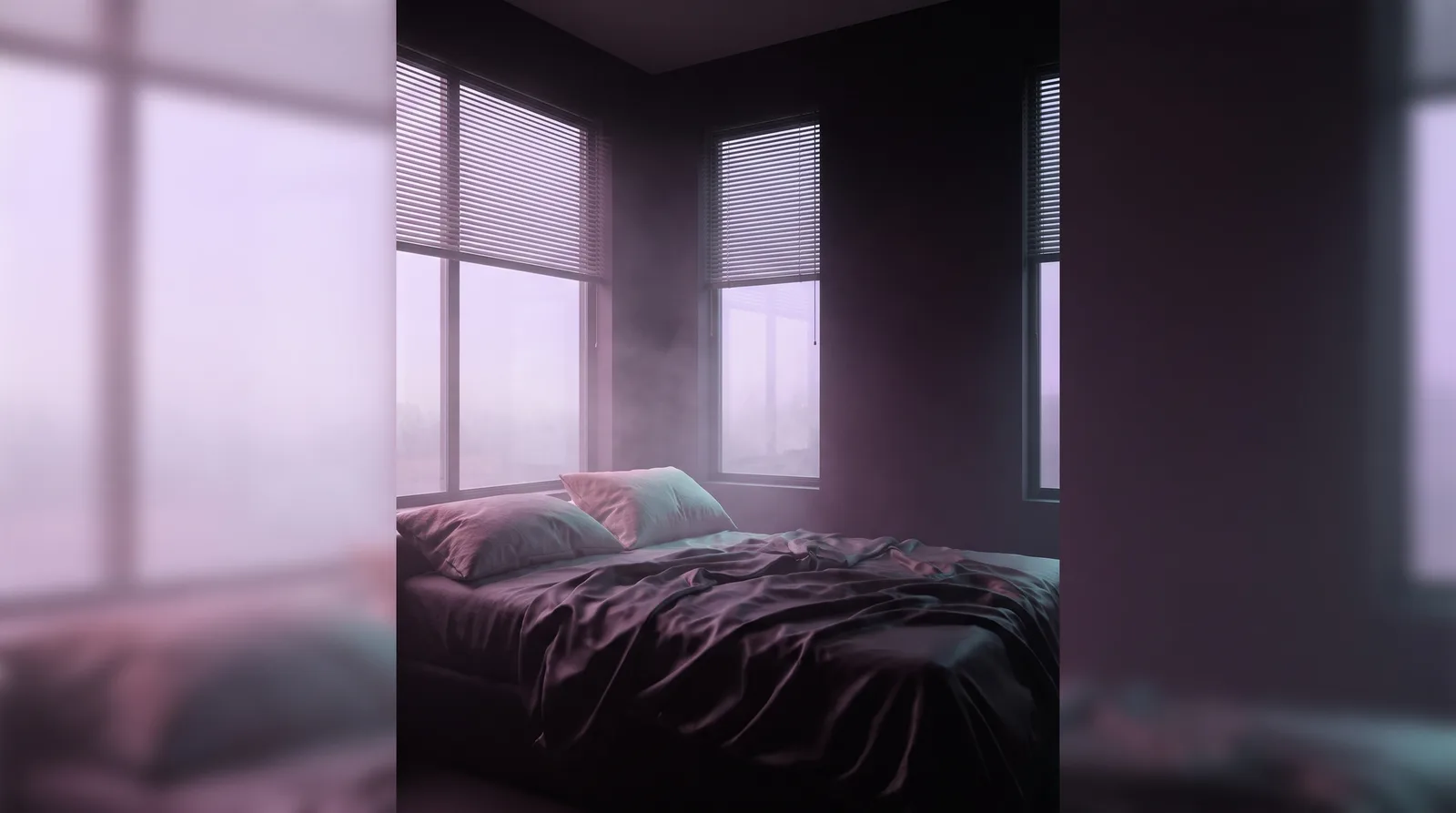
There's a version of you that exists for the first twenty minutes after the alarm. This version can't do math, can't find words, and once poured orange juice into the coffee maker. Then, gradually, the real you comes online and takes over, mildly embarrassed by what the first guy did. That handoff period has a name: sleep inertia. It's not a character flaw, it's not proof you slept badly, and it's not something a louder alarm fixes. It's a documented feature of how brains boot up, and once you know how it works, you can stop fighting it and start working around it.
What sleep inertia actually is
Sleep inertia is the transitional state between being asleep and being fully awake, and the key word is transitional. Your brain doesn't flip on like a light switch; it comes up in stages, like a laptop restoring forty browser tabs. A 2019 review by Hilditch and McHill in Nature and Science of Sleep lays out the picture: for a window after waking, alertness, reaction time, and decision-making are all measurably impaired. For most people the worst of it fades within fifteen to sixty minutes, though under bad conditions the tail can drag on considerably longer. During that window, parts of the brain, including regions handling attention and complex thought, are essentially still warming up while your body is already vertical and expected to function.
This is worth sitting with, because the standard interpretation of morning fog is I must have slept terribly. Not necessarily. Even people who slept a full, healthy night wake through a period of inertia. The fog is the boot sequence, not the verdict on the night.
Why some mornings are so much worse
If inertia is universal, why does Tuesday feel fine and Thursday feel like wading through wet cement? Because a few things reliably crank up the intensity. Waking out of deep, slow-wave sleep is the big one: get pulled up from the deepest stage, by an alarm or an inconveniently timed nap, and the fog is heavier and lasts longer. That's the mechanism behind the classic too-long-nap disaster, where forty extra minutes of sleep somehow produce a worse afternoon. It's also why erratic alarm times hurt: wake at a different point in the cycle each day and you're rolling dice on which stage you surface from.
Sleep deprivation makes everything worse, which is unfair but predictable: run short on sleep and your brain fights harder to stay under, so the wake-up costs more. And your body clock matters too. Waking during your circadian low, the hours when your internal clock insists it's still night, deepens the fog, which is why shift workers and very early risers get hit hardest.
The fog isn't proof you slept badly. It's the boot sequence. Every brain has one; some mornings just load more tabs.
How to clear the fog faster
You can't skip sleep inertia, but the research points to levers that shorten and soften it:
- Get light immediately. Bright light after waking helps push the brain toward alertness. Open the blinds before you check your phone. If your apartment faces an airshaft, as mine does, a bright lamp on a timer is a worthy substitute for a sun you cannot see.
- Time your caffeine like you mean it. Caffeine helps, but it takes a while to kick in. If you nap, drinking coffee right before a short nap means the caffeine arrives roughly as you wake, landing on the fog instead of before it.
- Keep naps short. Around twenty minutes keeps you out of the deepest sleep stages, so you surface without the cement. Long naps are fine when you can afford a slow, groggy landing afterward; before a meeting, they're a trap.
- Wake at a consistent time. Same wake time, same point in the cycle, fewer deep-sleep ambushes. Boring advice, measurable payoff.
- Move and warm up. Getting vertical, walking, a warm shower: gentle activation signals the body that the day has actually started.
Design a runway, not a launchpad
Here's the practical reframe that helped me most: stop scheduling your morning as if minute one is a working minute. It isn't. For the first chunk after waking you are, cognitively speaking, a demo version of yourself. So build a runway. Put the automatic things first: kettle, shower, light, and save anything requiring judgment for after the fog lifts. I used to answer email in bed within ninety seconds of waking, and the sent folder from that era reads like it was written by a stranger with my name.
What you feed your attention during the runway matters too. A phone full of news and notifications yanks a half-booted brain into high alert, which feels like waking up but is really just stress wearing alertness as a costume. A gentler on-ramp works better: light, movement, and something calm to rest your eyes on while the system loads. I keep Feelsy's autoplay mode running a slow, bright texture on the kitchen counter while the coffee brews; a couple of unhurried minutes of watching something drift, sometimes with one round of its paced 4-7-8 breathing, and the real me shows up noticeably less grumpy. The point isn't the app. The point is giving the boot sequence a calm place to finish instead of demanding output from a brain that's still loading.
Sleep inertia is universal, temporary, and mostly manageable. Light, consistent wake times, short naps, smart caffeine, and a morning designed with a runway will cover most people. And if the fog regularly lasts hours, drags on despite decent sleep, or comes with crushing daytime sleepiness, that's worth raising with a professional, because sometimes heavy grogginess is a signal and not just a boot screen.
Feelsy is a wellness product, not medical advice. If stress, anxiety or sleep problems persist, please speak with a qualified professional.
References
- Hilditch, C. J., & McHill, A. W. (2019). Sleep inertia: current insights. Nature and Science of Sleep.
Frequently Asked Questions
What is sleep inertia?
Sleep inertia is the transitional state between sleeping and being fully awake, when alertness, reaction time, and decision-making are measurably impaired. It happens because the brain wakes up in stages rather than all at once. It's a normal part of waking, not automatically a sign that you slept badly.
How long does sleep inertia last?
For most people the worst of it fades within fifteen to sixty minutes of waking. It can drag on longer if you were sleep deprived, woke out of deep slow-wave sleep, or woke during your circadian low, the hours when your body clock insists it's still nighttime.
Why do I feel groggier after a nap than before it?
Long naps let you descend into deep slow-wave sleep, and being woken from that stage produces the heaviest, longest-lasting grogginess. Keeping naps to around twenty minutes keeps you in lighter stages, so you surface without the wet-cement feeling.
How do I stop waking up groggy?
You can't skip sleep inertia entirely, but you can shorten it: get bright light right after waking, keep a consistent wake time so you surface from the same point in your sleep cycle, keep naps short, and give yourself a calm runway of automatic tasks before anything requiring judgment. If heavy fog lasts hours every day despite decent sleep, talk to a professional.

About the author
Contributing writer
Kurt is a New York based writer covering the practical science of stress, sleep and focus. He is the resident sceptic of the Journal: if a technique cannot survive a crowded subway commute and a deadline week, he is not interested in it.
Feel it for yourself.
Feelsy turns reading about calm into practising it. Two minutes of a slow texture is often the whole difference.


Related reading
 Sleep
SleepIs Hitting Snooze Actually Bad for You? What the Science Says
Everyone says snoozing ruins your sleep. New research says otherwise. Here's what actually happens in those nine minutes, and who should snooze or skip it.
 Sleep
SleepHow Long Should a Nap Be? The Science of Waking Up Better
Ten minutes, twenty, ninety? Nap length decides whether you wake up sharp or wrecked. Here's what sleep research says about the ideal nap, and how to time it.
 Sleep
SleepWhy Am I Still Tired After 8 Hours of Sleep?
Getting eight hours but waking up exhausted? Here's why time in bed isn't the same as good sleep: fragmentation, timing, alcohol, and what actually helps.
 SleepNew
Night Owl vs Early Bird: The Science of Chronotypes
Night owl or early bird isn't a personality flaw or a virtue. It's a chronotype. Here's what the science says about your body clock and how to work with it.
 SleepNew
How to Wake Up Early (Without Hating Your Life)
Want to become a morning person? Here's how to wake up early using light, timing and consistency, based on what circadian science actually shows.
 Sleep
SleepCan't Sleep? Why Getting Out of Bed Is the Counterintuitive Fix
Lying awake trying harder is the one thing that makes insomnia worse. Here's the 20-minute rule, the science of stimulus control, and how to use it.