Dolce Far Niente: The Italian Art of Sweet Idleness
Dolce far niente is the Italian art of sweet idleness: doing nothing, beautifully. What the phrase means, why it feels so hard, and how to practise it.
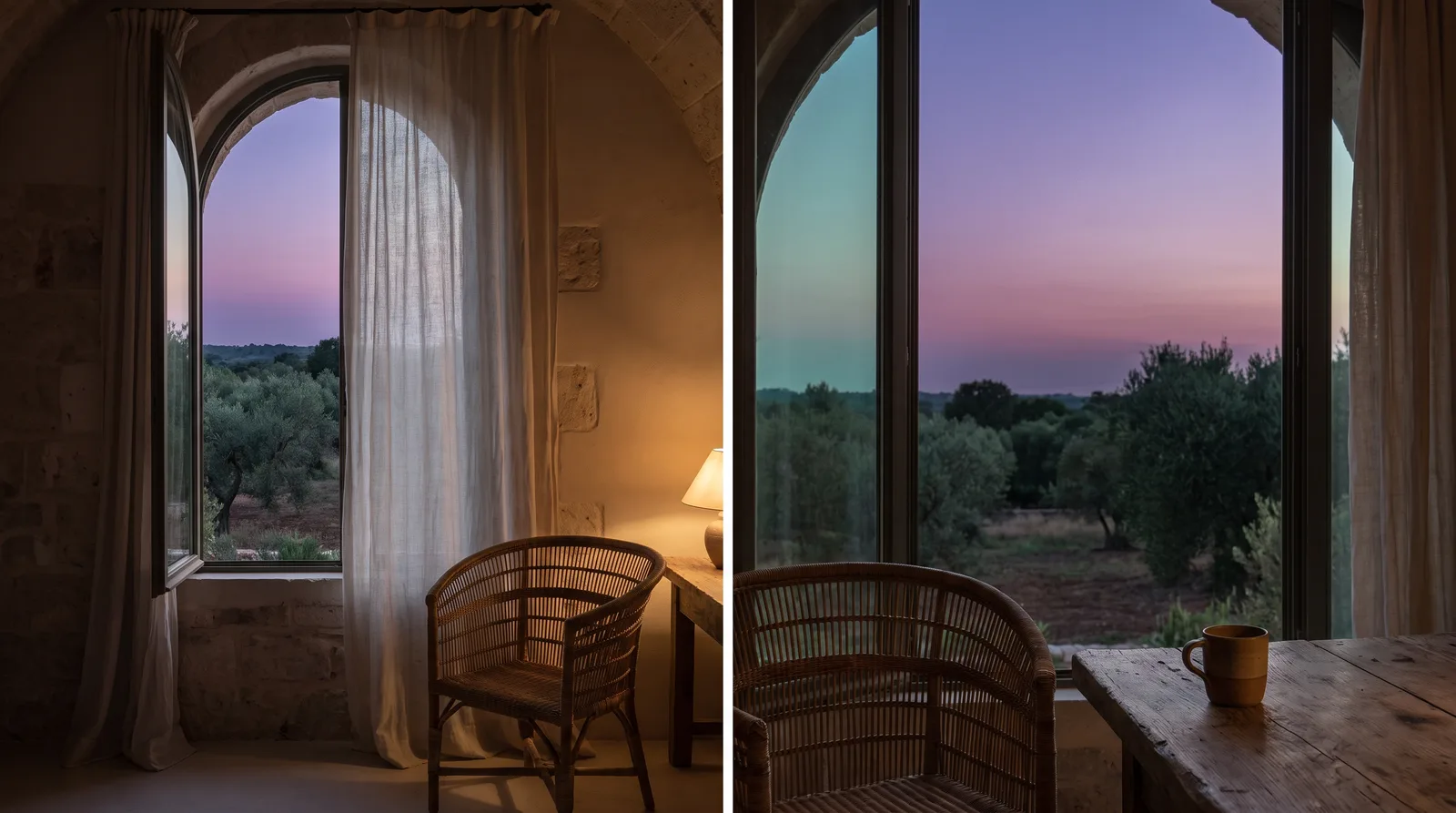
Somewhere between the second espresso and the first obligation of the afternoon, Italy perfected a small act of resistance. Dolce far niente translates as the sweetness of doing nothing, and the phrase is precise. Not the guilt of doing nothing, nor the panic of it: the sweetness. An hour on a shaded step watching the street go by, a long sit after lunch with no agenda, an evening spent leaning on a windowsill because the light happens to be good. To much of the modern world this looks like wasted time. To the tradition that named it, it is one of the reliable pleasures of being alive.
What the phrase actually means
The grammar is worth a moment. Far niente means to do nothing; dolce means sweet. The sweetness is not an accident of the idleness but its whole point, and that distinction separates dolce far niente from laziness. Laziness avoids what must be done. Sweet idleness comes after it, or alongside it, as a savoured interval rather than an escape. It belongs to the same southern European family of rhythms as the evening passeggiata, the unhurried stroll taken for no destination, and the Spanish sobremesa, the long linger at the table after a meal has ended.
English speakers mostly met the phrase through travel writing and, more recently, through films and memoirs about going to Italy to remember how to live. The fame is new; the practice is not. It survives because it answers a question productivity culture has never managed to ask, let alone answer: once the work is done, what is a good hour actually for?
Why doing nothing is so difficult
In 2014 the psychologist Timothy Wilson and colleagues published a study in Science with a finding that has become notorious. Asked to sit alone with their thoughts for six to fifteen minutes, many participants found the experience genuinely unpleasant, and in one arm of the study a majority of the men and a quarter of the women chose to give themselves a mild electric shock rather than simply sit. The paper's title reads almost mournfully: Just think. The untrained mind, it turns out, does not much enjoy its own company.
It would be easy to take that as proof that we are broken. The Italian reading is kinder: doing nothing well is a skill, and like every skill it atrophies. A culture that practises idle sweetness daily, in small doses, in good light and without shame, keeps the skill alive. A culture that treats every unfilled minute as a failure of optimisation loses it, then wonders why silence feels like an emergency.
Laziness avoids the work; dolce far niente follows it, the way dessert follows a meal.
Not quite niksen, not quite rest
Readers of this journal may remember niksen, the Dutch art of doing nothing. The two are cousins rather than twins. Niksen tends to be framed functionally: a deliberate pause, prescribed a little like medicine, an interruption of productivity for the sake of the mind that must soon be productive again. Dolce far niente carries no such justification and would faintly resent being asked for one. It is not a technique for recharging so that one may work better afterwards. It is pleasure, full stop, with the dignity that pleasure deserves.
Nor is it quite rest. Rest repairs; idleness savours. One can be perfectly rested and still have no idea what to do with an unscheduled hour. Sweet idleness is the knowledge of what to do with it, which is, gloriously, nothing in particular: noticing warmth, watching light move, letting the mind wander on a loose lead.
Practising sweet idleness
It feels absurd to give instructions for doing nothing, and the Italians would laugh at the idea. Consider these less instructions than permissions:
- Finish something first. The sweetness depends on contrast; idleness after effort tastes entirely different from avoidance.
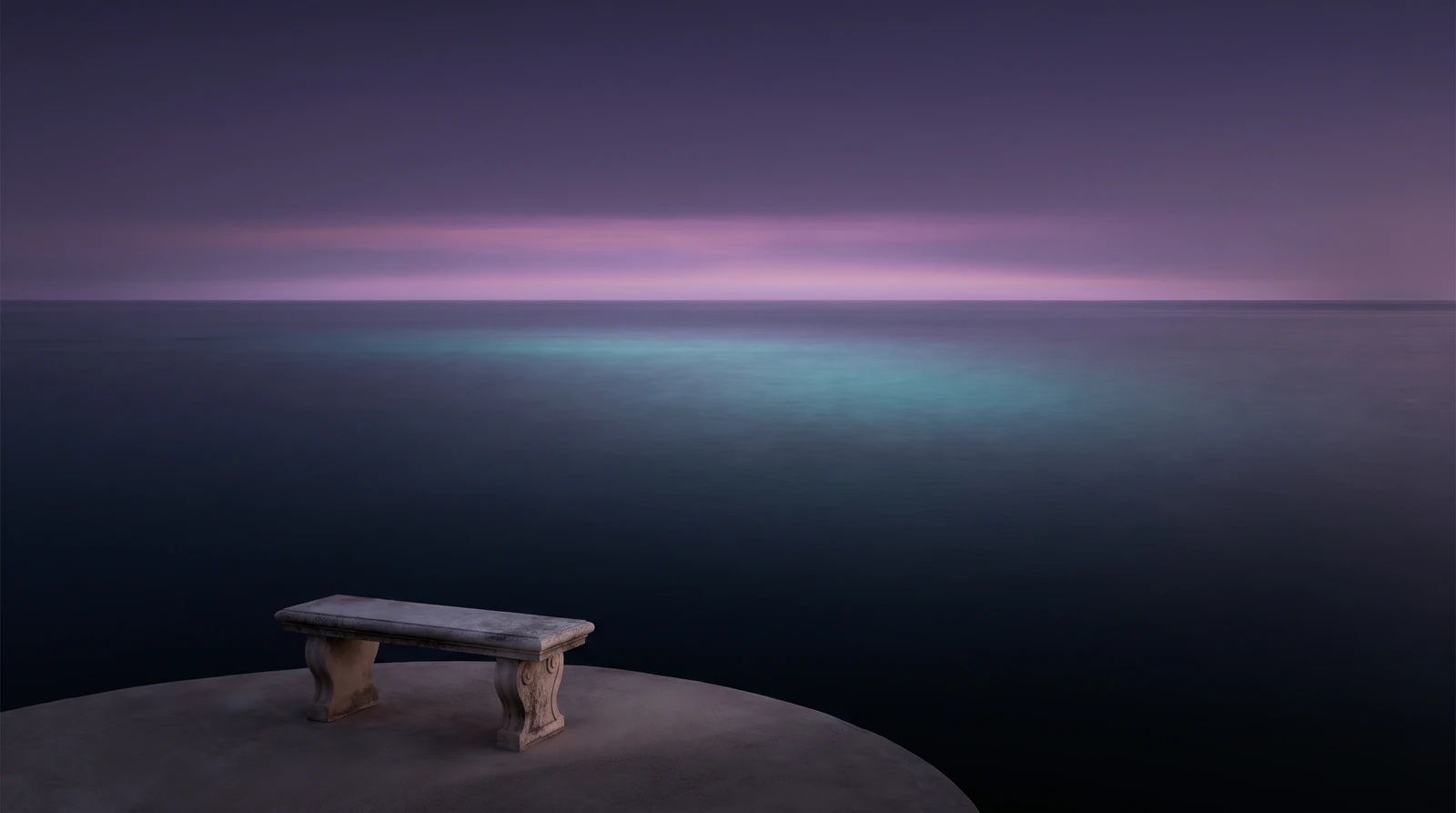
- Choose a pleasant post. A window, a step, a bench, a balcony. Italy does its nothing in beautiful places on purpose.
- Leave the phone in another room. Scrolling is not doing nothing; it is doing something thin, relentlessly.
- Let the senses lead. Warmth on the skin, street sounds, the colour of the evening. Attention without agenda.
- Begin with ten minutes. The discomfort Wilson measured fades with practice, like cold water that warms around you.
If thoughts race at first, that is not failure. It is simply the mind discovering it is off duty and not yet believing it. Stay at the window a little longer. The racing settles, usually sooner than expected, and what remains underneath is the quiet the whole exercise was for.
An idle evening, kept
Screens are usually the enemy of idleness, but they need not be. When the evening is dark and the windowsill is cold, some people keep a softer kind of nothing within reach: Feelsy's slow textures drifting on autoplay, sound turned low, with no goal, no score and nothing to finish. Used that way it is closer to watching a canal than to using an app. Whether your nothing is a glowing texture, a cooling cup of tea or the last light on a wall, the practice is identical: stay, savour, and resist the itch to make the hour useful.
The sweetness is the point
Dolce far niente asks for no cushion, no app, no retreat and no instruction beyond a kind of courage: the courage to let an hour be enough in itself. In a culture that measures days by their output, choosing an hour of sweet nothing is not negligence. It is a quiet declaration about what a life is for, made from a chair, in the shade, with no witnesses and nothing to show for it. That, the Italians would say, is rather the point.
Feelsy is a wellness product, not medical advice. If stress, anxiety or sleep problems persist, please speak with a qualified professional.
References
- Wilson, T. D., Reinhard, D. A., Westgate, E. C., Gilbert, D. T., Ellerbeck, N., Hahn, C., Brown, C. L., & Shaked, A. (2014). Just think: The challenges of the disengaged mind. Science, 345(6192), 75-77.
Frequently Asked Questions
What does dolce far niente mean?
Dolce far niente is Italian for the sweetness of doing nothing. It describes idle time enjoyed deliberately and without guilt: sitting in the shade, lingering after a meal, watching the evening from a window. The sweetness is the point; it is idleness treated as one of life's pleasures rather than as a lapse.
Is dolce far niente just laziness?
No. Laziness avoids what needs doing; dolce far niente follows it, the way dessert follows a meal. The pleasure depends on that contrast. It is idleness that has been earned and is then actually savoured, rather than work that is being dodged.
What is the difference between dolce far niente and niksen?
Niksen, the Dutch version, is usually framed as a functional pause: doing nothing so the mind can recover and work better afterwards. Dolce far niente needs no justification at all. It treats idle time as a pleasure in its own right rather than as maintenance for future productivity.
How do I practise dolce far niente?
Finish a task first, then settle somewhere pleasant: a window, a step, a balcony. Leave your phone in another room, let your senses lead, and stay for at least ten minutes. Early discomfort is normal and fades with practice; what remains is the quiet the exercise was for.

About the author
Contributing writer
Eleonor writes about contemplative traditions, attention and the cultural history of calm. She has spent two decades collecting the rituals humans use to slow down, from zazen halls to hammams, and translating them for modern, screen-lit lives.
Feel it for yourself.
Feelsy turns reading about calm into practising it. Two minutes of a slow texture is often the whole difference.


Related reading
 Ancient Wisdom
Niksen: The Dutch Art of Doing Nothing (and Why Your Brain Needs It)
Niksen is the Dutch art of doing nothing: no phone, no goal, no guilt. What idle moments actually do for a busy brain, and how to practise niksen daily.
 Ancient Wisdom
Sobremesa: The Spanish Art of Lingering at the Table
What sobremesa means, why Spaniards stay talking at the table long after a meal ends, and how this unhurried ritual can slow down an anxious day.
 Ancient Wisdom
The Benefits of Solitude: Why Time Alone Is Not Loneliness
Solitude and loneliness are not the same thing. Here is why chosen time alone settles the nervous system, what research found, and how to practise it gently.
 Ancient WisdomNew
Ataraxia: The Ancient Greek Art of an Untroubled Mind
Ataraxia is the ancient Greek word for an untroubled mind, prized by Epicureans, Stoics and Sceptics alike. Here is what it means and how they reached it.
 Ancient WisdomNew
Ma: The Japanese Art of Negative Space
Ma is the Japanese concept of negative space: the pause, the gap, the emptiness that gives everything else meaning. Here is how to invite more of it into a day.
 Ancient Wisdom
Negative Visualisation: The Stoic Habit of Imagining Loss
Negative visualisation, the Stoic practice of briefly imagining losing what you have, sounds grim but works as a gratitude exercise. Here is how to do it well.