Uitwaaien: The Dutch Art of Walking in the Wind to Clear Your Head
Uitwaaien is the Dutch practice of walking in the wind to blow the cobwebs out. Here is what the word means, why it works, and how to take a proper wind walk.
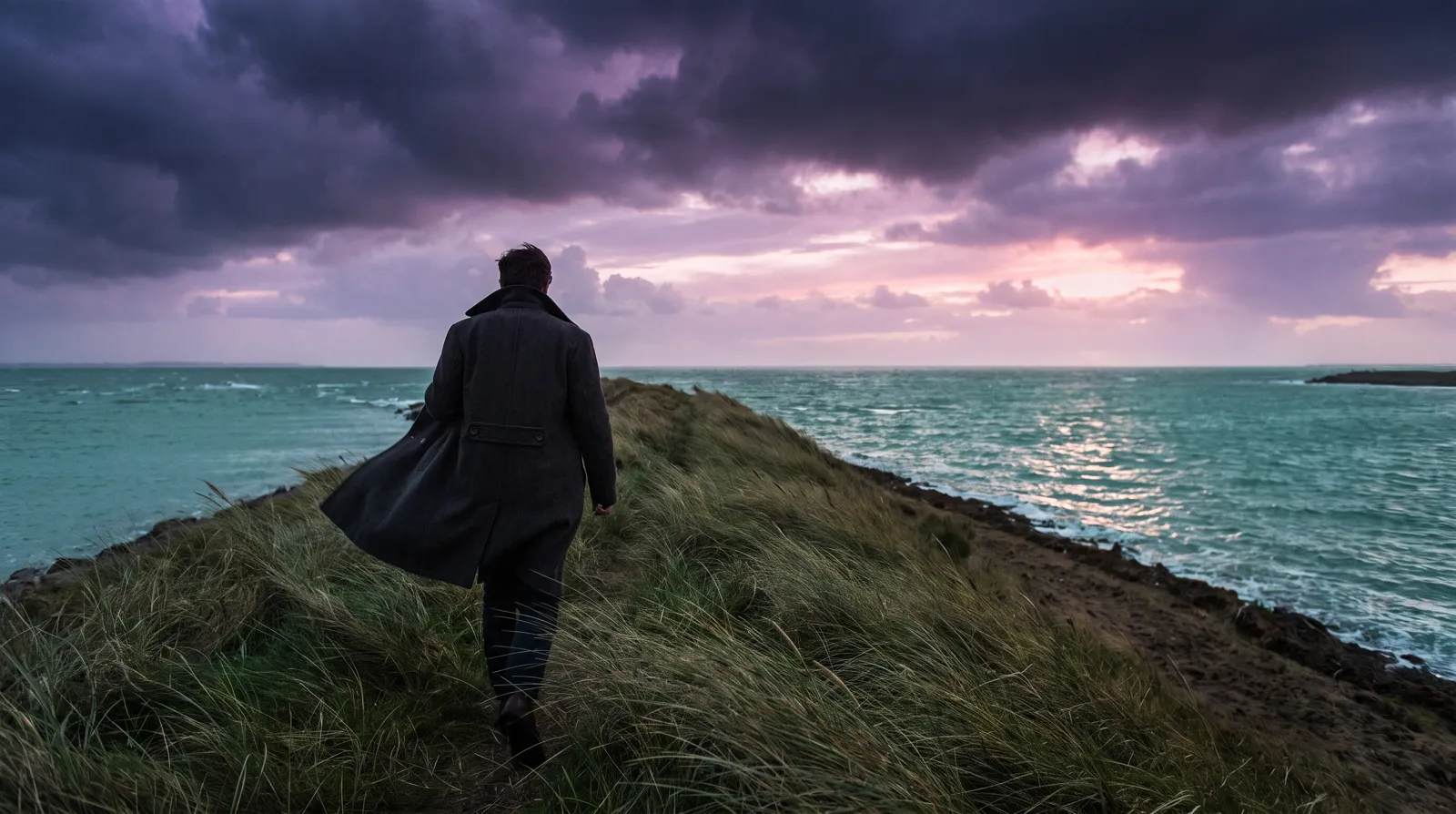
The Dutch, who live on a windswept shelf of land that is in places politely below the sea it borders, have made a virtue of the one commodity their weather never fails to supply. The word for it is uitwaaien, pronounced roughly out-vye-en, and it means, literally, to blow out: to go outside into serious wind, usually for a walk, often at the coast, in order to be blown through. Not despite the weather, which is the crucial part, but because of it. An English speaker reaches instinctively for blowing the cobwebs away, and the reach is accurate, except that in Britain the phrase is a consolation and in the Netherlands it is a plan. Dutch families uitwaaien on Sunday afternoons. Stressed workers announce they are going to uitwaaien in the way others announce a coffee. The wind, in this one corner of Europe, has been promoted from obstacle to remedy.
A remedy made of bad weather
What is charming about uitwaaien, and quietly radical, is its inversion of the usual contract with the outdoors. Most of our restorative outings are fair-weather arrangements: the picnic awaits sunshine, the walk awaits the rain's end, and so the sky's moods dictate the calendar of our recoveries. Uitwaaien breaks the contract. It takes the least clement ingredient of northern European life and declares it the active one, which means the remedy is most available precisely when the world is at its greyest, and the year's dark, blustery stretch, so often framed as something to be endured indoors, becomes a standing invitation. There is a lesson in resourcefulness here that extends well past meteorology. The Dutch did not wait for better weather to feel better. They decided the weather they had was the medicine, wrapped up accordingly, and walked into it.
Why wind, specifically, clears the head
Some of uitwaaien's work is the ordinary, well-documented work of walking outdoors. Moving through natural surroundings genuinely quietens the mind's brooding channel: in one well-known experiment, people sent on a ninety-minute walk in nature reported less rumination afterwards than those who walked beside traffic, and showed reduced activity in a brain region associated with that gloomy, repetitive self-focus (Bratman et al., 2015, PNAS). Anyone whose head unclenches on a walk has felt the finding from the inside. But wind adds ingredients of its own. It is total sensory occupation: it presses on skin, roars politely in the ears, waters the eyes, restyles the hair, and generally insists on the present tense in a way still air never does. Brooding requires a quiet room in the head, and a force-six breeze declines to provide one. It adds gentle resistance, so the body works and warms and arrives home pleasantly spent rather than merely aired. And it supplies drama at no cost: racing clouds, bent grasses, a sea worked into texture. A windy walk is a weather event you are inside of, and it is difficult to remain the main character of your worries while being enthusiastically shoved by the sky.
It is difficult to remain the main character of your worries while being enthusiastically shoved by the sky.
How to uitwaaien properly
The practice needs no instruction, which is part of its beauty, but the Dutch would offer a few refinements. Dress so the weather cannot win: windproof outer layer, warm underneath, and the argument is over before it begins, since cold misery is not the point and never was. Choose somewhere the wind has room to work, a beach, a dike, a headland, an open park, a hilltop street if that is what the day offers; coastal wind is the connoisseur's choice but any honest blow will serve. Walk into the wind on the way out, so the return is wind-assisted and the hardest work is done while you are freshest. Leave the podcast at home: the wind is the programme, and its rush past the ears does the job headphones usually do, one reason the walk feels oddly like listening. Then let the pace be unambitious and the route be short, twenty or thirty minutes is a perfectly respectable uitwaaien, and come home the moment the cold stops being invigorating. The measure of success is a specific and unmistakable state the Dutch know well: cheeks stinging faintly, hair ruined, mind rinsed, appetite awake. Uitgewaaid, the past tense says. Blown out.
The return is half the ritual
Every good expedition is completed by its homecoming, and uitwaaien more than most, because the practice is really a contrast bath for the senses: the roar and buffet outside making the stillness inside newly audible. Honour the transition. The kettle, the dry jumper, the armchair; the sudden enormous silence of a room with the wind shut out. I find the settling afterwards has its own momentum, and a few minutes of something equally unhurried, steam off the tea, or one of Feelsy's slow textures drifting while the 4-7-8 breathing exercise brings the breath back down, extends the rinsed feeling well into the evening. But the heart of the ritual stays out on the dike, and its prescription could not be simpler. When the head is full and the sky is wild, do not wait for better weather. Put on the coat. Go and be blown through. The Dutch have been refilling on wind for generations, and they would tell you the supply has never once run out.
Feelsy is a wellness product, not medical advice. If stress, anxiety or sleep problems persist, please speak with a qualified professional.
References
- Bratman, G. N., Hamilton, J. P., Hahn, K. S., Daily, G. C., & Gross, J. J. (2015). Nature experience reduces rumination and subgenual prefrontal cortex activation. Proceedings of the National Academy of Sciences.
Frequently Asked Questions
What does uitwaaien mean?
Uitwaaien is a Dutch word meaning, literally, to blow out. It names the practice of going outside into serious wind, usually for a walk and often at the coast, in order to be blown through and clear your head. The nearest English phrase is blowing the cobwebs away, except the Dutch treat it as a plan rather than a consolation.
Why does walking in the wind clear your head?
Walking in nature already quietens rumination: in one well-known experiment, a ninety-minute nature walk reduced brooding and activity in a brain region tied to repetitive self-focus, compared with walking beside traffic. Wind adds total sensory occupation, pressing on skin, roaring in the ears and insisting on the present tense, which leaves brooding no quiet room to work in.
How long should an uitwaaien walk be?
Twenty or thirty minutes is perfectly respectable. Walk into the wind on the way out so the return is wind-assisted, keep the pace unambitious, and head home the moment the cold stops being invigorating. The goal is to arrive back with stinging cheeks, ruined hair and a rinsed mind, not to endure an expedition.
Do I need to live near the sea to practise uitwaaien?
No. Coastal wind is the connoisseur's choice, but any honest blow will serve: a dike, a headland, an open park, a hilltop street. What matters is choosing somewhere the wind has room to work, dressing so the weather cannot win, and leaving the headphones at home so the wind itself is the programme.
What should I do after a wind walk?
Honour the homecoming, because the practice works partly as a contrast bath for the senses: the roar outside makes the stillness indoors newly audible. A hot drink, a dry jumper and a few unhurried minutes of settling, perhaps with slow breathing, extend the rinsed feeling well into the evening.

About the author
Contributing writer
Eleonor writes about contemplative traditions, attention and the cultural history of calm. She has spent two decades collecting the rituals humans use to slow down, from zazen halls to hammams, and translating them for modern, screen-lit lives.
Feel it for yourself.
Feelsy turns reading about calm into practising it. Two minutes of a slow texture is often the whole difference.


Related reading
 Ancient Wisdom
Friluftsliv: The Norwegian Art of Open-Air Living
Friluftsliv, Norway's beloved idea of open-air life, treats time outdoors as a need rather than a hobby. What it means, and how to practise it anywhere.
 Ancient Wisdom
Walking Meditation: The Art of Going Nowhere Slowly
Walking meditation turns an ordinary walk into practice. How kinhin works, what research says about mindful walking, and a simple way to begin today.
 Visual Meditation
Awe Walks: The Simple Practice of Walking Until the World Grows Large
An awe walk is an ordinary stroll taken with attention tuned to vastness and wonder. Here is the research behind awe walks and how to take one this week.
 Breath & BodyNew
Do Cold Showers Actually Work? A Skeptic Reads the Evidence
Cold showers are pitched as a cure for everything from low energy to weak character. Here's what the actual research says, and how to try one without the cult.
 Breath & BodyNew
Dopamine Detox: What It Gets Right and What It Gets Wrong
Dopamine detox promises a factory reset for your distracted brain. Here's what the neuroscience actually says, what helps, and what's just rebranded boredom.
 Breath & Body
How to Stop Overthinking: Quieting a Mind That Will Not Move On
Why overthinking loops and how to interrupt it: what rumination research shows, why you cannot argue with a spiral, and gentler ways to change the channel.