Walking Meditation: The Art of Going Nowhere Slowly
Walking meditation turns an ordinary walk into practice. How kinhin works, what research says about mindful walking, and a simple way to begin today.
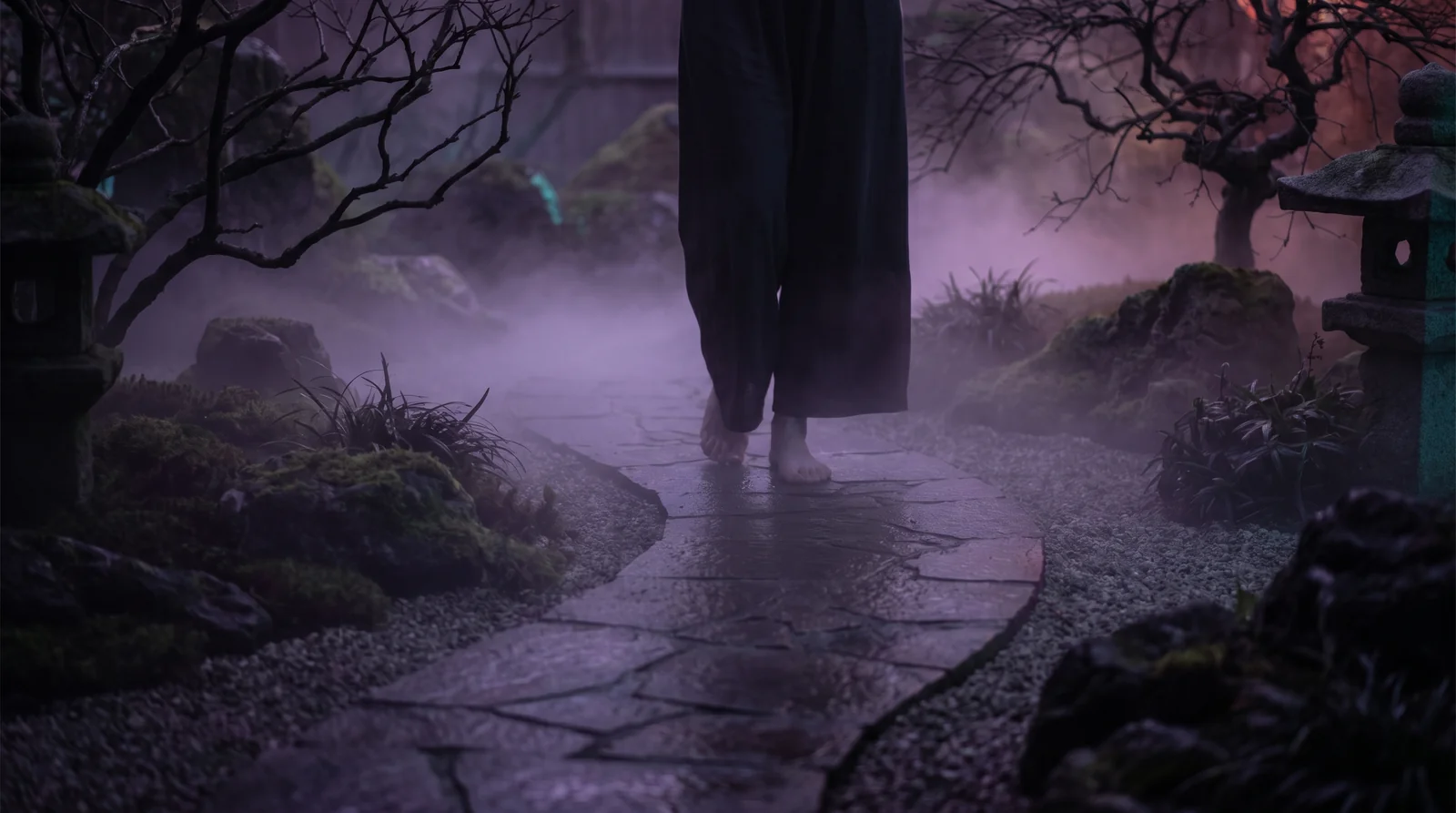
There is a particular smile people give when they first hear of walking meditation, the smile reserved for things that sound too easy to count. Walking is what we do between the important parts of the day; surely it cannot also be the practice itself. And yet nearly every contemplative tradition on earth has arrived at the same discovery: that a body moving slowly, with nowhere to be, is one of the most natural homes attention has ever had. The Buddha taught walking practice alongside sitting. Zen monasteries walk between their meditation periods. Pilgrims have always known that the road works on the mind long before the shrine does.
Walking meditation is also the kindest possible answer to the most common complaint about meditation, which is that sitting still feels like being slowly upholstered. If your mind settles best when your body has something to do, this practice was designed for you, several centuries before you were born.
Kinhin: the walking between sittings
In Zen training halls, periods of seated meditation are separated by kinhin, a walking practice conducted with the same formality as the sitting it punctuates. Practitioners move in a slow line around the hall, hands folded at the chest, matching steps to breath; in the Soto school the pace can be as slow as half a step per full breath, a speed at which walking stops being locomotion and becomes something closer to balancing. The point is not to get anywhere. The hall is a circle; everyone arrives where they began. The point is that meditation survives the transition into movement, which is to say, into the rest of one's life.
Other traditions walk faster and looser. Theravada monasteries use a straight path of a dozen or so paces, walked back and forth with attention on the feet. Thich Nhat Hanh taught a gentler village pace, coordinated with breath and often with a half smile. The common thread is not speed but sincerity: the walk is the practice, not the corridor between practices.
How to practise: a path of ten paces
- Find a stretch of ground ten to twenty paces long, indoors or out, where you can walk unobserved and unhurried.
- Stand still at one end for a few breaths. Feel the weight drop through your feet before you move.
- Walk noticeably slower than usual, resting attention on the soles: the heel landing, the weight rolling, the toes leaving.
- At the end of the path, stop, breathe once, turn around slowly, and walk back. The turn is part of the practice, not an interruption.
- Continue for ten to twenty minutes. When the mind wanders, return to the feeling in the feet, exactly as you would return to the breath.
The feet make a generous anchor because they are always speaking. Unlike the breath, which grows shy under observation, the sensations of pressure and release in a walking foot are vivid, rhythmic and impossible to get wrong. You cannot breathe incorrectly into a heel strike. There is simply the next step, and the next, each one arriving on time.
The point is not to get anywhere. The point is that meditation survives the transition into movement.
What the research says
Mindful walking has begun to attract proper study, and the early results are respectable. In a randomised controlled trial, psychologically distressed adults assigned to an eight-week mindful walking programme reported significantly lower perceived stress and improved quality of life compared with a waiting-list control group (Teut et al., 2013, Evidence-Based Complementary and Alternative Medicine). The trial was small and could not untangle how much credit belongs to the mindfulness and how much to the walking, but that entanglement is rather the point. The practice bundles two of the most reliable calmants we know, gentle movement and anchored attention, into a single unhurried act.
It is also, for many, the accessible door. The racing mind that finds a cushion unbearable often settles within minutes on a slow path, because the body's rhythm gives excess energy somewhere lawful to go.
The corridor, the kitchen, the commute
The formal version wants a quiet path, but the portable version fits anywhere walking already happens. A corridor at work becomes a practice ground the moment you slow by a fifth and drop attention into your soles; nobody watching can tell the difference between meditation and a person carrying tea carefully. The walk from the station, the supermarket aisles, the last flight of stairs before your door: each is ten or forty paces of available silence. I have come to treasure the doorstep pause particularly, three slow breaths between the key and the turning of it, a border ceremony between the day and the evening.
And for the evenings when the weather or the hour makes even a corridor impractical, the same quality of attention can be practised seated, with the eyes doing the walking. A slow visual texture, followed without hurry, asks the same thing of the mind that a stone path asks: stay with what is moving, gently, and let everything else pass. This is much of what we built Feelsy for; its drifting textures and soundscapes make a small indoor path for the attention, and the 4-7-8 breathing exercise afterwards will walk you the rest of the way towards sleep.
Going nowhere, arriving here
It would be easy to file walking meditation under exercise, or under mindfulness, and leave it flattened. It is older and stranger than either: a deliberate uncoupling of movement from destination, in a species that almost never moves without one. Ten minutes of walking that is not for anything, not for steps counted or errands run or calories spent, is a quietly radical act of unproductivity. The legs go nowhere. The rest of you, rather often, arrives.
Feelsy is a wellness product, not medical advice. If stress, anxiety or sleep problems persist, please speak with a qualified professional.
References
- Teut, M., Roesner, E. J., Ortiz, M., Reese, F., Binting, S., Roll, S., Fischer, H. F., Michalsen, A., Willich, S. N., & Brinkhaus, B. (2013). Mindful Walking in Psychologically Distressed Individuals: A Randomized Controlled Trial. Evidence-Based Complementary and Alternative Medicine, 2013, 489856.
Frequently Asked Questions
What is walking meditation and how is it different from a regular walk?
Walking meditation is a deliberate practice of moving slowly with attention resting on the physical sensations of walking, especially the feet, rather than walking simply to get somewhere. In Zen training this is called kinhin, and it's practiced between periods of seated meditation with the same formality as sitting itself. The point isn't to arrive anywhere, since practitioners often walk in a circle back to where they began.
How slow should you walk during a walking meditation?
The pace varies by tradition. In the Soto Zen school, the pace can be as slow as half a step per full breath, while Theravada monasteries and Thich Nhat Hanh's teaching use a more moderate, gentler pace coordinated with breath. What matters is not the speed but sincerity, treating the walk itself as the practice rather than a corridor between practices.
Does walking meditation actually reduce stress?
A randomised controlled trial found that psychologically distressed adults who completed an eight-week mindful walking programme reported significantly lower perceived stress and improved quality of life compared to a waiting-list control group. The trial couldn't fully separate the benefits of the walking itself from the mindfulness component, but the article notes that combination of gentle movement and anchored attention is likely part of the point.
How do I practise walking meditation in ten paces?
Find a stretch of ground ten to twenty paces long, stand still for a few breaths feeling your weight settle, then walk noticeably slower than usual with attention on the soles of your feet, the heel landing, the weight rolling, the toes leaving. At the end of the path, stop, breathe, turn around slowly, and walk back, continuing for ten to twenty minutes and returning attention to the feet whenever your mind wanders.

About the author
Contributing writer
Eleonor writes about contemplative traditions, attention and the cultural history of calm. She has spent two decades collecting the rituals humans use to slow down, from zazen halls to hammams, and translating them for modern, screen-lit lives.
Feel it for yourself.
Feelsy turns reading about calm into practising it. Two minutes of a slow texture is often the whole difference.


Related reading
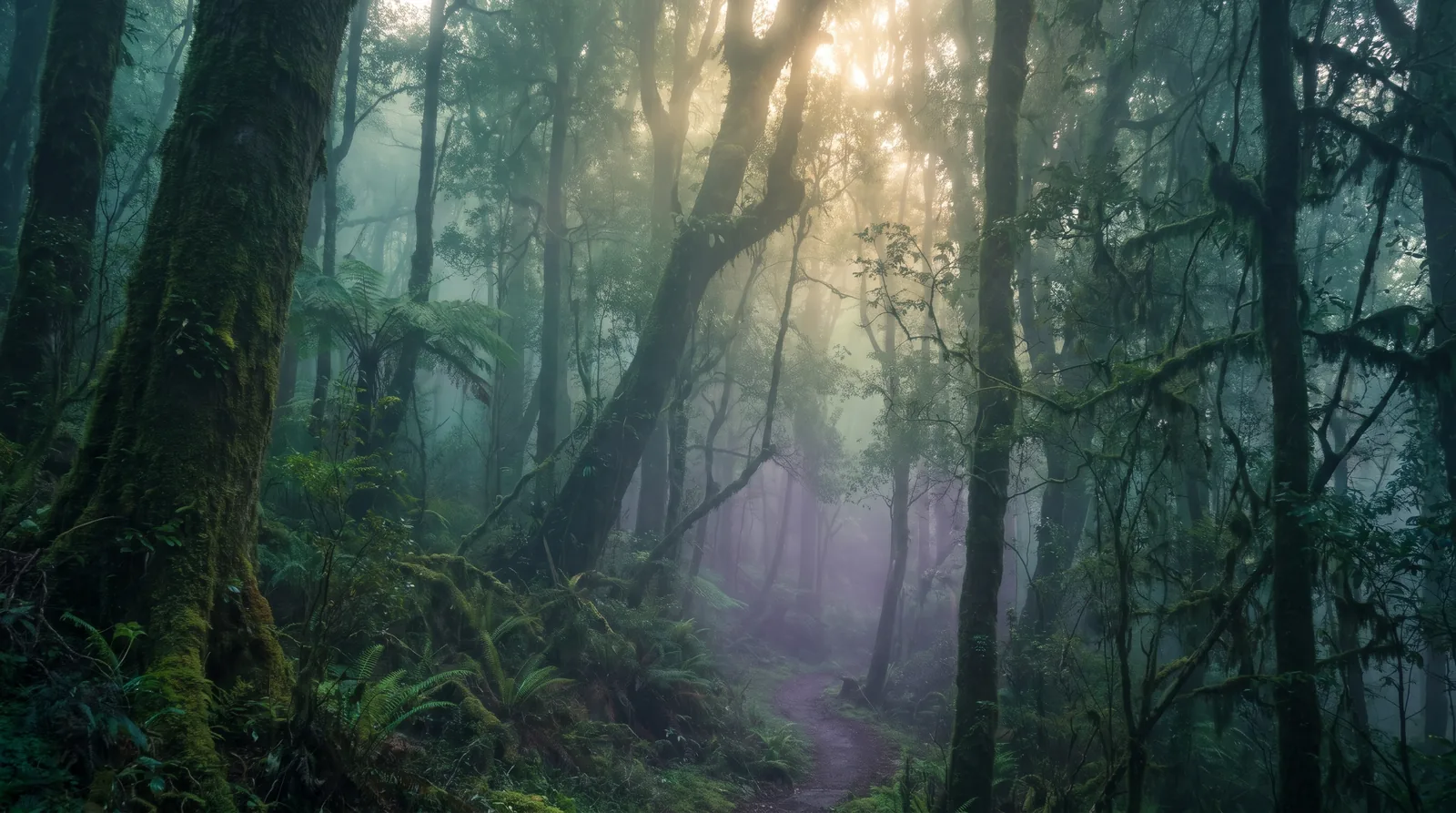 Ancient Wisdom
Shinrin-Yoku: Why Forests Calm the Human Mind
Japan turned a walk in the woods into preventive medicine. The research behind forest bathing, what it does to stress physiology, and how to practise it without a forest.
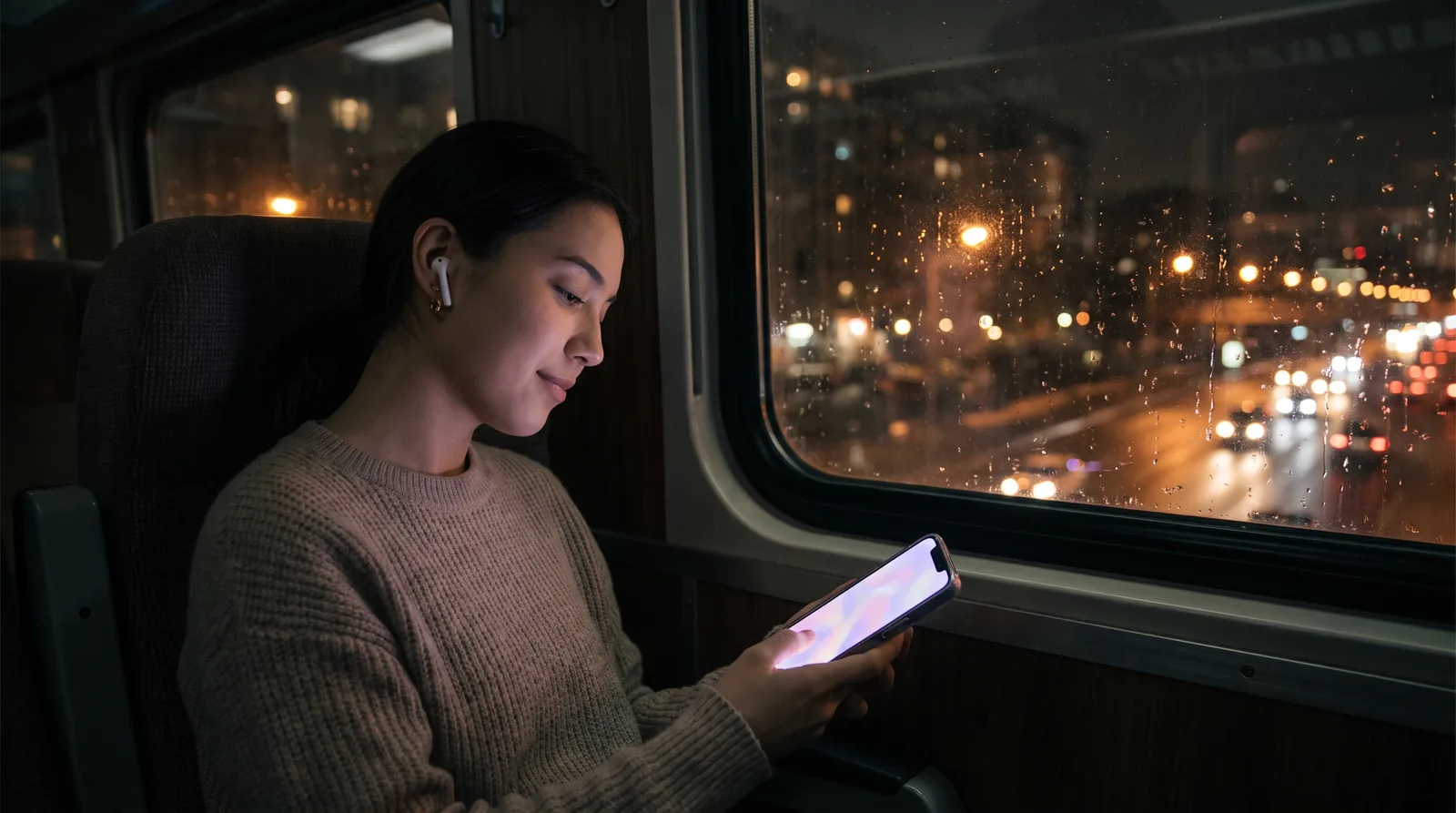 Visual Meditation
Meditation for People Who Can't Meditate
If sitting still with your eyes closed feels impossible, you are not broken. Here is a gentler on-ramp built around senses, movement and very small doses.
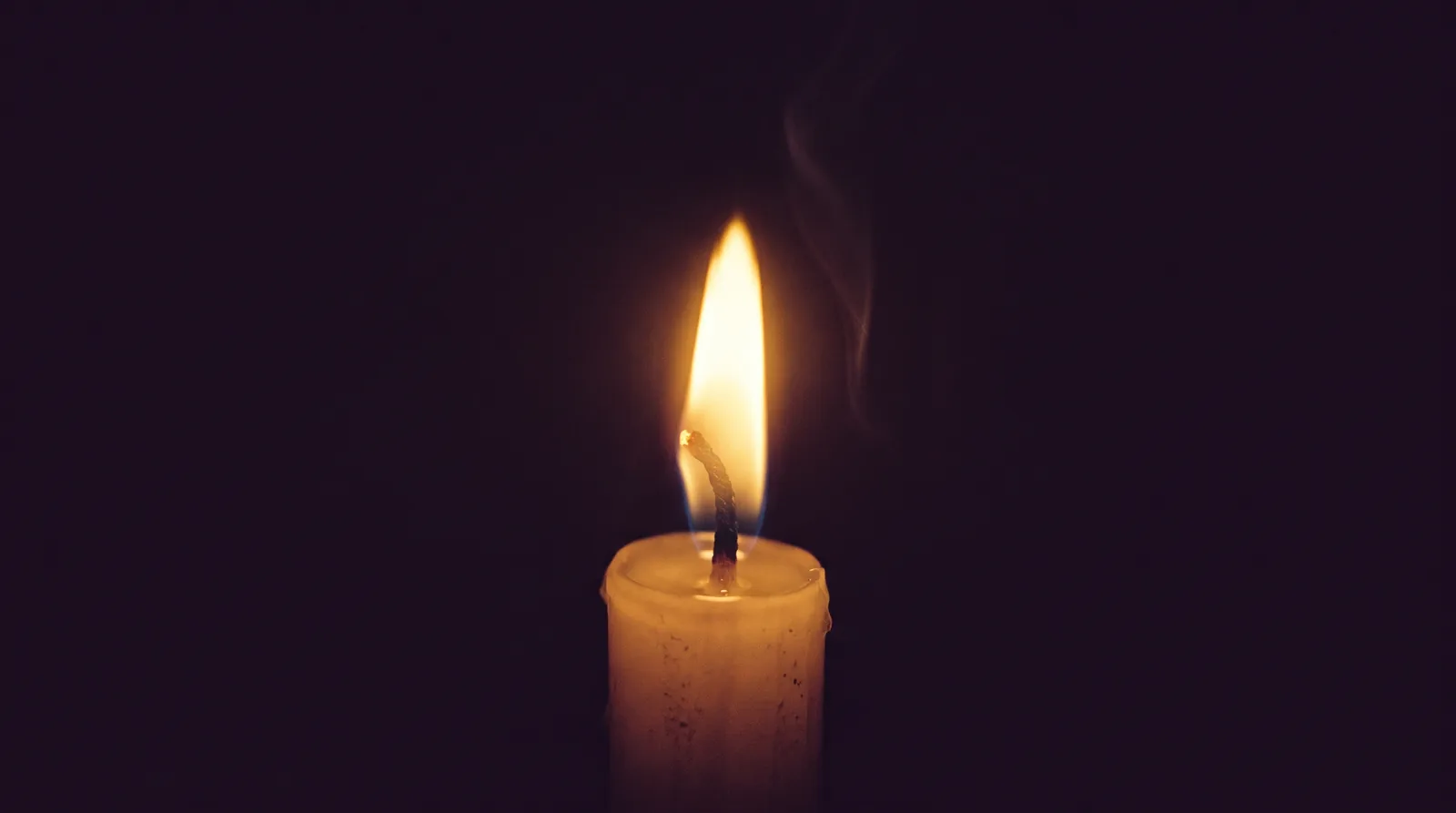 Ancient Wisdom
Trataka: The Original Visual Meditation
Centuries before screens, yogis rested their gaze on a single candle flame. How trataka works, how to practise it safely, and what it teaches modern visual meditation.
 Ancient Wisdom
Döstädning: The Gentle Swedish Art of Death Cleaning
What Swedish death cleaning really means: the calm philosophy of döstädning, how it differs from ordinary decluttering, and how to begin at any age.
 Ancient Wisdom
How to Start a Gratitude Journal You Will Actually Keep
How to start a gratitude journal that actually helps: what the research found, why most lists go stale, and the very old art of counting blessings.
 Ancient Wisdom
Haiku as Meditation: Seventeen Syllables of Attention
How writing haiku trains attention: why the tiny form works like meditation, what noticing small moments does for wellbeing, and how to write your first.