Why Am I Still Tired After 8 Hours of Sleep?
Getting eight hours but waking up exhausted? Here's why time in bed isn't the same as good sleep: fragmentation, timing, alcohol, and what actually helps.
By Kurt Woleret
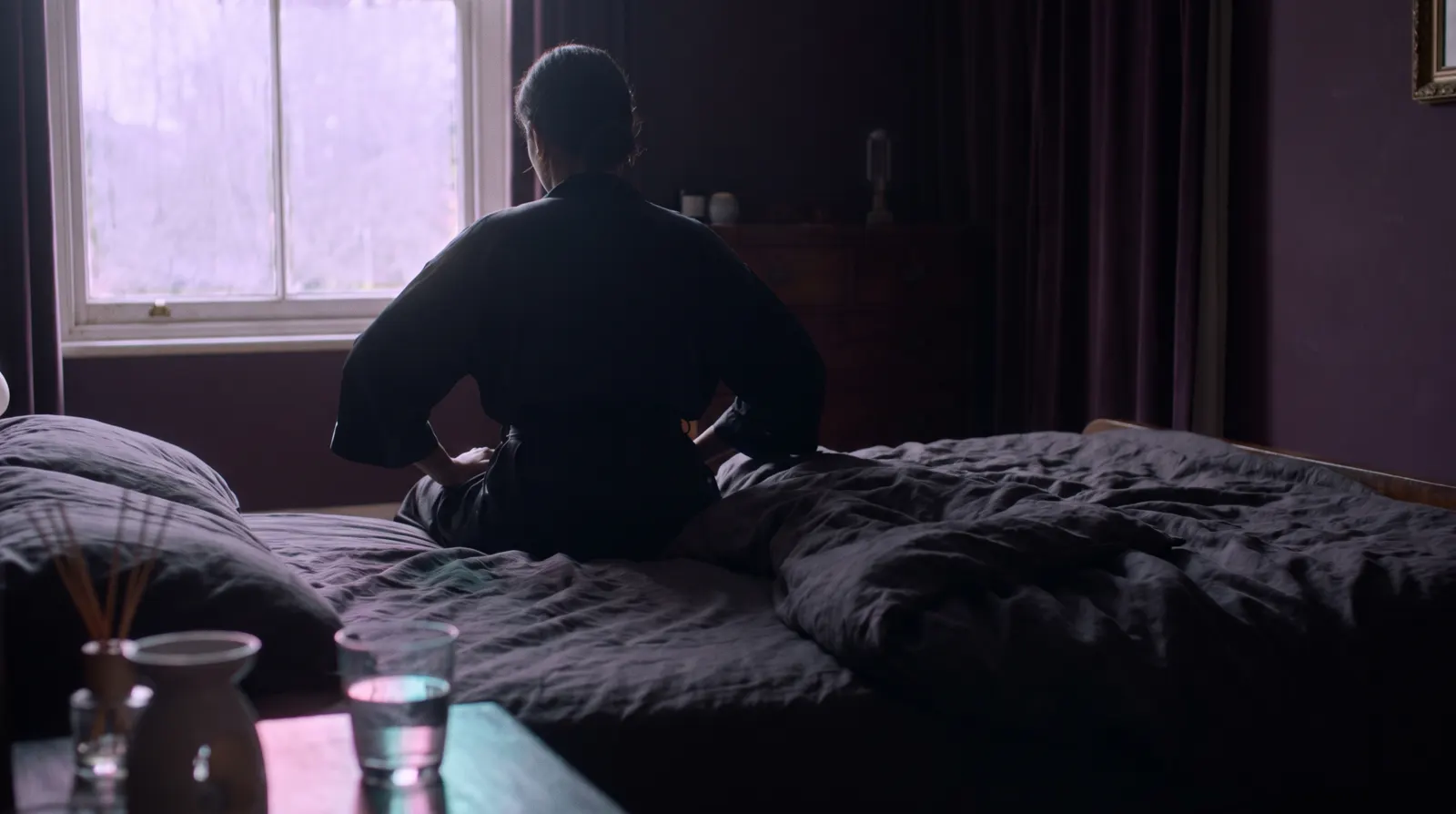
For years I treated sleep like a math problem. Eight hours in, functional human out. Except the math kept failing. I'd log a full eight, sometimes more, and still spend the morning staring at my coffee like it owed me money. If you're doing everything the sleep influencers told you and still waking up wrecked, I have news that's equal parts annoying and useful: eight hours in bed is not the same as eight hours of good sleep. The number on your alarm app is measuring the container, not what's in it.
Time in bed is not time asleep
Start with the obvious leak. Sleep researchers track something called sleep efficiency: the percentage of your time in bed you actually spend asleep. Nobody's is 100. You take time to drift off, you surface briefly between cycles, you have that 4 a.m. negotiation with your bladder. A healthy sleeper might land around 85 to 95 percent. So your proud eight hours might be seven, or six and a half, before we've even discussed quality. If you're waking up tired every day, the first honest question isn't how long you were horizontal. It's how much of that time was actual sleep, and what kind.
Fragmentation: the quiet thief
Here's the part most people have never heard. Your sleep can be ruined by awakenings so short you don't remember them. They're called arousals: little three-to-fifteen-second surfacings where your brain pops toward wakefulness and sinks back down. You can have dozens per hour and report, with total sincerity, that you slept straight through the night. A research review by Stepanski in the journal Sleep pulled together decades of experiments and found that chopping sleep into fragments produces the same kind of daytime sleepiness and reduced functioning as flat-out sleep deprivation. Same hours. Broken continuity. Wrecked morning.
What fragments sleep? Untreated sleep apnea is the big one, and the one worth taking seriously: if you snore loudly, gasp awake, or your partner says you stop breathing, that's a conversation for a doctor, not a blog. But there are smaller saboteurs too. A dog who relocates at 3 a.m. A radiator with opinions. A phone that buzzes face-up on the nightstand. Noise from the street that never quite wakes you but never quite leaves you alone either. None of these show up in your total hours. All of them show up in your face the next day.
You can sleep eight hours and still get six hours of sleep quality. The clock measures the container, not the contents.
You woke up in the wrong lane
Sometimes the sleep was fine and the exit was botched. Waking up from deep sleep, instead of light sleep, triggers sleep inertia: that groggy, gravity-doubled feeling that can drag on for a while after the alarm. It's why the same eight hours can feel great one day and brutal the next; it partly depends on which stage the alarm ambushed you in. Timing matters across the week too. If you sleep 11 to 7 on workdays and 2 to 10 on weekends, you're giving yourself a small dose of jet lag every Monday without going anywhere. Your body clock doesn't know it's the weekend. It just knows you keep moving the goalposts.
The usual suspects worth auditing
Before you decide your sleep is broken, run through the boring checklist. In my experience the culprit is usually hiding in plain sight:
- Alcohol in the evening. It knocks you out faster, then fragments the second half of the night and suppresses REM. A nightcap is a loan against your morning.
- Caffeine after mid-afternoon. It has a long half-life, and even if you fall asleep fine, it can lighten and fragment sleep you never see.
- An erratic schedule. Different bedtimes and wake times every day keep your body clock permanently confused.
- Screens and stress right up to lights out. Going from inbox to pillow with no descent means you spend the first stretch of the night landing instead of sleeping.
- Possible sleep apnea. Loud snoring, gasping, morning headaches, and crushing daytime sleepiness are a medical conversation, full stop.
What actually helps
The unglamorous fixes work best. Keep your wake time consistent, weekends included, or at least close. Get light in your eyes soon after waking; it anchors the clock that decides when tomorrow's sleep will be deep. Move the last drink earlier or skip it. And build an actual descent into the end of your day: thirty minutes where the lights drop, work closes, and your inputs get slower and dumber. This is where I've found slow visuals surprisingly useful. Instead of a feed engineered to keep me alert, I'll put Feelsy's autoplay mode on low brightness and let some texture fold over itself while my brain powers down, or run the guided 4-7-8 breathing exercise when the day is still buzzing in my chest. It's not magic. It's just giving your nervous system a runway instead of a cliff.
Run a one-week audit
If you want to actually solve this instead of collecting sleep facts, run a boring little experiment. For one week, keep bed and wake times fixed, cut alcohol entirely, cap caffeine at lunchtime, and put the phone to bed across the room. Don't change anything else, and don't obsess over a sleep tracker's grade; wearables are decent at spotting patterns and mediocre at judging individual nights, and lying awake worrying about your sleep score is its own special genre of irony. Just note, each morning, how you feel on a one-to-ten scale. If the mornings improve, you've found your levers and you can add things back one at a time to catch the culprit. If a clean week changes nothing, that's genuinely useful information too, and it points to the next section.
When it's not about sleep at all
One honest caveat. If your sleep looks clean, your schedule is consistent, and you're still dragging through every day for weeks, tiredness stops being a sleep-hygiene question and starts being a health question. Persistent exhaustion has a long list of possible causes that no app can rule out, from low iron to thyroid issues to depression. There's no prize for troubleshooting yourself indefinitely. Get it checked. Fatigue is common; relentless fatigue is information.
Feelsy is a wellness product, not medical advice. If stress, anxiety or sleep problems persist, please speak with a qualified professional.
References
- Stepanski, E. J. (2002). The effect of sleep fragmentation on daytime function. Sleep, 25(3), 268-276.
Frequently Asked Questions
Why do I wake up tired after 8 hours of sleep?
Time in bed isn't the same as sleep. Your eight hours may include time falling asleep, brief awakenings, and micro-arousals you don't remember, all of which cut into real rest. Fragmented sleep can leave you as sleepy the next day as genuinely short sleep, so the quality and continuity of the night matter as much as the length.
What is sleep fragmentation?
Sleep fragmentation is when your night is broken up by brief arousals, often just seconds long, that pull your brain toward wakefulness without fully waking you. Research has found that fragmented sleep produces daytime sleepiness and impaired functioning comparable to sleep deprivation. Common causes include sleep apnea, alcohol, noise, pets, and phone notifications.
Does alcohol make you sleep worse even if you fall asleep faster?
Yes. Alcohol is sedating at first, so you may drop off quicker, but it fragments the second half of the night and suppresses REM sleep. The result is a night that looks long on the clock but leaves you groggy. Moving your last drink earlier in the evening, or skipping it, is one of the fastest ways to improve how mornings feel.
When should I see a doctor about being tired all the time?
If you snore loudly, gasp or choke awake, or feel crushing sleepiness during the day, get assessed for sleep apnea. And if your schedule is consistent, your sleep looks fine, and you're still exhausted for weeks on end, see a professional. Persistent fatigue can have medical causes like low iron or thyroid problems that no sleep tip can fix.

About the author
Contributing writer
Kurt is a New York based writer covering the practical science of stress, sleep and focus. He is the resident sceptic of the Journal: if a technique cannot survive a crowded subway commute and a deadline week, he is not interested in it.
Feel it for yourself.
Feelsy turns reading about calm into practising it. Two minutes of a slow texture is often the whole difference.


Related reading
 Sleep
SleepSleep Debt: Can You Really Catch Up on the Weekend?
Weekend lie-ins feel like repayment, but research says sleep debt doesn't clear that easily. What catching up actually fixes, and what it can't.
 Sleep
SleepWhy You Wake Up at 3 AM (and How to Get Back to Sleep)
Waking at 3 AM isn't a curse or a sign something's broken. Here's the sleep science behind those small-hours wake-ups, and what actually gets you back down.
 Breath & Body
Brain Fog: What It Actually Is and How to Clear It
Brain fog isn't a diagnosis, but it's real. Here's what's actually behind that heavy, fuzzy-headed feeling, plus the fixes with real evidence behind them.
 SleepNew
Night Owl vs Early Bird: The Science of Chronotypes
Night owl or early bird isn't a personality flaw or a virtue. It's a chronotype. Here's what the science says about your body clock and how to work with it.
 SleepNew
How to Wake Up Early (Without Hating Your Life)
Want to become a morning person? Here's how to wake up early using light, timing and consistency, based on what circadian science actually shows.
 Sleep
SleepCan't Sleep? Why Getting Out of Bed Is the Counterintuitive Fix
Lying awake trying harder is the one thing that makes insomnia worse. Here's the 20-minute rule, the science of stimulus control, and how to use it.