Green Noise for Sleep: What It Is and Whether the Hype Is Earned
Green noise is the internet's new favorite sleep sound. Here's what green noise actually is, how it differs from white and brown noise, and if it works.
By Kurt Woleret
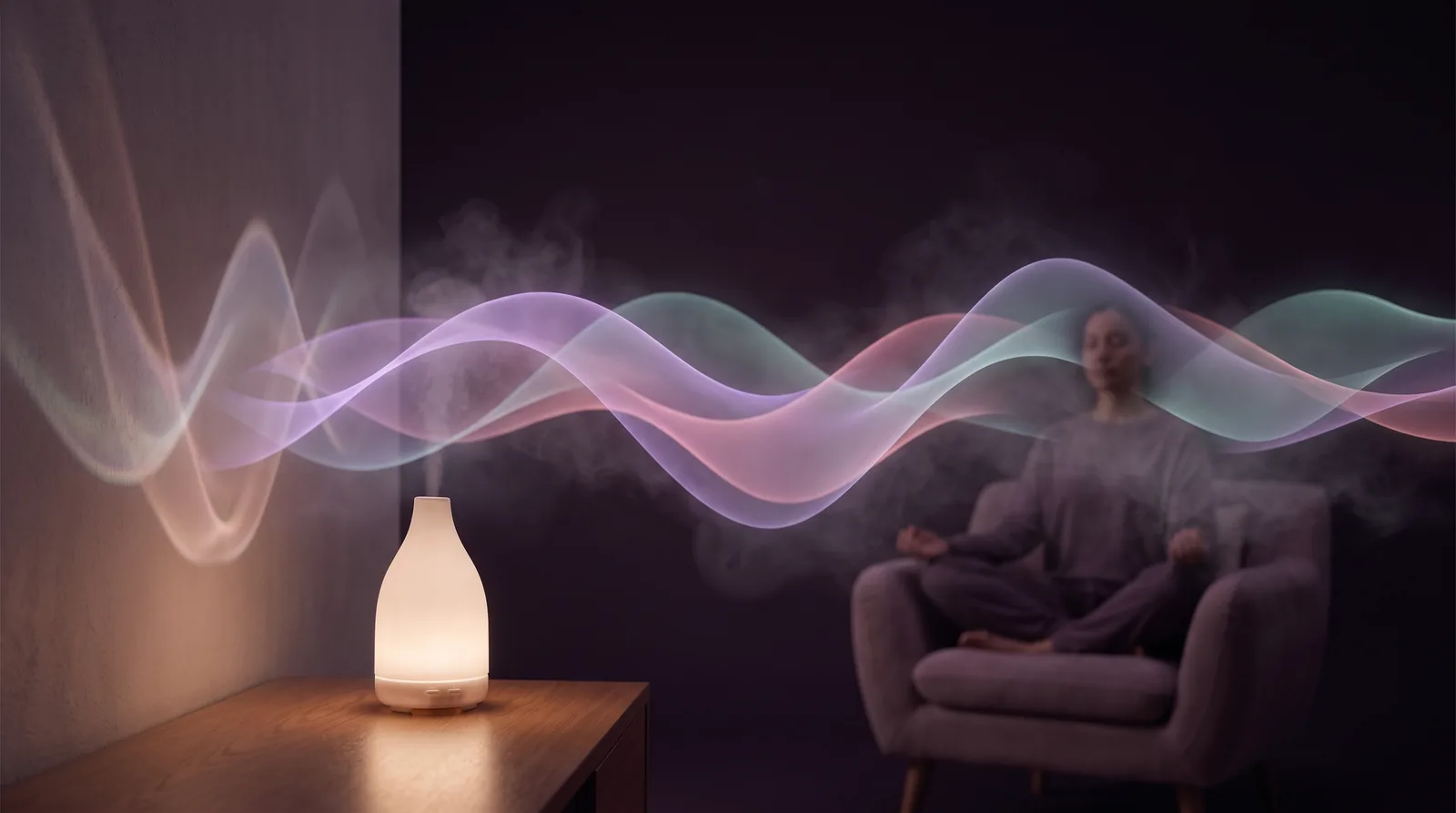
Every year or so the internet elects a new color of noise. White had a long run. Brown got its moment when half of ADHD TikTok discovered it during a deadline week. Now it's green noise, which several million videos promise will knock you out like a gentle anesthetic. I live above a bar in a city that considers 3 a.m. a reasonable time for garbage trucks, so I take any new sleep sound personally. I spent two weeks falling asleep to green noise. Here's what it is, what it isn't, and what the evidence actually supports.
What green noise actually is
First, an honest disclosure: unlike white and pink noise, which have precise engineering definitions, green noise is a loose term. There's no official spec. In practice, everyone using the phrase means roughly the same thing: broadband noise with its energy concentrated in the middle of the audible range, around the frequencies where human hearing is most comfortable, with the harsh top end and the deep rumble both trimmed back. Some audio engineers describe it as the middle slice of the spectrum, centered somewhere near 500 hertz.
The result sounds less like static and more like the outdoors. Steady rain on leaves. A river at a polite distance. Wind moving through a hedge. That's the whole pitch, really: green noise is the color of noise that most resembles the background hum of a natural landscape, which is presumably why somebody named it after grass instead of another appliance.
The part nobody on TikTok mentions
Now the sceptic's paragraph, because you came here for it. There are no published clinical trials on green noise and sleep. None. The sleep research that exists on colored noise was done with white and pink noise, and even that literature is smaller and more mixed than the app stores would have you believe. When a video tells you green noise is 'scientifically proven' to deepen sleep, what it means is that a different color of noise showed modest effects in studies the creator hasn't read. That's not proof. That's vibes with a bibliography problem.
When a video says green noise is 'scientifically proven,' it means a different color showed modest effects in studies the creator hasn't read.
Here's the thing, though: the absence of green-noise trials doesn't make the stuff useless. It means the honest claim is narrower. Steady broadband sound, whatever its color, does one job extremely well, and that job doesn't care what the spectrum is called.
Why any steady noise helps you sleep
Your brain never stops listening. Asleep in a silent room, every isolated sound, a door, a siren, the bar downstairs achieving last call, spikes sharply against the quiet and can yank you toward waking. A continuous wash of noise raises the background floor so those spikes stop towering over it. The siren still happens; it just loses the election. This is masking, it's the best-supported reason any sleep sound works, and green noise happens to be a very comfortable masker: enough low-mid body to swallow traffic and footsteps, none of the icy hiss that makes white noise feel like sleeping inside a television.
So the real question isn't which color is clinically superior. It's which color your particular nervous system stops noticing fastest. The best sleep sound is the one that becomes wallpaper.
Is green noise your color?
Some quick signals from my own testing and from the general logic of the spectrum:
- White noise feels sharp or fatiguing to you: green trims exactly the frequencies that cause that, so it's a natural next stop.
- Brown noise feels like being inside a jet engine: green keeps some of that warmth but lifts the mud, so the room feels open instead of submerged.
- You sleep best to rain videos: green noise is essentially rain with the plot removed, steady all night, no thunderclap plot twists.
- You wake at every high-pitched sound: green's midband emphasis masks voices and TVs better than deep bass rumble does.
How to actually run the experiment
Keep the volume just high enough to soften the room's edges, not so high that the noise becomes a presence of its own; if you're still consciously hearing it ten minutes in, nudge it down. Keep it consistent from night to night so it becomes a cue your body reads as bedtime, and give it at least four or five nights before you rule, because night one your brain is still auditing the new sound and by night four it's furniture. That's the entire protocol. No sensors, no subscription.
This is also exactly the lane Feelsy's soundscapes live in: the warm, natural-leaning end of the spectrum rather than the harsh hiss, built to be left on. Pair one with a slow visual in autoplay mode so your eyes get the same treatment as your ears, and if your mind is still sprinting when the lights go off, run one round of the 4-7-8 exercise first and let the sound handle the descent.
The bottom line
Green noise is a nice sound with a great marketing department. There's no study behind the name, and you should side-eye anyone who says otherwise. But masking is real, comfort is real, and a steady midband wash that resembles rain is a perfectly excellent masker that many people find easier to live with than white noise's hiss or brown noise's rumble. If it helps you sleep through the garbage trucks, it has earned its keep, clinical trials or not. The science can catch up later. Your upstairs neighbor won't wait.
Feelsy is a wellness product, not medical advice. If stress, anxiety or sleep problems persist, please speak with a qualified professional.
Frequently Asked Questions
What is green noise?
Green noise is a loose, unofficial term for broadband noise with energy concentrated in the middle of the audible range, around frequencies where human hearing is most comfortable, with the harsh top end and deep rumble both trimmed back. It sounds like steady rain on leaves or wind through a hedge rather than static.
Is there scientific research proving green noise improves sleep?
No, there are no published clinical trials on green noise and sleep specifically. The sleep research on colored noise was done with white and pink noise, so any claim that green noise is 'scientifically proven' is really borrowing from a different color's studies.
If there's no research, why would green noise still help you sleep?
Steady broadband sound of any color does one job well, called masking: it raises the background noise floor so isolated sounds like sirens or traffic don't spike sharply against silence and pull you toward waking. Green noise is a comfortable masker because it swallows traffic and footsteps without white noise's icy hiss.
How do I know if green noise is the right sound for me?
If white noise feels sharp or fatiguing, green trims exactly the frequencies causing that. If brown noise feels like being inside a jet engine, green keeps some warmth while lifting the mud. If you already sleep well to rain videos, green noise is essentially rain with the plot removed.
How should I test out green noise for sleep?
Keep the volume just high enough to soften the room's edges without becoming its own presence, keep it consistent night to night, and give it at least four or five nights before judging, since night one your brain is still auditing the new sound.

About the author
Contributing writer
Kurt is a New York based writer covering the practical science of stress, sleep and focus. He is the resident sceptic of the Journal: if a technique cannot survive a crowded subway commute and a deadline week, he is not interested in it.
Feel it for yourself.
Feelsy turns reading about calm into practising it. Two minutes of a slow texture is often the whole difference.


Related reading
 Sleep
SleepPink Noise for Sleep: The Color of Static That Actually Deepens Rest
White noise gets the headlines, but pink noise is the one sleep researchers keep testing. Here's what pink noise actually is, and whether it helps you sleep.
 Sleep
SleepBrown Noise for Sleep and Focus: What It Is and Why It Works
Brown noise is the internet's favorite sleep and focus sound. What it actually is, how it differs from white and pink noise, and what research really shows.
 Sleep
SleepWhite Noise for Sleep: What Works and What Does Not
White, pink and brown noise all promise better sleep. Here is what the evidence actually supports, how to choose, and how to set up sound for a quieter night.
 SleepNew
Night Owl vs Early Bird: The Science of Chronotypes
Night owl or early bird isn't a personality flaw or a virtue. It's a chronotype. Here's what the science says about your body clock and how to work with it.
 SleepNew
How to Wake Up Early (Without Hating Your Life)
Want to become a morning person? Here's how to wake up early using light, timing and consistency, based on what circadian science actually shows.
 Sleep
SleepCan't Sleep? Why Getting Out of Bed Is the Counterintuitive Fix
Lying awake trying harder is the one thing that makes insomnia worse. Here's the 20-minute rule, the science of stimulus control, and how to use it.