How Long Should a Nap Be? The Science of Waking Up Better
Ten minutes, twenty, ninety? Nap length decides whether you wake up sharp or wrecked. Here's what sleep research says about the ideal nap, and how to time it.
By Kurt Woleret
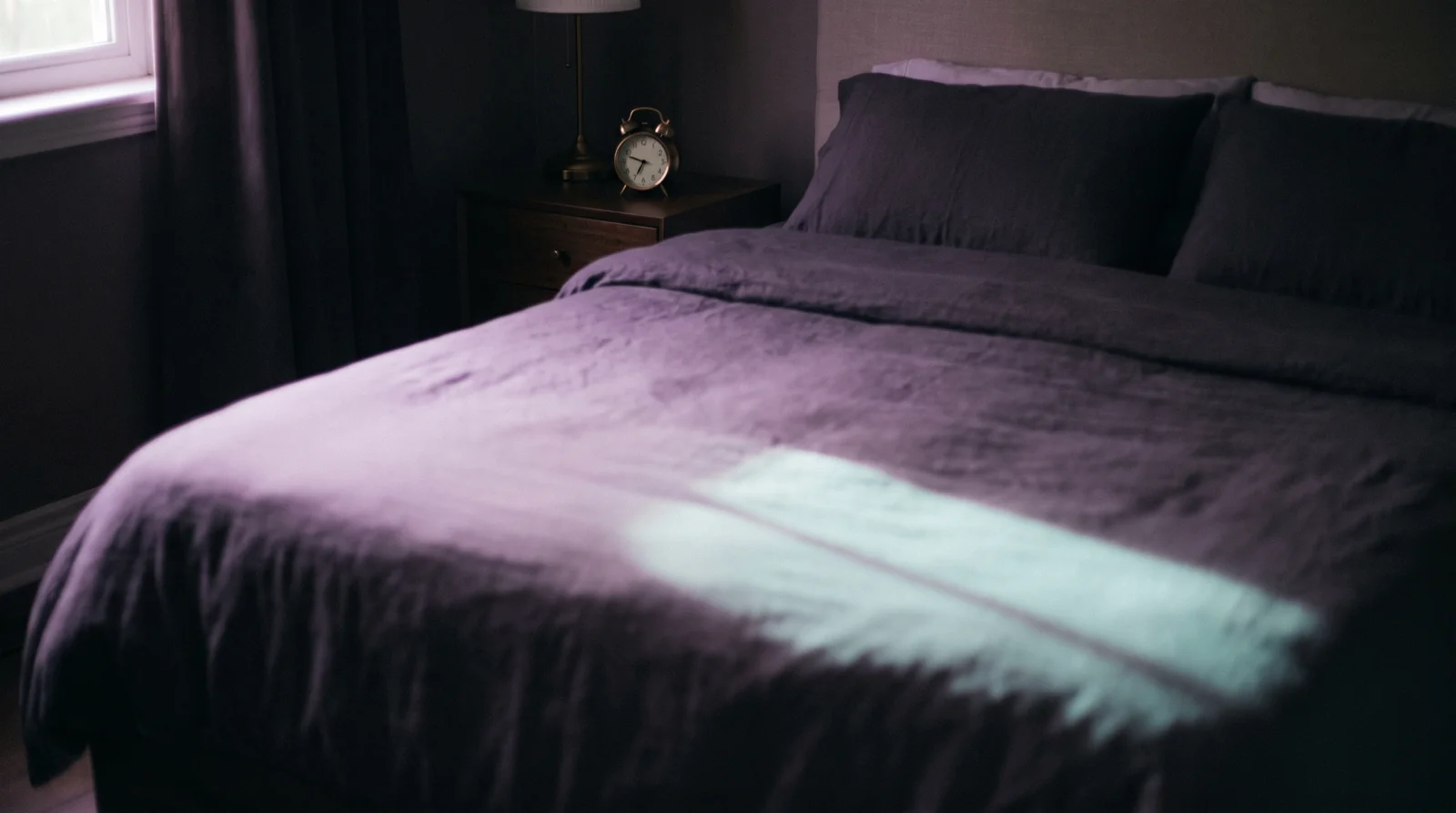
There are two kinds of naps. There's the one where you close your eyes at 2 p.m., surface twenty minutes later, and feel like someone swapped your brain for a newer model. And there's the one where you wake up at dusk, mouth dry, phone dead, unsure what city you're in. Same couch. Same person. The difference is almost entirely one variable: how long you were under.
I nap on deadline weeks the way other people drink espresso, so I've had years to get this wrong in every direction. The research on nap duration is unusually clear by sleep-science standards, and it's worth knowing cold, because a good nap is the closest legal thing to a performance-enhancing drug.
Why long naps leave you wrecked
The villain of the second nap has a name: sleep inertia. It's the groggy, cognitively useless buffer between waking up and actually being awake, and researchers describe impaired alertness and performance that can take a while to fully dissipate after waking (Hilditch & McHill, 2019, Nature and Science of Sleep). Wake from light sleep and inertia is mild, a minute of blinking. Wake from deep slow-wave sleep, the kind your brain slides into somewhere past the half-hour mark, and inertia hits like jet lag. Your prefrontal cortex, the part that does judgment and math, is the last one back at its desk.
This is the entire logic of nap timing. You're not trying to maximize sleep. You're trying to wake up from the right layer of it.
What the head-to-head research found
The cleanest study on this remains a small Australian trial that restricted people's night sleep, then compared afternoon naps of five, ten, twenty, and thirty minutes against no nap at all, measuring alertness and performance for three hours afterward (Brooks & Lack, 2006, Sleep). The winner was not the longest nap. The ten-minute nap delivered immediate improvements in alertness and performance, with benefits that showed up right away and lasted through much of the afternoon. The twenty and thirty-minute naps helped too, but they came with a sleep-inertia tax right after waking, and the thirty-minute version took a while to pay off. Five minutes did little. Ten was the sweet spot: long enough to bank real recovery, short enough to wake from shallow water.
One study, small sample, sleep-restricted young adults, so hold the exact minutes loosely. But the shape of the finding has aged well: short naps front-load their benefits; longer naps borrow against your next hour. There's a separate case for the full ninety-minute cycle nap, which gives you a complete pass through the sleep stages and tends to spit you out at the light end again. If you have ninety minutes to spend on a weekday afternoon, I salute you and your calendar.
You're not trying to sleep more. You're trying to wake up from the right layer.
The field guide
- Ten to twenty minutes is the default. Set an alarm for twenty-five to account for drift-off time. This is the sharp-by-3-p.m. nap.
- Never thirty to sixty. That window parks you in deep sleep just in time for the alarm. It's the worst of both worlds: real inertia, incomplete cycle.
- Ninety if you can afford it. A full cycle, useful after brutal nights. Treat it as a scheduled event, not an accident on the couch.
- Nap before 3 p.m. Late naps eat the sleep pressure you need at bedtime, and then you're reading articles like this at 1 a.m.
- Caffeine right before a short nap is a real trick. The coffee takes about twenty minutes to land, which is exactly when your alarm goes off. Two stimulants, one exit.
The hard part is the falling asleep
Nobody tells you the actual skill in napping isn't the sleeping, it's the descent. You have twenty minutes, your to-do list knows it, and lying in afternoon light listening to your own deadlines is not sleep, it's a staff meeting with your eyes closed. What works is giving your head a slower channel to tune to. Dim the room as best you can. Then give the last minute before eyes-closed to something with no plot: I'll put on one slow texture in Feelsy, something dark and syrupy moving at pour speed, sound low, and let autoplay mind the store; when my thoughts are really sprinting, a round of the built-in 4-7-8 breathing exercise slows the cadence enough for the nap to catch. The point isn't the app, it's the off-ramp. A brain needs a downhill grade, not a cliff.
Location matters more than nappers admit, too. The couch under a window beats the bed for short naps, and not just for romance: getting fully horizontal in your actual bed, under actual covers, tells your body this is the real thing, and the descent goes deeper than you wanted. For a ten-to-twenty minute top-up, slightly imperfect comfort is a feature. A couch, a reclined chair, even a folded hoodie against a wall in a pinch. You want the shallow end of the pool, so don't dive in off the board.
And if you don't sleep at all? Still fine. Quiet wakeful rest with closed eyes has measurable restorative value, and ten horizontal minutes not looking at a screen is a better afternoon than most. The nap is a target, not a test.
Know which problem you're solving
One honest caveat to end on. The nap research above is about topping up healthy-ish people who are short on sleep: shift workers, new parents, deadline casualties. If you need long naps every single day to function, or you're fighting irresistible sleep attacks, that's not an optimization problem, that's a signal worth taking to a professional. For everyone else: ten to twenty minutes, before mid-afternoon, alarm set, no guilt. The siesta cultures had this figured out centuries before anyone put electrodes on a napper. We're just catching up with the receipts.
Feelsy is a wellness product, not medical advice. If stress, anxiety or sleep problems persist, please speak with a qualified professional.
References
- Brooks, A., & Lack, L. (2006). A brief afternoon nap following nocturnal sleep restriction: which nap duration is most recuperative? Sleep, 29(6), 831–840.
- Hilditch, C. J., & McHill, A. W. (2019). Sleep inertia: current insights. Nature and Science of Sleep, 11, 155–165.
Frequently Asked Questions
Why do long naps sometimes leave you feeling worse than before?
The culprit is sleep inertia, a groggy, cognitively useless buffer between waking up and actually being awake, which can take a while to fully dissipate (Hilditch and McHill, 2019). Waking from light sleep produces mild inertia, but waking from deep slow-wave sleep, which you reach past the half-hour mark, hits much harder because the prefrontal cortex is the last part of the brain to come back online.
What is the ideal nap length according to research?
A small Australian trial compared naps of five, ten, twenty and thirty minutes against no nap, and found the ten-minute nap delivered immediate improvements in alertness and performance that lasted through much of the afternoon, while twenty and thirty-minute naps came with a sleep-inertia tax right after waking (Brooks and Lack, 2006). Five minutes did little, making ten minutes the sweet spot in that study.
What nap length should you avoid?
The article warns against the thirty-to-sixty-minute window, since that length parks you in deep sleep just in time for the alarm, giving you real inertia along with an incomplete sleep cycle, the worst of both worlds.
Is there a case for longer, ninety-minute naps?
Yes, a full ninety-minute nap allows a complete pass through the sleep stages and tends to release you at the light end again, making it useful after particularly bad nights. It should be treated as a scheduled event rather than something to fall into accidentally on the couch.
How can you fall asleep faster during a short nap?
The article suggests dimming the room and giving the last minute before closing your eyes something with no plot, like a slow, dark visual texture on low volume, or a round of 4-7-8 breathing if thoughts are racing. It also recommends napping before 3 p.m. and choosing a slightly less comfortable spot like a couch rather than a fully made bed, since imperfect comfort helps keep a short nap shallow.

About the author
Contributing writer
Kurt is a New York based writer covering the practical science of stress, sleep and focus. He is the resident sceptic of the Journal: if a technique cannot survive a crowded subway commute and a deadline week, he is not interested in it.
Feel it for yourself.
Feelsy turns reading about calm into practising it. Two minutes of a slow texture is often the whole difference.


Related reading
 Sleep
SleepHow to Fall Asleep Faster: Sound, Light and Ritual
Falling asleep is a skill, not a stroke of luck. Here is how sound, light and a 15-minute ritual can quiet a racing mind and shorten the trip to sleep.
 Sleep
SleepBrown Noise for Sleep and Focus: What It Is and Why It Works
Brown noise is the internet's favorite sleep and focus sound. What it actually is, how it differs from white and pink noise, and what research really shows.
 Sleep
SleepHow to Stop Racing Thoughts at Night
Racing thoughts at night are a habit the brain can unlearn. Here is why minds speed up at bedtime and the techniques that quiet them, step by step.
 SleepNew
Night Owl vs Early Bird: The Science of Chronotypes
Night owl or early bird isn't a personality flaw or a virtue. It's a chronotype. Here's what the science says about your body clock and how to work with it.
 SleepNew
How to Wake Up Early (Without Hating Your Life)
Want to become a morning person? Here's how to wake up early using light, timing and consistency, based on what circadian science actually shows.
 Sleep
SleepCan't Sleep? Why Getting Out of Bed Is the Counterintuitive Fix
Lying awake trying harder is the one thing that makes insomnia worse. Here's the 20-minute rule, the science of stimulus control, and how to use it.