Memento Mori: The Ancient Practice of Remembering You Will Die
Memento mori, the old discipline of remembering death, was never meant to be morbid. Here is its history, and why the reminder tends to produce gratitude.
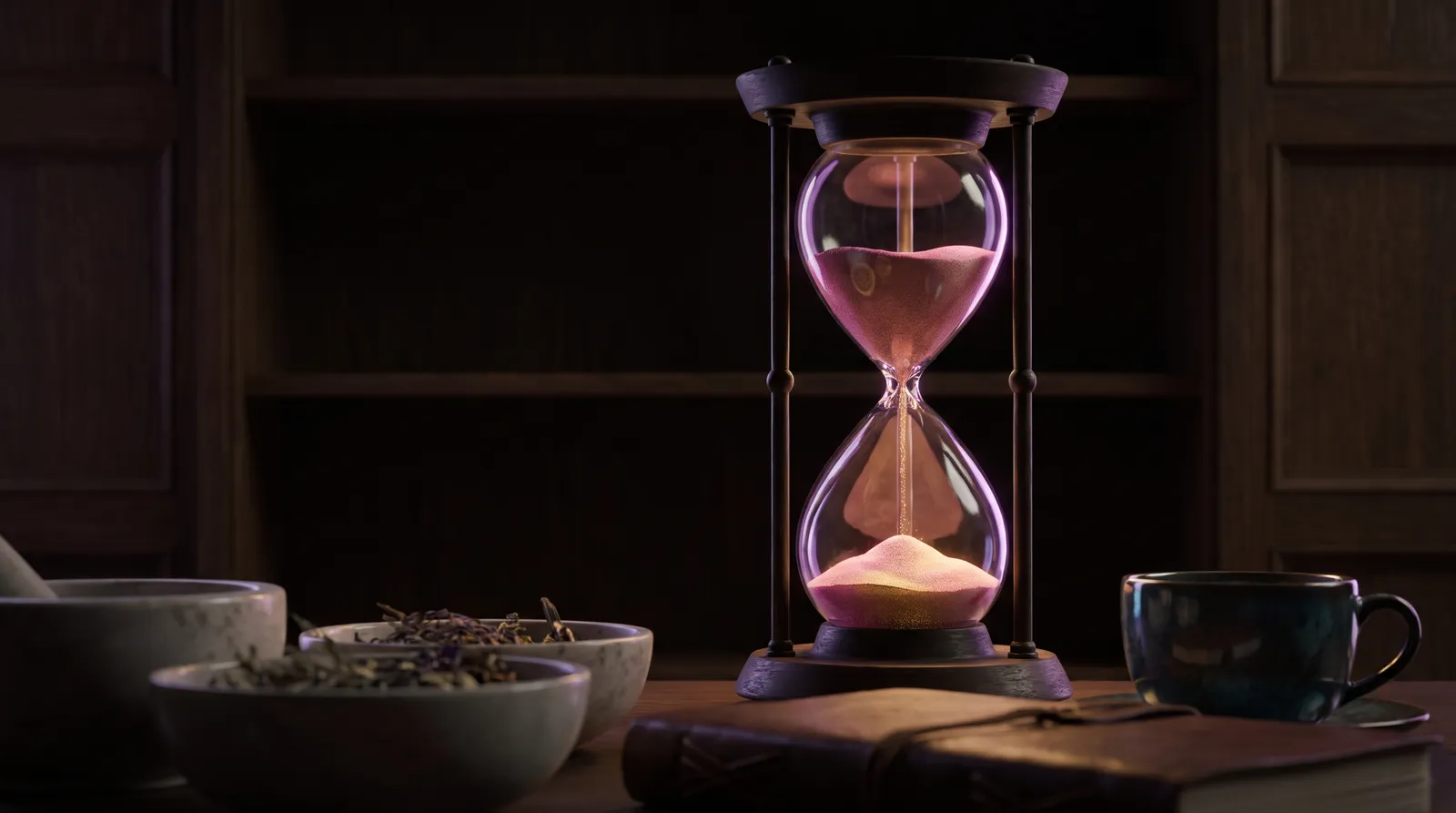
There is a story told of the Roman triumph, that grandest of ancient spectacles, in which a victorious general paraded through the city in a gilded chariot while the crowds roared his name. Behind him in the chariot, tradition has it, stood a slave with a single duty: to lean close, amid all that glory, and murmur a reminder that the general was mortal. Look behind you. Remember you are a man. Whether the detail is precisely accurate hardly matters; Rome loved the idea enough to preserve it. At the summit of human vanity, someone must whisper the one fact that outranks the applause.
The phrase that grew from this sensibility, memento mori, remember that you die, names one of the oldest contemplative practices in the world. It sounds, to modern ears, like an invitation to gloom. It was intended as the opposite: a discipline for waking up. And in one of the quieter ironies of modern psychology, the research that exists suggests the ancients had the effect exactly right.
A discipline, not a mood
It is important to say what memento mori is not. It is not anxiety about death, which visits uninvited at three in the morning and clarifies nothing. It is not the intrusive dread that accompanies grief or illness, and nothing in this tradition asks anyone to seek that out. The old practice is deliberate, brief and framed: a chosen moment, in daylight, in which one holds the fact of finitude calmly in view, the way one might glance at a map, and then returns to the day. The difference between the two is the difference between being ambushed by deep water and learning, in a supervised pool, to swim.
Framed this way, the practice appears in nearly every contemplative tradition the world has produced. The Stoics made it a cornerstone: Seneca advised treating each day as a completed life, and Marcus Aurelius, in his private notebooks, returned again and again to the shortness of the span, not to despair of it but to spend it deliberately. Buddhist traditions cultivate maranasati, mindfulness of death, as a spur to compassion and presence. Medieval Europe painted skulls and hourglasses into still lifes, the vanitas paintings, so that a merchant glancing up from his ledgers might remember what the ledgers could not buy. The Japanese sensibility of mono no aware, the gentle ache in the awareness that all things pass, folds the same recognition into the appreciation of cherry blossom, lovelier for lasting a week.
The reminder of the ending is not the enemy of the feast. It is the thing that makes it a feast, rather than a queue for food.
What the reminder actually does
For a long time, psychology mostly studied death-awareness in its ambushing form, and found, unsurprisingly, that people flinch. But researchers have also examined the reflective form, closer to what the Stoics prescribed, in which participants are guided to imagine their own ending calmly and consider what would matter in its light. In one study, this kind of structured death reflection measurably increased gratitude for the life the participants were actually living, compared with those who reflected on a neutral topic (Frias et al., 2011, The Journal of Positive Psychology).
The finding is small and specific, as honest findings tend to be, but note its direction. The reminder of death did not produce despair; it produced thankfulness. Scarcity, it seems, is half of value. The same afternoon reads differently when the mind quietly registers that afternoons are not issued in unlimited supply. The ancients arrived at this by observation rather than experiment, which is why a Roman could keep a skull on his desk and a hourglass by his window and consider himself, by doing so, a student of joy.
A gentle practice for ordinary days
How might a modern person practise memento mori without theatrical props? Gently, briefly, and on purpose. The evening suits it best, I find, because endings are the natural hour for thinking about endings. A form I have settled into over the years:
- At the close of the day, sit somewhere unhurried for five minutes, perhaps with something slow to watch: a candle, the darkening sky, a drifting texture in Feelsy with the lights low.
- Call the day back in a few scenes, as the Stoic evening review does: what happened, what you did, who you spoke to.
- Then, calmly, the old thought: my days are numbered, and this was one of them. Hold it for a breath or two, without drama, as a fact rather than a fear.
- Ask the Stoic question: if my supply of such days is finite, was this one spent on things I actually value? Let the answer be information, not a verdict.
- End on gratitude: name one thing about this finite, unrepeatable day that you are glad happened. Then let the practice go, and go to bed.
Five minutes is ample. The practice is a seasoning, not a meal, and more of it is not better. If the thought turns heavy rather than clarifying, set it down; the tradition itself would counsel nothing else, and reflection of this kind is meant to sharpen life, never to darken it. Those carrying fresh grief, or for whom thoughts of death arrive uninvited and painful, should feel entirely free to leave this practice alone, or to keep only its final step, the gratitude, which stands perfectly well on its own.
The whisper in the chariot
What moves me about the Roman story is not the skull-keeping or the Latin, but the arrangement itself: the wisest thing in the triumph was the whisper. Every tradition that kept a version of this practice was building the same machinery, a small voice riding along behind the day's noise, saying: this is not infinite, so look at it properly. Most of our unhappiness with ordinary days comes from treating them as rehearsals. The old reminder, held gently, returns them to what they are, which is the performance itself, already under way, lovelier for lasting only a week.
Feelsy is a wellness product, not medical advice. If stress, anxiety or sleep problems persist, please speak with a qualified professional.
References
- Frias, A., Watkins, P. C., Webber, A. C., & Froh, J. J. (2011). Death and gratitude: Death reflection enhances gratitude. The Journal of Positive Psychology, 6(2).
Frequently Asked Questions
What does memento mori mean?
Memento mori is Latin for 'remember that you die'. It names an ancient contemplative discipline, found in Stoic philosophy, Buddhist maranasati and medieval vanitas art, in which one deliberately and calmly holds the fact of mortality in view for a brief moment. It was never intended as morbid; the ancients treated it as a way of waking up to the value of ordinary days.
Is memento mori depressing?
The tradition distinguishes deliberate, framed reflection from uninvited dread, and research suggests the deliberate kind points the other way: in one study, participants guided through calm reflection on their own mortality showed increased gratitude for their lives compared with those reflecting on a neutral topic. The reminder of scarcity tends to make days feel more valuable, not less. Anyone carrying fresh grief, though, should feel free to leave the practice alone.
How do you practise memento mori?
Gently, briefly and on purpose. One evening form: sit unhurried for five minutes, review the day in a few scenes, then calmly hold the thought that your days are numbered and this was one of them. Ask whether the day was spent on things you value, treating the answer as information rather than a verdict, and end by naming one thing you are glad happened. Five minutes is ample; the practice is a seasoning, not a meal.
Which cultures practised memento mori?
Versions appear across the contemplative world. Roman tradition tells of a slave whispering reminders of mortality to triumphant generals, and Stoics such as Seneca and Marcus Aurelius made the shortness of life central to their practice. Buddhist traditions cultivate maranasati, mindfulness of death; medieval Europe painted skulls and hourglasses into vanitas still lifes; and the Japanese sensibility of mono no aware finds beauty sharpened by impermanence, as with cherry blossom.

About the author
Contributing writer
Eleonor writes about contemplative traditions, attention and the cultural history of calm. She has spent two decades collecting the rituals humans use to slow down, from zazen halls to hammams, and translating them for modern, screen-lit lives.
Feel it for yourself.
Feelsy turns reading about calm into practising it. Two minutes of a slow texture is often the whole difference.


Related reading
 Ancient Wisdom
The Stoic Evening Ritual: How to Close a Day
Seneca reviewed his day every night; Marcus Aurelius wrote himself calm. The Stoic evening practice, why closure beats rumination, and how to run it in ten minutes.
 Ancient Wisdom
Wabi-Sabi: The Japanese Art of Finding Calm in Imperfection
What wabi-sabi really means: the Japanese aesthetic of imperfect, impermanent beauty, and how its quiet philosophy softens perfectionism and stress.
 Ancient Wisdom
What Is Ikigai? The Japanese Sense of a Life Worth Living
Ikigai is the Japanese sense of a life worth living. What the word really means, what the famous Venn diagram gets wrong, and how to notice your own.
 Ancient Wisdom
Döstädning: The Gentle Swedish Art of Death Cleaning
What Swedish death cleaning really means: the calm philosophy of döstädning, how it differs from ordinary decluttering, and how to begin at any age.
 Ancient Wisdom
How to Start a Gratitude Journal You Will Actually Keep
How to start a gratitude journal that actually helps: what the research found, why most lists go stale, and the very old art of counting blessings.
 Ancient Wisdom
Haiku as Meditation: Seventeen Syllables of Attention
How writing haiku trains attention: why the tiny form works like meditation, what noticing small moments does for wellbeing, and how to write your first.