The Doorway Effect: Why You Forget What You Came For
You walk into the kitchen and the reason evaporates. The doorway effect is real, studied, and surprisingly useful for understanding how attention works.
By Kurt Woleret
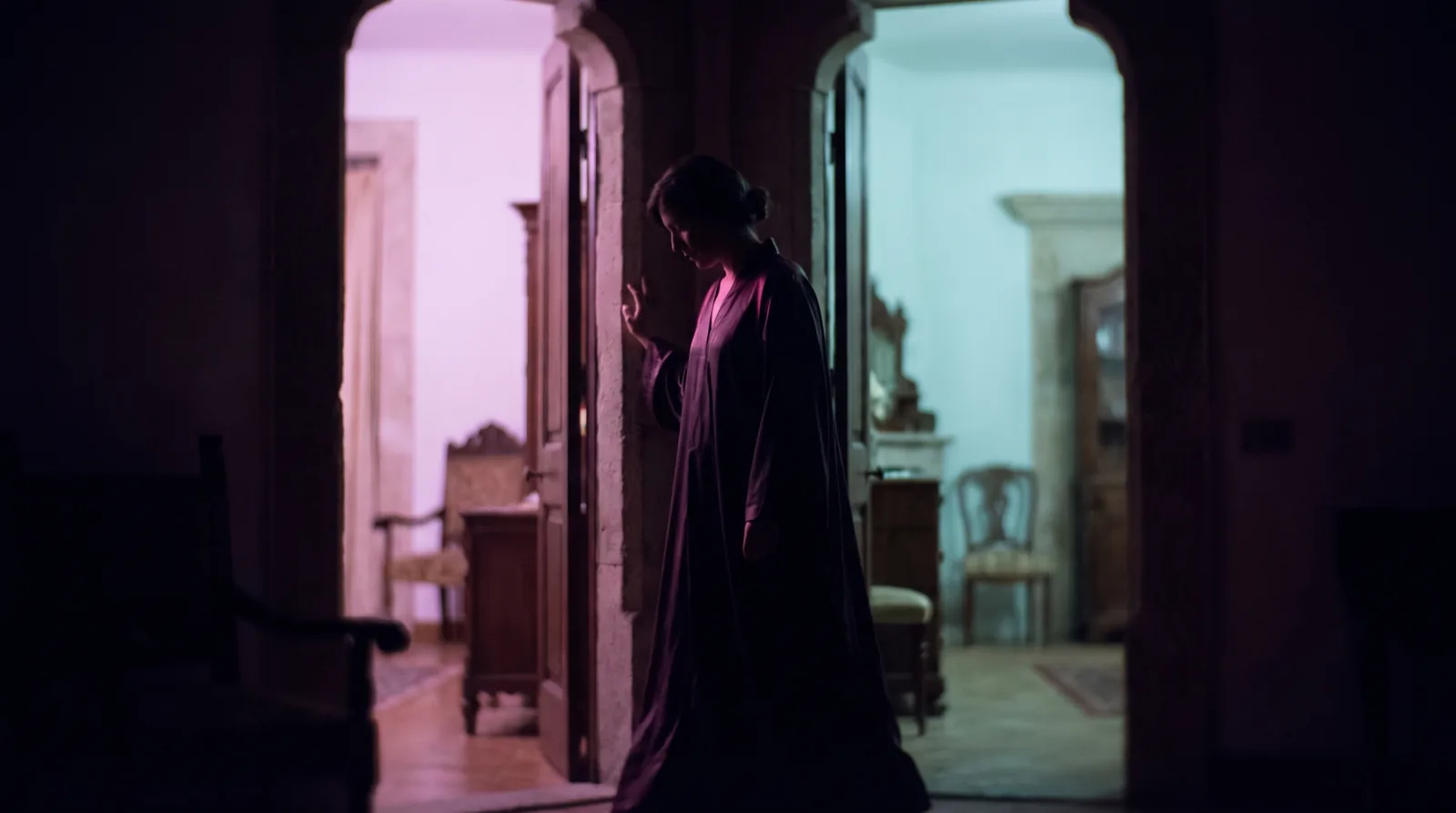
You stand up with a purpose. You walk to the kitchen, arrive with conviction, and stop dead: the reason is gone. Not fuzzy. Gone. You retrace your steps, and somewhere around the living room doorway the mission reappears, slightly embarrassed, like it had stepped out for a smoke.
This is not early decline, and it's not your attention span dissolving. It's a documented quirk of how memory is organized, it has a name, and the name is almost too on-the-nose: the doorway effect.
The experiment with the doors
Researchers at the University of Notre Dame tested this directly. Participants carried objects through a virtual environment and were quizzed on what they were carrying. Memory was reliably worse right after passing through a doorway than after walking the same distance within one room (Radvansky et al., 2011, Quarterly Journal of Experimental Psychology). The result held when they rebuilt the experiment in real rooms with real doors.
The best part is the control condition: walking through several doorways and returning to the original room didn't bring the memory back. It's not about which room you're in. The doorway itself does the damage.
Your brain files by event
The leading explanation is called an event boundary. Your brain doesn't store the day as one continuous tape; it chops experience into episodes and files each one when it ends. A doorway is a strong signal that one episode has ended and another has begun. So the brain helpfully archives the previous scene, including, unfortunately, the errand that belonged to it.
Seen that way, the doorway effect isn't a bug. It's the filing system working exactly as designed, just with no respect for your snack retrieval mission. The forgetting is the price of a brain that keeps contexts tidy instead of letting every room bleed into the next.
The errand didn't vanish. It got filed with the room it belonged to.
What to do about it
- Say the errand out loud, or at least subvocalize it, as you cross the threshold. Carrying the intention as language keeps it active across the boundary.
- Tie it to an object: picture the scissors in the kitchen drawer, not just 'get scissors.' Images survive boundaries better than abstract intentions.
- If it's already gone, go back. Returning to the original context genuinely helps reinstate the memory cue, which is why the mission reappears near the sofa.
- For errands that matter, write them down before you stand up. Boring, undefeated.
The calm angle
Here's what I actually take from this research: context switches are expensive, and your brain treats even a literal doorway as one. Now count your figurative doorways on a normal morning: inbox to chat to feed to spreadsheet, each a boundary, each triggering a little archive-and-reload. No wonder the day feels choppy and nothing seems to stick.
The fix runs in both directions. Fewer needless boundaries when you want continuity: one task, one screen, notifications off. And one deliberate boundary when you want a reset: a slow walk through an actual door, a stretch, or two minutes with a single slow texture in Feelsy and a long 4-7-8 exhale between one block of work and the next. If your brain insists on filing by scene, you might as well choose where the scenes end.
And the next time you stand in the kitchen with no idea why you came, relax. Your memory isn't failing. It's just a little too organized.
Feelsy is a wellness product, not medical advice. If stress, anxiety or sleep problems persist, please speak with a qualified professional.
References
- Radvansky, G. A., Krawietz, S. A., & Tamplin, A. K. (2011). Walking through doorways causes forgetting: Further explorations. Quarterly Journal of Experimental Psychology, 64(8), 1632-1645.
Frequently Asked Questions
What is the doorway effect?
The doorway effect is the well-documented experience of walking into another room and forgetting why you went there. In experiments at the University of Notre Dame, memory for carried objects was reliably worse right after passing through a doorway than after walking the same distance within one room, in both virtual and real environments.
Why does walking through a door make you forget?
The leading explanation is event boundaries: your brain stores experience as episodes and files each one when it ends, and a doorway is a strong signal that one episode has ended. The previous scene gets archived, including the intention that belonged to it. Notably, walking back through several doorways to the original room did not restore memory in the experiments, suggesting the boundary itself causes the forgetting.
Is the doorway effect a sign of memory problems?
No. It happens to healthy people of all ages and is considered a normal feature of how memory organizes experience into contexts. It's the filing system working as designed rather than failing. If forgetting is frequent, severe, or affecting daily life in other ways, that's worth discussing with a doctor, but losing an errand at a threshold is ordinary.
How can I stop forgetting what I came for?
Keep the intention active across the boundary: say the errand to yourself as you cross, or picture the specific object you're going to get. If the thought is already gone, returning to the room where you had it often brings it back, because the original context reinstates the cue. For anything important, writing it down before you stand up remains undefeated.

About the author
Contributing writer
Kurt is a New York based writer covering the practical science of stress, sleep and focus. He is the resident sceptic of the Journal: if a technique cannot survive a crowded subway commute and a deadline week, he is not interested in it.
Feel it for yourself.
Feelsy turns reading about calm into practising it. Two minutes of a slow texture is often the whole difference.


Related reading
 Visual Meditation
Meditation for People Who Can't Meditate
If sitting still with your eyes closed feels impossible, you are not broken. Here is a gentler on-ramp built around senses, movement and very small doses.
 Visual Meditation
What Is Visual Meditation? The Complete Guide
Visual meditation rests your attention on slow, pleasing motion so calm happens almost on its own. Here is how it works, what the research says, and how to practise it in three minutes.
 Breath & Body
The 4-7-8 Breathing Technique, Step by Step
A focused walkthrough of the 4-7-8 breath: what it is, how to do it, why the long exhale calms you, and when to use it during the day and before sleep.
 Visual Meditation
Why Islamic Geometric Patterns Calm the Eye
From the Alhambra to a mosque ceiling, Islamic geometric patterns hold attention without exhausting it. How star-and-polygon design works, and why order soothes.
 Visual Meditation
Apricity: The Forgotten Pleasure of Winter Sun
Apricity is a forgotten English word for the warmth of the sun in winter. Here is why a few minutes of low winter sunlight can soften the darkest months.
 Visual Meditation
Momijigari: The Japanese Art of Autumn Leaf Viewing
Momijigari is the old Japanese tradition of travelling to see autumn leaves. Here is why fiery foliage calms the mind, and how to practise it anywhere.