What's the Best Sleeping Position? An Honest Look at the Science
Side, back, or stomach? What research actually says about the best sleeping position for snoring, reflux, and back pain, and when to stop worrying.
By Kurt Woleret
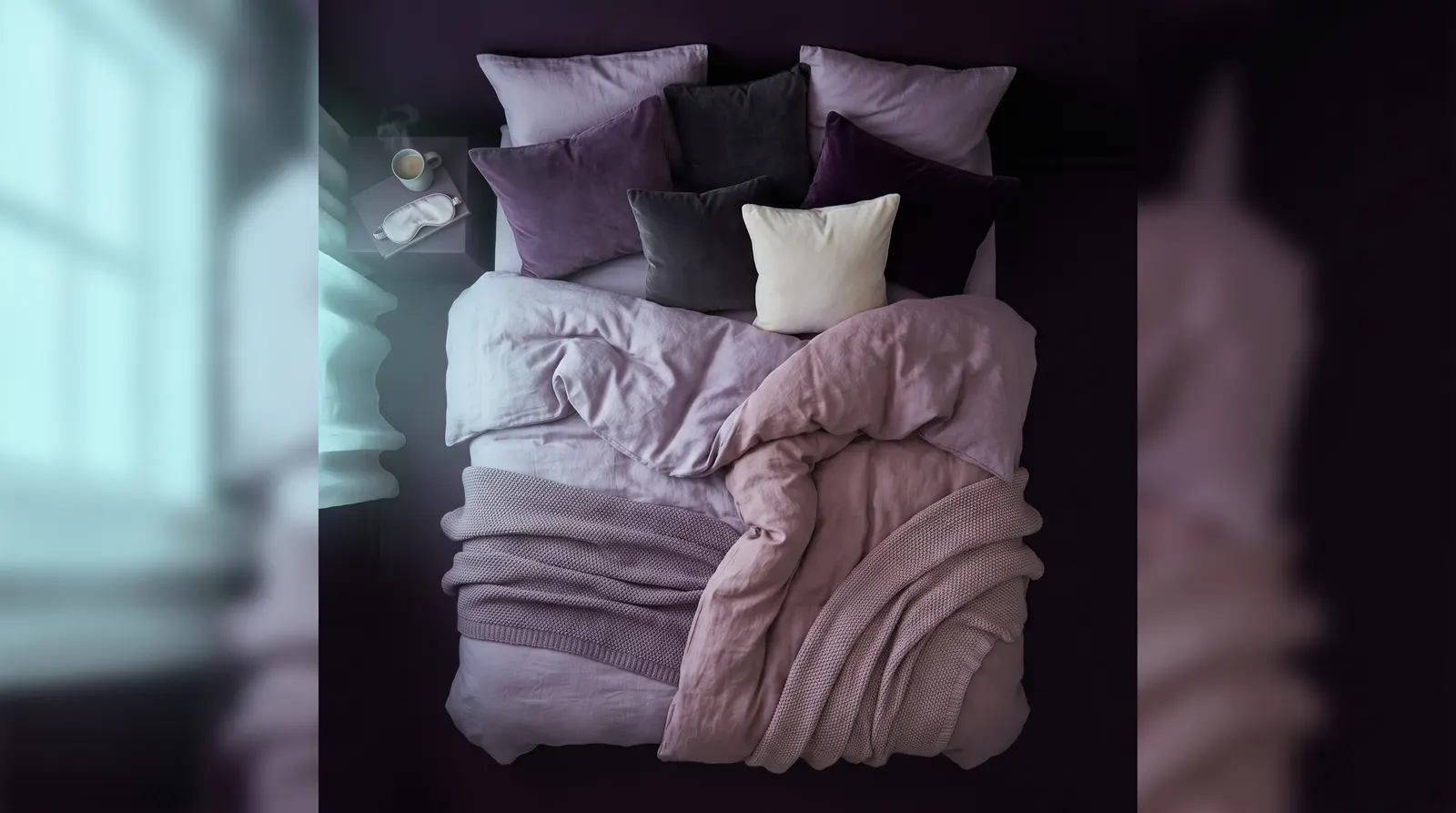
Every few months an article goes around announcing the best sleeping position, the way magazines used to announce the best diet. Side sleepers are winning. No wait, back sleepers. Stomach sleepers, please report to the principal's office. I read these on the subway like everyone else, then go home and sleep exactly the way I've slept since the Clinton administration: starting on my left side, ending in a position best described as crime scene. So let's do this properly. What does the evidence actually say about sleep positions, and how much should you care? Short version: the differences are real but smaller than the headlines, and there's one group of people who should genuinely pay attention.
First, the boring truth nobody clicks on
The best sleeping position is overwhelmingly the one you actually fall asleep in. Sleep quality lives and dies on how quickly you drift off and how consolidated the night is, and forcing an unnatural posture wrecks both. You also don't hold one position anyway. Most adults shift dozens of times a night without knowing it. Your body handles position changes the way it handles blinking: automatically, and better without supervision. So everything below is about your starting position and your tendencies, not about achieving some perfect frozen posture like a knight on a tomb.
The case for your side
If the positions were contestants, side sleeping would win on points. It's the most popular position for a reason. Airway first: on your side, gravity isn't dragging your tongue and soft palate toward the back of your throat, so snoring tends to quiet down. People who snore mostly on their back are a well-known category in sleep medicine, and the classic home remedy, sewing a tennis ball into the back of the pajamas, exists purely to keep them off it. Reflux second: left side specifically. Thanks to the stomach's asymmetric shape, lying on your left keeps acid pooled lower and away from the door. If you get heartburn at night, this one change is cheap and often noticeable.
Then there's the finding everyone loves to quote at parties. A 2015 study in the Journal of Neuroscience found that the brain's waste-clearance system, the glymphatic system that flushes metabolic debris during sleep, worked most efficiently in the side position (Lee et al., 2015). Fantastic headline. One catch: the study was done in rodents. Rats are not tiny New Yorkers, whatever the subway suggests. It's a genuinely interesting result and a plausible bonus for side sleeping, but nobody has proven it in humans, so file it under promising, not proven.
The best sleeping position is overwhelmingly the one you actually fall asleep in. Everything else is tuning.
The case for your back, with an asterisk the size of a billboard
Back sleeping distributes weight evenly, keeps the spine in a fairly neutral line if your pillow isn't a skyscraper, and doesn't smash your face into fabric for eight hours, which is why dermatologists speak kindly of it. If you have certain kinds of shoulder or hip pain, it can be the most comfortable option on the menu. The asterisk: it's the worst position for snoring and sleep apnea. On your back, soft tissue relaxes straight down into the airway. If you snore loudly, gasp awake, or your partner reports that you stop breathing and then restart with a snort, back sleeping is making it worse, and honestly the position debate is beside the point: that pattern is worth raising with a professional.
The case for your stomach, briefly, because there barely is one
Stomach sleeping does suppress snoring, credit where due. The cost is your neck, which spends the night cranked ninety degrees like you're checking a blind spot, and your lower back, which sags into the mattress. Chronic stomach sleepers with neck and back complaints are a cliché in physical therapy for a reason. If it's the only way you sleep, the harm-reduction move is a thin pillow or none, and a pillow under the hips to flatten the sag. But nobody who sleeps fine some other way should take up stomach sleeping, the way nobody should take up smoking for the ritual.
Tuning whatever you've already got
Wherever you land, the pillow does more work than the position debate admits. Side sleepers want a pillow thick enough to fill the gap between ear and mattress so the neck stays level, plus the underrated knee pillow, which stops the top leg from twisting the spine. Back sleepers want a low pillow and, if the lower back complains, one under the knees. Stomach sleepers, see above, and my condolences. That's it. That's the whole industry, minus the marketing.
When to care, and when to let it go
Care if you snore heavily, if reflux wakes you, if you're pregnant, where side sleeping is the standard recommendation, or if you wake up most mornings with a stiff neck or numb arm that tracks with how you slept. Those are real, fixable, position-shaped problems. Everyone else: you have my permission to stop optimizing. Position anxiety is a genuinely modern way to lose sleep, lying rigid on your back at 1 a.m. because a headline said champions sleep supine. Your ancestors slept in piles on straw. They did not have a pillow strategy.
Get into whatever shape your body calls home, then spend your effort on the thing that actually decides the night: the descent. Lights low, screens off, and something slow for your mind to hold onto. I put Feelsy on autoplay some nights, soft textures drifting by with quiet sound, no plot, no feed, and let my eyes close mid-drift. Starting position: left side. Ending position: unknowable. Quality of sleep: none of the headline's business.
Feelsy is a wellness product, not medical advice. If stress, anxiety or sleep problems persist, please speak with a qualified professional.
References
- Lee, H., Xie, L., Yu, M., et al. (2015). The effect of body posture on brain glymphatic transport. Journal of Neuroscience, 35(31), 11034–11044.
Frequently Asked Questions
What is the healthiest sleeping position?
For most people, side sleeping wins on points: it reduces snoring by keeping the airway clearer, and the left side in particular helps with nighttime reflux. But the differences between positions are smaller than headlines suggest, and the best position is ultimately the one you fall asleep in fastest and stay asleep in.
Is sleeping on your left side better than your right?
For reflux, yes. Because of the stomach's asymmetric shape, lying on your left side keeps acid pooled lower and away from the esophagus, so heartburn-prone sleepers often notice a difference from this one change. If reflux isn't your problem, either side is fine.
Is sleeping on your back bad?
Back sleeping keeps the spine fairly neutral and avoids pressing your face into a pillow, but it's the worst position for snoring and sleep apnea, since relaxed soft tissue falls straight into the airway. If you snore loudly or gasp awake at night, avoid your back and consider mentioning the pattern to a professional.
Is stomach sleeping really that bad?
It suppresses snoring, but it twists the neck sideways for hours and lets the lower back sag, which is why chronic stomach sleepers so often have neck and back complaints. If it's the only way you sleep, use a very thin pillow or none, and put a pillow under your hips to reduce the sag.
Does sleeping position affect how the brain clears waste?
A 2015 rodent study found the brain's glymphatic waste-clearance system worked most efficiently in the side position. It's a plausible bonus for side sleeping, but it hasn't been proven in humans, so treat it as promising rather than settled.

About the author
Contributing writer
Kurt is a New York based writer covering the practical science of stress, sleep and focus. He is the resident sceptic of the Journal: if a technique cannot survive a crowded subway commute and a deadline week, he is not interested in it.
Feel it for yourself.
Feelsy turns reading about calm into practising it. Two minutes of a slow texture is often the whole difference.


Related reading
 Sleep
SleepThe Best Temperature for Sleep (and Why Your Bedroom Runs Hot)
What's the best temperature for sleep? Why cooler rooms help you fall asleep faster, what the research says about heat, and how to fix a hot bedroom.
 Sleep
SleepDo Weighted Blankets Actually Work? What the Research Says
Weighted blankets promise calmer nights through deep pressure. Here's what the best clinical trial actually found, who benefits most, and how to pick one.
 Sleep
SleepHow to Fall Asleep Faster: Sound, Light and Ritual
Falling asleep is a skill, not a stroke of luck. Here is how sound, light and a 15-minute ritual can quiet a racing mind and shorten the trip to sleep.
 SleepNew
Night Owl vs Early Bird: The Science of Chronotypes
Night owl or early bird isn't a personality flaw or a virtue. It's a chronotype. Here's what the science says about your body clock and how to work with it.
 SleepNew
How to Wake Up Early (Without Hating Your Life)
Want to become a morning person? Here's how to wake up early using light, timing and consistency, based on what circadian science actually shows.
 Sleep
SleepCan't Sleep? Why Getting Out of Bed Is the Counterintuitive Fix
Lying awake trying harder is the one thing that makes insomnia worse. Here's the 20-minute rule, the science of stimulus control, and how to use it.