Sisu: The Finnish Art of Quiet Endurance
What sisu means in Finnish culture, how it differs from grit and resilience, and how to borrow its quiet endurance for ordinary hard days and long winters.
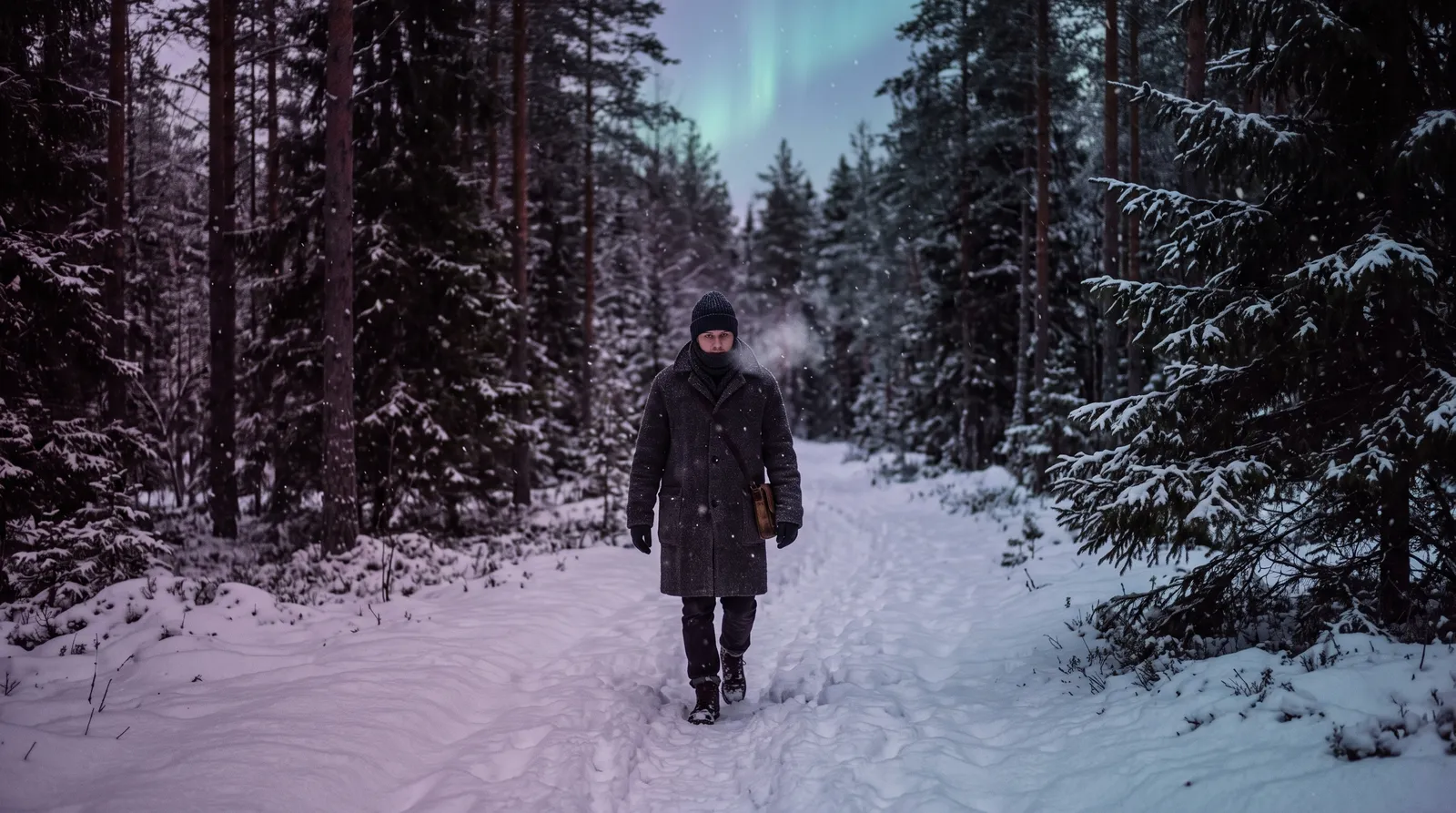
The Nordic countries have been generous lately with their untranslatable words. Denmark gave us hygge and taught the world to light candles; Sweden offered lagom, the art of just enough, and fika, the properly defended coffee break. Finland's contribution is different in kind. Sisu is not cosy. It does not involve cinnamon buns, woollen socks or the soft glow of anything. It is the quality a Finn reaches for when the bus has not come, the temperature has fallen past the point of conversation, and the walk home simply has to be walked. The nearest English renderings, guts, grit, perseverance, stoic determination, all circle it without landing, because sisu is less a feeling than a discovery: the discovery that when your strength is finished, you are not.
A word from the gut
Etymology, for once, is helpful. Sisu descends from sisus, a Finnish word meaning the interior, the insides, the guts of a thing. Courage, in this picture, is not worn on the chest like a medal; it is stored somewhere deep in the torso, like preserves in a cellar, and drawn upon when the surface reserves are gone. The word is centuries old, but it entered the world's vocabulary largely through the Winter War of 1939 to 1940, when Finland's improbable resistance against a vastly larger invading force left foreign correspondents groping for an explanation and settling, as the Finns themselves did, on sisu. The heroic register can mislead, though. In daily Finnish use, sisu is invoked for decidedly unheroic occasions: the last kilometre of a run, the exam term that must be survived, the February that will not end. It is the national word for continuing.
What distinguishes sisu from its English cousins is where it begins. Grit, in the influential formulation of the psychologist Angela Duckworth, is long-haul machinery: passion and perseverance sustained over years in pursuit of a distant goal. Sisu is not a career strategy. It is a burst, summoned at the precise moment when you believe your capacity has run out. The researcher Emilia Lahti, who has done the most to bring the concept into psychology, describes it as embodied fortitude: a latent reserve of power that appears when the perceived limit has been reached, less like a personality trait and more like a second tank one did not know the vehicle had (Lahti, 2019, International Journal of Wellbeing). The distinction matters practically. You cannot schedule grit for Tuesday, but sisu's entire jurisdiction is Tuesday: the point in any hard passage where the story you tell about your own limits gets tested against the fact of the next step.
Sisu begins where your inventory of strength runs out: it is the discovery that the shelf was mislabelled, and there was more in the back room.
The quiet part
The temptation, importing such a word, is to make it loud: to turn sisu into a poster with a mountain on it. The Finnish original is conspicuously unglamorous. Sisu does not announce itself, does not narrate its own performance, and is faintly embarrassed by applause. It is the neighbour who shovels the whole street's snow before breakfast and mentions it to no one. This quietness is not incidental; it is load-bearing. Endurance that performs itself spends half its energy on the performance. Endurance that has stopped performing can put everything into the next step, which is the only step that ever needs taking. There is a reason the cultures of the far north pair their fortitude with understatement: in a long winter, drama is a luxury and pacing is survival.
Lahti's research is also careful to name the shadow, and the Finns name it too. Sisu can curdle. The same reserve that carries a person through a crisis can keep them silently overworking long past the point where asking for help would be the wiser strength, and Finnish researchers speak frankly of harmful sisu, the stubbornness that mistakes suffering for virtue. The tradition, read whole, is not an instruction to endure everything. It is an instruction to know the difference between the hard passage that must be walked and the harmful one that must be renegotiated, and to save the cellar reserves for the former.
Borrowing sisu without the winter
How does one practise a word? With sisu, the answer seems to be: mostly with the body, and mostly by shrinking the horizon. The Finnish habits that surround the concept, winter swimming, long walks in indifferent weather, saunas followed by snow, all share a structure: a voluntary, bounded difficulty, entered calmly and finished. Each one is a small rehearsal for the involuntary difficulties, teaching the nervous system that discomfort has edges and that you have crossed such territory before. You do not need an ice hole to run the rehearsal. A walk taken in weather you would normally refuse, a hard task begun for just ten minutes, a hill not avoided: the curriculum is everywhere and costs nothing.
The other half of the practice is recovery, which the heroic reading of sisu always forgets. Reserves that are drawn upon must be refilled, and the same northern cultures that prize endurance are strict about rest: the sauna, the silence, the early nights. On the days when I have had to walk my own long kilometre, I have learnt to treat the pause afterwards as part of the endurance rather than a defection from it: ten minutes with the lamps low and something slow to watch, one of Feelsy's drifting textures or the 4-7-8 breathing exercise, four counts in, seven held, eight out, until the body agrees the effort is over. This is not mysticism, merely maintenance. The cellar refills in the quiet.
Sisu will not make hardship pleasant, and it does not promise triumph; the Finns, of all people, would find such a promise ridiculous. What it offers is smaller and more useful: the well-tested news that the moment of feeling finished and the moment of being finished are rarely the same moment, and that between them there is room for one more step. Most winters, of whatever kind, are crossed exactly that way.
Feelsy is a wellness product, not medical advice. If stress, anxiety or sleep problems persist, please speak with a qualified professional.
References
- Lahti, E. (2019). Embodied fortitude: An introduction to the Finnish construct of sisu. International Journal of Wellbeing, 9(1).
Frequently Asked Questions
What does sisu mean in Finnish?
Sisu descends from sisus, meaning the interior or guts of a thing, and names a distinctly Finnish form of quiet endurance: the capacity to keep going when your strength feels finished. English words like grit, guts and perseverance circle it without quite landing, because sisu is summoned at the moment perceived capacity runs out.
What is the difference between sisu and grit?
Grit, as psychologists describe it, is long-haul machinery: passion and perseverance sustained over years towards a distant goal. Sisu is a burst rather than a strategy, appearing at the precise moment you believe your capacity has run out. Researcher Emilia Lahti calls it embodied fortitude, a latent reserve of power beyond one's preconceived limits.
Can sisu be unhealthy?
Yes, and Finnish researchers name this frankly as harmful sisu. The same reserve that carries a person through a crisis can keep them silently overworking past the point where asking for help would be the wiser strength. Read whole, the tradition is not an instruction to endure everything but to know which hard passages must be walked and which must be renegotiated.
How can I practise sisu in everyday life?
Mostly with the body, and mostly by shrinking the horizon. Voluntary, bounded difficulties entered calmly and finished, a walk in weather you would normally refuse, ten committed minutes on a hard task, teach the nervous system that discomfort has edges. Recovery is the other half: reserves that are drawn upon must be refilled through rest and quiet.

About the author
Contributing writer
Eleonor writes about contemplative traditions, attention and the cultural history of calm. She has spent two decades collecting the rituals humans use to slow down, from zazen halls to hammams, and translating them for modern, screen-lit lives.
Feel it for yourself.
Feelsy turns reading about calm into practising it. Two minutes of a slow texture is often the whole difference.


Related reading
 Breath & Body
Löyly: What Finnish Sauna Culture Knows About Rest
Why the Finnish sauna is a ritual of rest rather than a biohack: löyly, silence and the cooling-off, what long-term research found, and how to borrow it.
 Ancient Wisdom
Friluftsliv: The Norwegian Art of Open-Air Living
Friluftsliv, Norway's beloved idea of open-air life, treats time outdoors as a need rather than a hobby. What it means, and how to practise it anywhere.
 Breath & Body
Uitwaaien: The Dutch Art of Walking in the Wind to Clear Your Head
Uitwaaien is the Dutch practice of walking in the wind to blow the cobwebs out. Here is what the word means, why it works, and how to take a proper wind walk.
 Ancient WisdomNew
Ho'oponopono: The Hawaiian Practice of Setting Things Right
What ho'oponopono means, where the Hawaiian practice of reconciliation comes from, the four phrases, and how to fold forgiveness into a quiet evening.
 Ancient WisdomNew
Sobremesa: The Spanish Art of Lingering at the Table
What sobremesa means, why Spaniards stay talking at the table long after a meal ends, and how this unhurried ritual can slow down an anxious day.
 Ancient Wisdom
Lectio Divina: The Ancient Art of Reading Slowly
What lectio divina is, where the monastic practice of sacred slow reading comes from, its four classic steps, and how to adapt it to any book you love.